Flood Damage & Plumbing: What Harvey Taught Bellaire About Insurance Claims
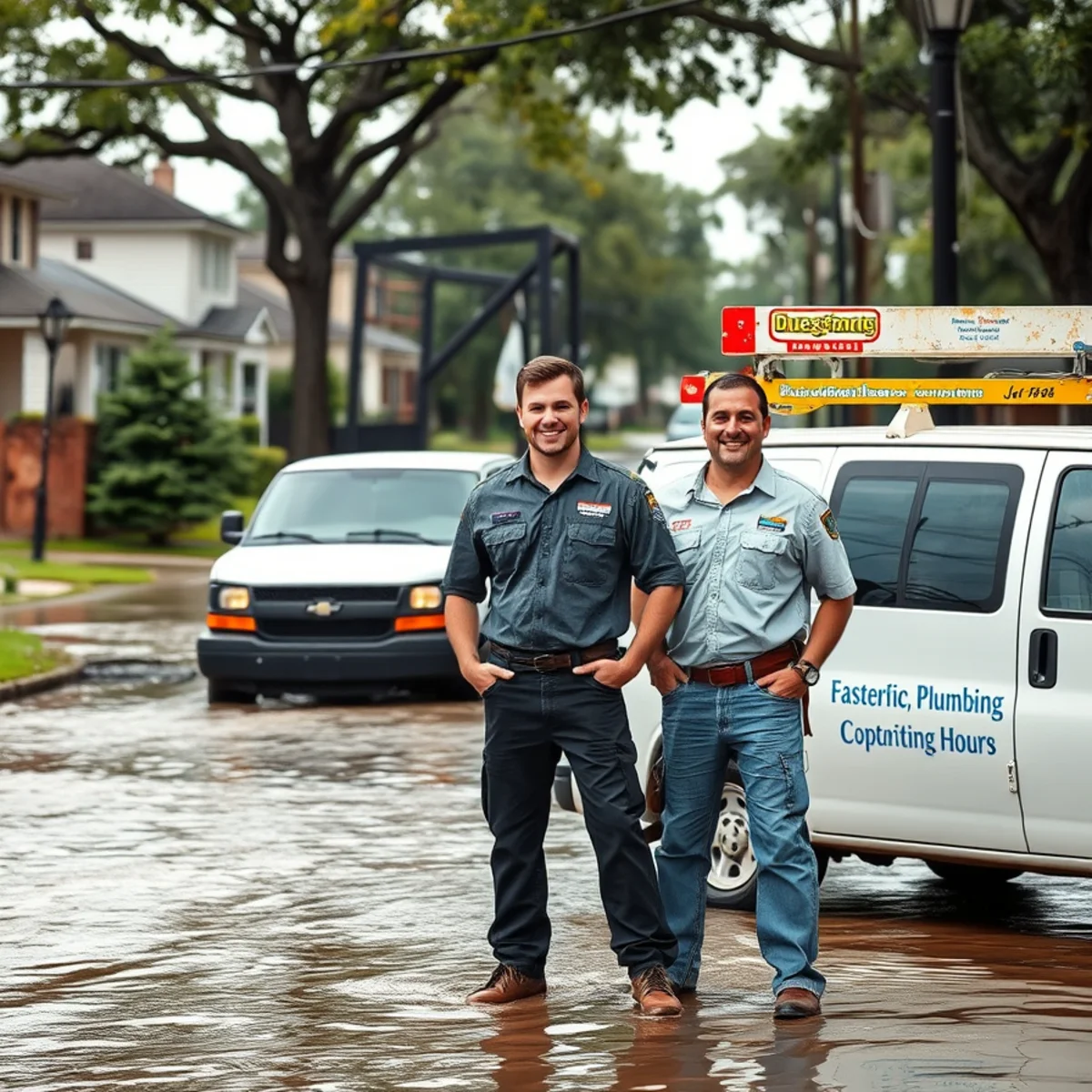
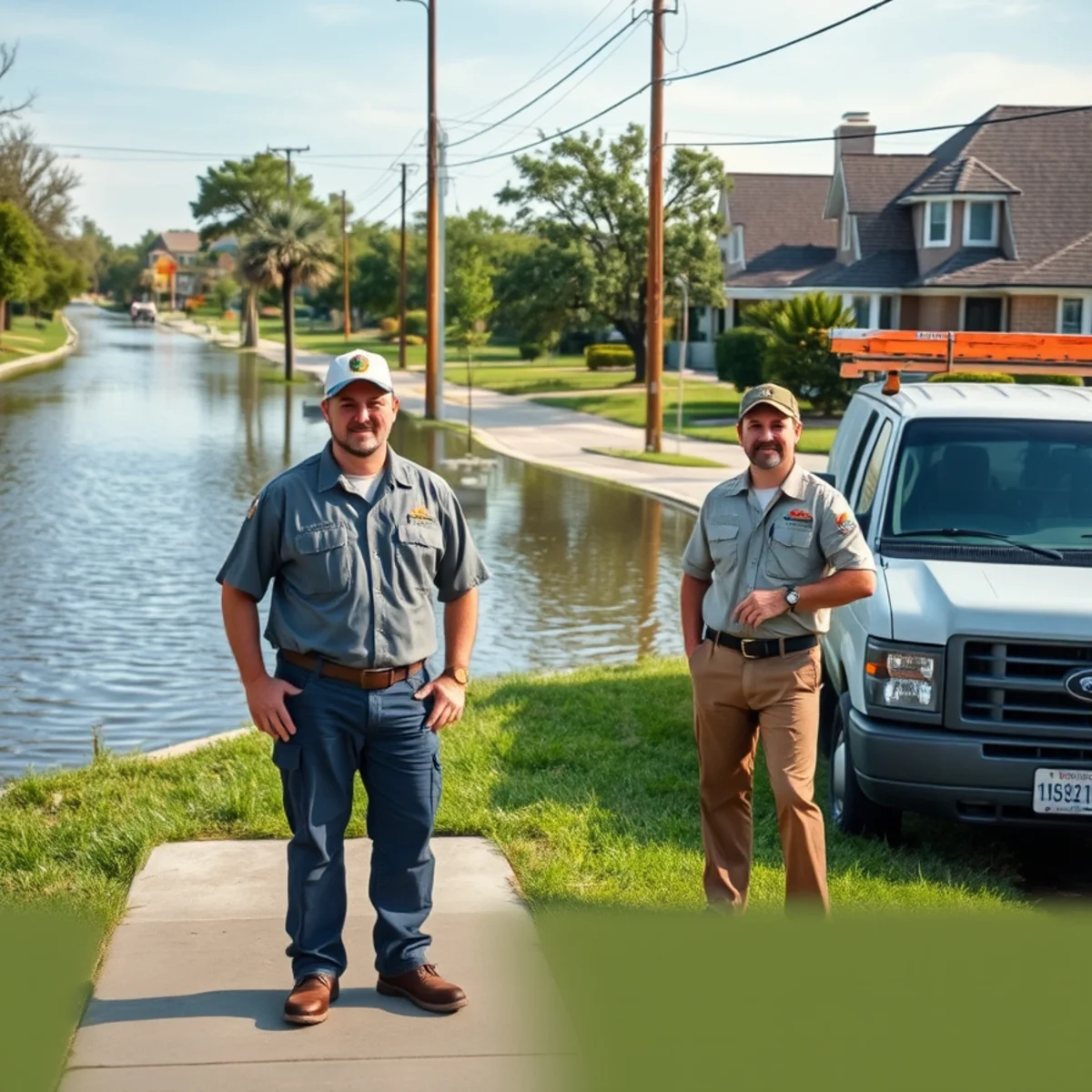
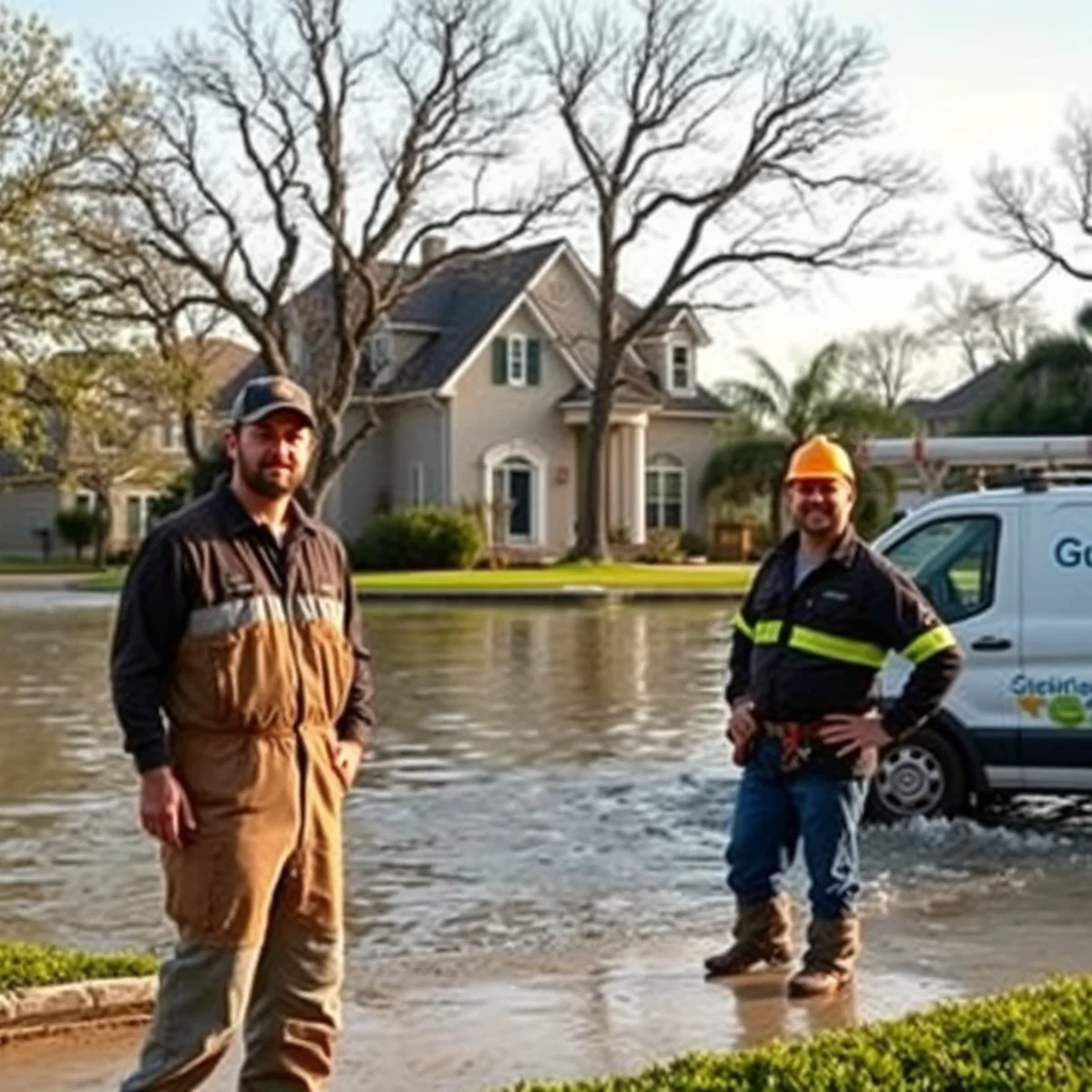
Hurricane Harvey put an estimated 1,900 to 2,300 Bellaire homes underwater in August 2017, and Brays Bayou carried much of that damage into neighborhoods that had never flooded before. For homeowners along the bayou — Bellaire itself and neighboring Meyerland especially hard-hit — the plumbing damage that followed came with a hard insurance lesson that a lot of people learned only after filing a claim: a standard homeowners policy is generally not the policy that pays for floodwater.
Eight years later, that lesson still matters, because the setup hasn't changed. Here's what Harvey taught Bellaire homeowners about flood insurance and plumbing damage, and what to have in place before the next major rain event, not during it.
Flood Policy vs. Homeowners Policy: The Distinction That Matters Most
This is the single biggest point of confusion, and it caught many Bellaire homeowners off guard during Harvey. A standard homeowners policy typically covers sudden water damage from sources like a burst pipe inside the home. It generally does not cover floodwater entering from outside — a rising bayou, overland flow, or storm surge — regardless of how sudden that flooding was. Coverage for that kind of event usually requires a separate flood policy, most commonly through the National Flood Insurance Program (NFIP) or a private flood carrier. If you don't know which type of policy you have, or whether you have flood coverage at all, that's worth confirming with your agent now rather than during the next storm watch.
What Floodwater Does to Home Plumbing Specifically
Floodwater doesn't just soak drywall and carpet — it affects plumbing systems in ways that aren't always obvious right away. A gas water heater with its pilot light, controls, and burner near floor level can take in contaminated water and needs a safety inspection before anyone relights it. Sewer systems can back up into homes during a flood event as the municipal system surcharges, which is part of why backwater valves are worth asking about for flood-prone properties. Sediment carried in floodwater can also work into supply lines and fixtures, showing up as cloudy or gritty water well after the visible flooding is gone.
Documenting Plumbing Damage for a Claim
Photograph and video everything before cleanup begins, including model and serial plates on the water heater and any visible pipe damage. Where possible, hold onto damaged fixtures and appliances until an adjuster has inspected them, or at minimum photograph them thoroughly from multiple angles. Get a plumber's written safety assessment, especially for any gas appliance that touched floodwater. Keep every receipt for emergency mitigation work — a claim moves faster when the paper trail is already organized instead of reconstructed from memory months later.
Mold that develops around plumbing fixtures after a flood is often treated as its own, more restrictive coverage category than the water damage itself, separate from both your homeowners and flood policies. Document any visible mold near a water heater, under a sink, or along a baseboard early, and ask your agent directly how your specific policy treats mold remediation tied to a flood event rather than assuming it's bundled with the rest of the claim.
- Shut off electricity and gas to any water heater or appliance that was submerged.
- Do not relight or restart flood-exposed gas equipment until it's been inspected.
- Photograph the water heater, visible pipe damage, and all affected areas before cleanup.
- Contact a plumber for a safety inspection before restoring water or gas service.
- Contact your flood policy carrier separately from your homeowners carrier — they're often different companies.
- Keep all receipts for emergency mitigation and temporary repairs.
Expert tip: Ask about a backwater valve if you're in a flood-prone part of Bellaire. It's a one-time plumbing upgrade that helps keep municipal sewer surcharge from backing up into your home during the next major rain event.
What Flood-Damaged Plumbing Actually Costs to Put Right
Flood insurance conversations tend to focus on the policy question and skip past the number that follows it: what does the plumbing repair itself cost once coverage is sorted out? A water heater that sat in floodwater almost always needs full replacement rather than repair, once contamination and corrosion are factored in — typically $1,200 to $2,500 installed for a standard tank. A home where floodwater pushed sediment deep into the supply lines, or where a slab-level system took on water and needs a fresh start, can be looking at a full repipe, generally $4,000 to $10,000 depending on size. Sewer backup cleanup and any resulting line repair adds its own cost on top, and varies too widely by damage extent to put a single number on it.
None of that is meant to be discouraging — it's meant to be useful. Knowing the plumbing-specific cost range, separate from the drywall and flooring numbers a general contractor quotes, helps you understand what portion of your claim — flood, homeowners, or out of pocket — needs to cover which piece.
Timing matters here too. Plumbing repairs generally can't start until the structure has genuinely dried out — running new supply lines or resetting a water heater in a still-wet wall cavity just invites mold and corrosion problems later. That drying window is often the slowest part of the whole recovery, and it's worth factoring into your expectations before you schedule any plumbing work, not just the demolition and cleanup crews.
What We Check That's Easy to Miss After the Water's Gone
Visible damage gets fixed first. A few plumbing issues take longer to show up, and they're the ones we specifically check for on any post-flood inspection in Bellaire or West University Place. If your sewer is actively surcharging and backing up while cleanup is still underway, that's sewer backup emergency territory — stop using water in the house and call rather than waiting it out.
- Sediment inside faucet aerators and cartridges, which shows up as reduced flow weeks later.
- Water heater anode rods and elements, especially on gas units that sat partially submerged.
- Backflow preventers on irrigation systems, which can stick or fail after being underwater.
- P-traps and cleanouts in crawlspaces on pier-and-beam homes, where silt settles and stays.
- Any gas appliance connection that touched floodwater, checked before it's ever relit.
Expert tip: Even if your plumbing looks fine after a flood, a full fixture-by-fixture check catches the slow problems before they become the next service call. It's worth doing once, even weeks after the water recedes.
The Bigger Picture: Project Brays
Harris County Flood Control District's Project Brays, a roughly $480 million effort to widen and deepen Brays Bayou, has been underway for years specifically because of repeat flooding like Harvey, 2015's Memorial Day flood, and 2016's Tax Day flood. It's meaningfully reducing flood risk along the corridor, but it's a bayou-wide project on a long timeline, not a guarantee for any individual home. Protecting your own plumbing — backwater valves, elevated equipment where possible, and the right insurance in place before the season starts — still matters regardless of how the larger project progresses. We provide flood damage plumbing response and prevention work across Bellaire and Meyerland, where Brays Bayou flood history is well known to every homeowner on the street.
Frequently Asked Questions
Does my homeowners insurance cover flood damage to my plumbing?
Do I need a separate flood insurance policy if I live in Bellaire?
Is a water heater safe to use after floodwater exposure?
Can a backwater valve prevent future flood damage?
Does flood insurance cover plumbing repairs specifically, or just structural damage?
Written by the Plumber Bellaire TX team
Licensed Texas master plumbers based on Newcastle Street in Bellaire. We’ve spent years working the slab leaks, repipes, and sewer lines this article covers — right here in the City of Homes.
(614) 830-0578