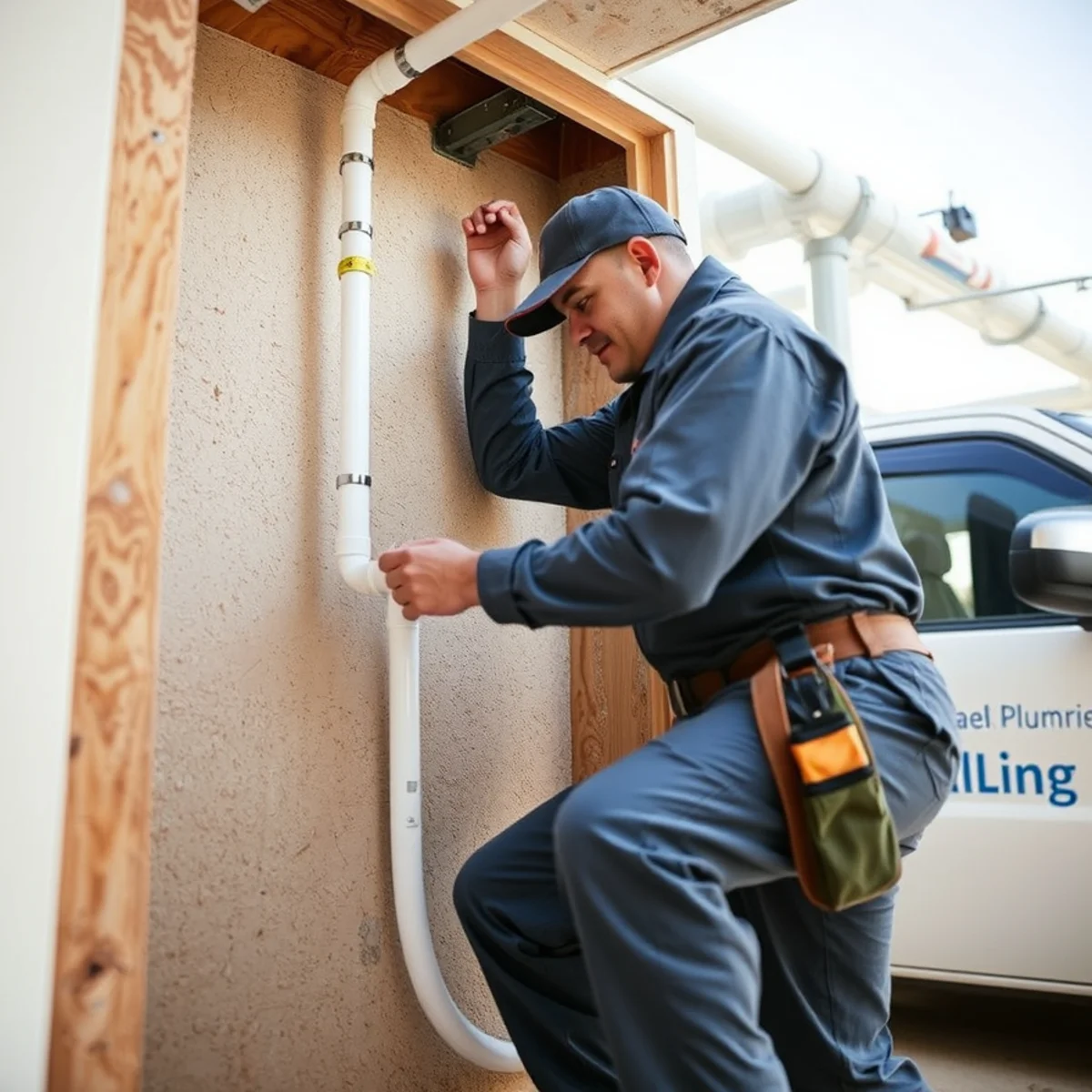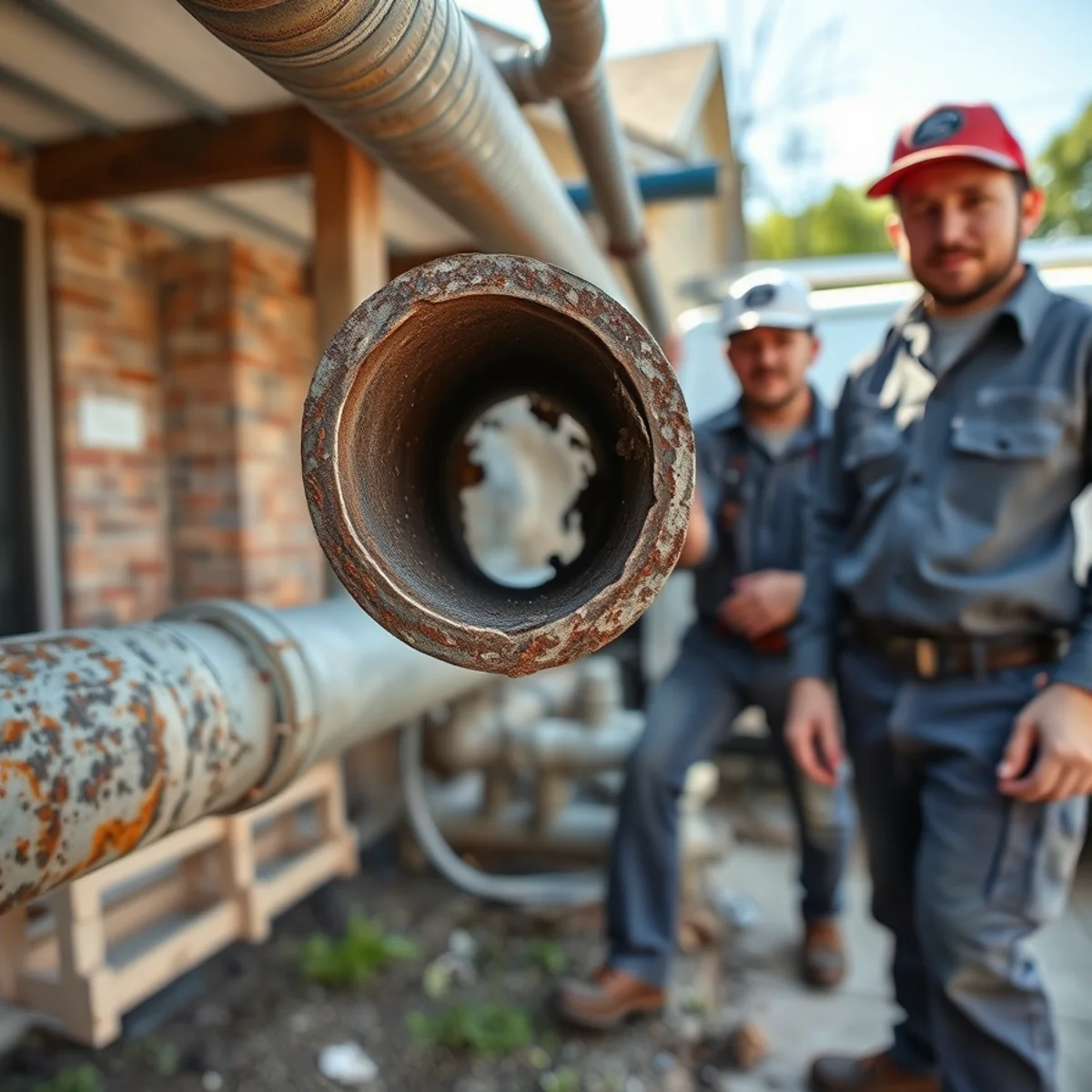
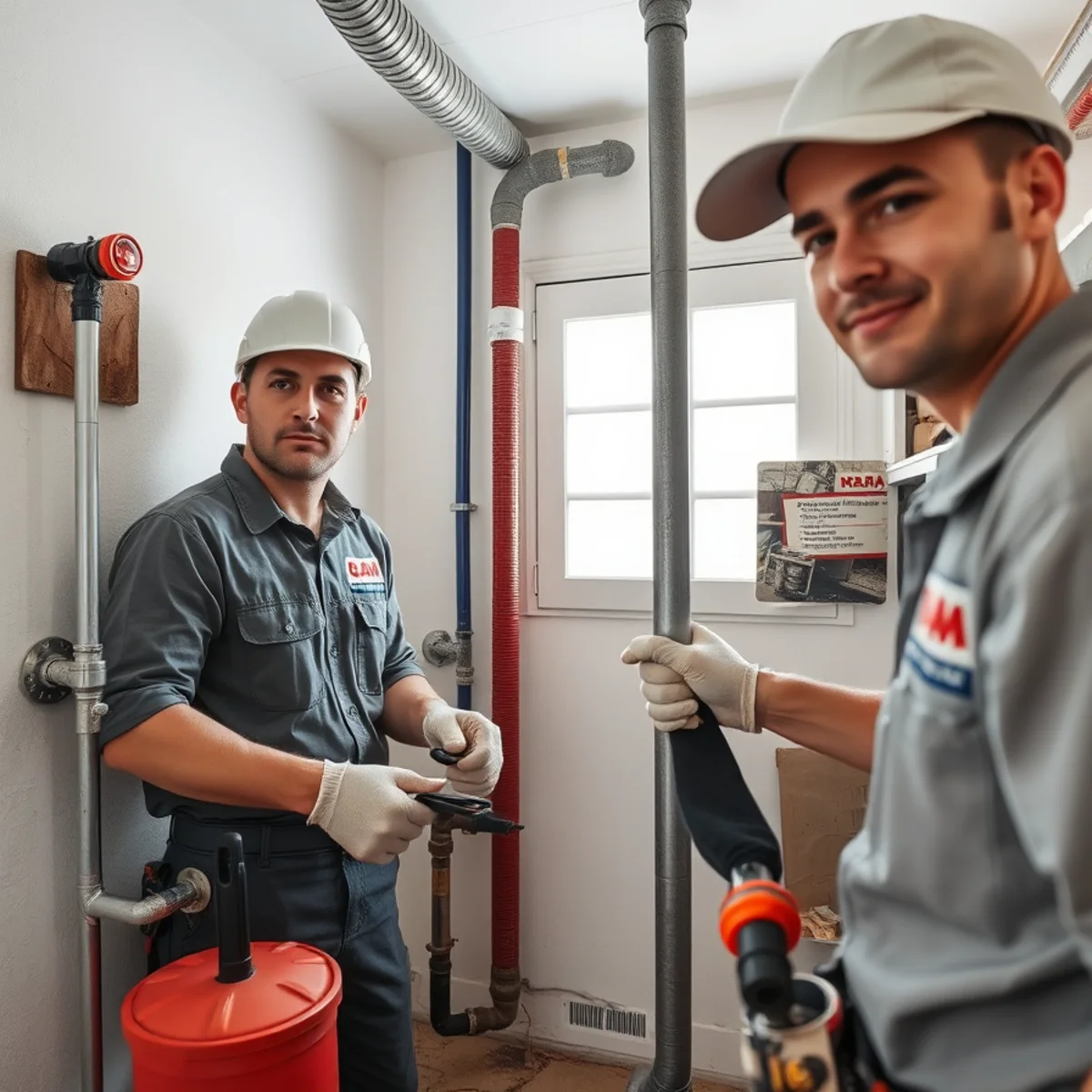
Not all PEX is the same pipe. PEX-A, the flexible cold-expansion tubing sold under the Uponor and Wirsbo names, is joined by expansion rings rather than crimp rings, and it is the version we install when a Bellaire home needs its galvanized or aging copper replaced.
For Bellaire, flexibility is the point. Our clay soil swells and shrinks with every wet-dry cycle, and that movement works on rigid joints for decades. PEX-A bends with it. It cannot rust, pit, or scale from the inside, it needs far fewer fittings than copper, and it goes in faster, which is why a PEX-A repipe usually costs less. Qualifying installs also carry a lifetime-warranty option.
This page is about PEX-A specifically: how it differs from other PEX, why we favor it, where copper still wins, and which of the common myths deserve a straight answer. Call us for a repipe assessment and a written PEX-A estimate.
Signs a PEX-A Repipe Fits Your Home
Any failing supply line justifies a repipe, and these are the situations where flexible, corrosion-proof tubing is usually the right answer:
- Rusty water and low pressure from original galvanized lines that have narrowed from the inside
- Pinhole leaks in aging copper that keep turning up in new places, which points at the water rather than one bad joint
- Leaks or stains where lines rise through the slab or run up exterior walls, where soil movement works hardest on rigid pipe
- Pipes that split in a hard freeze like Winter Storm Uri in 2021
- Plaster or finished walls and ceilings you would rather not open any more than necessary
- A whole-house repipe on a budget where copper pricing would stretch it too far
What Our PEX-A Repiping Service Includes
A PEX-A repipe touches every fixture in the house, so the scope is spelled out before we start:
- Inspection of your existing pipe and a written estimate that names PEX-A, the layout, and the line size for each run
- PEX-A supply lines throughout the home, joined with expansion-ring fittings and no glue, flame, or O-rings
- A labeled manifold with individual fixture shutoffs when your layout calls for a home-run system
- Copper or approved metal transitions at the water heater and at any exposed stub
- Routing that keeps tubing out of direct sunlight and away from uninsulated exterior-wall cavities
- New shutoff valves and angle stops at every fixture connection
- A pressure test of the complete system before any wall closes, then a flush of every line
- City of Bellaire permit and inspection scheduling, plus drywall patching and paint at every access point
How We Install a PEX-A Repipe
Flexible tubing changes the job: fewer wall openings, fewer fittings, and a layout decision to make before the first cut:
- 1
Choose the layout
We decide between a home-run manifold and trunk-and-branch routing for your floor plan, size the line for each run, and write the plan into your estimate.
- 2
Fish the tubing through attic and walls
PEX-A pulls through framing in long continuous lengths and bends around corners, so we open far fewer walls than a rigid-pipe job and skip a fitting at every turn.
- 3
Expand, connect, and test
Each joint is made by expanding the tube end, sliding it over the fitting, and letting the tubing’s shape memory shrink it tight, with no glue, flame, or O-rings. The finished system is pressure-tested before any wall closes.
- 4
Permit, flush, and patch
The City of Bellaire permit inspection follows, then a full flush of every new line and drywall patching and paint at each access point.
PEX-A vs. PEX-B: What the Letter Means
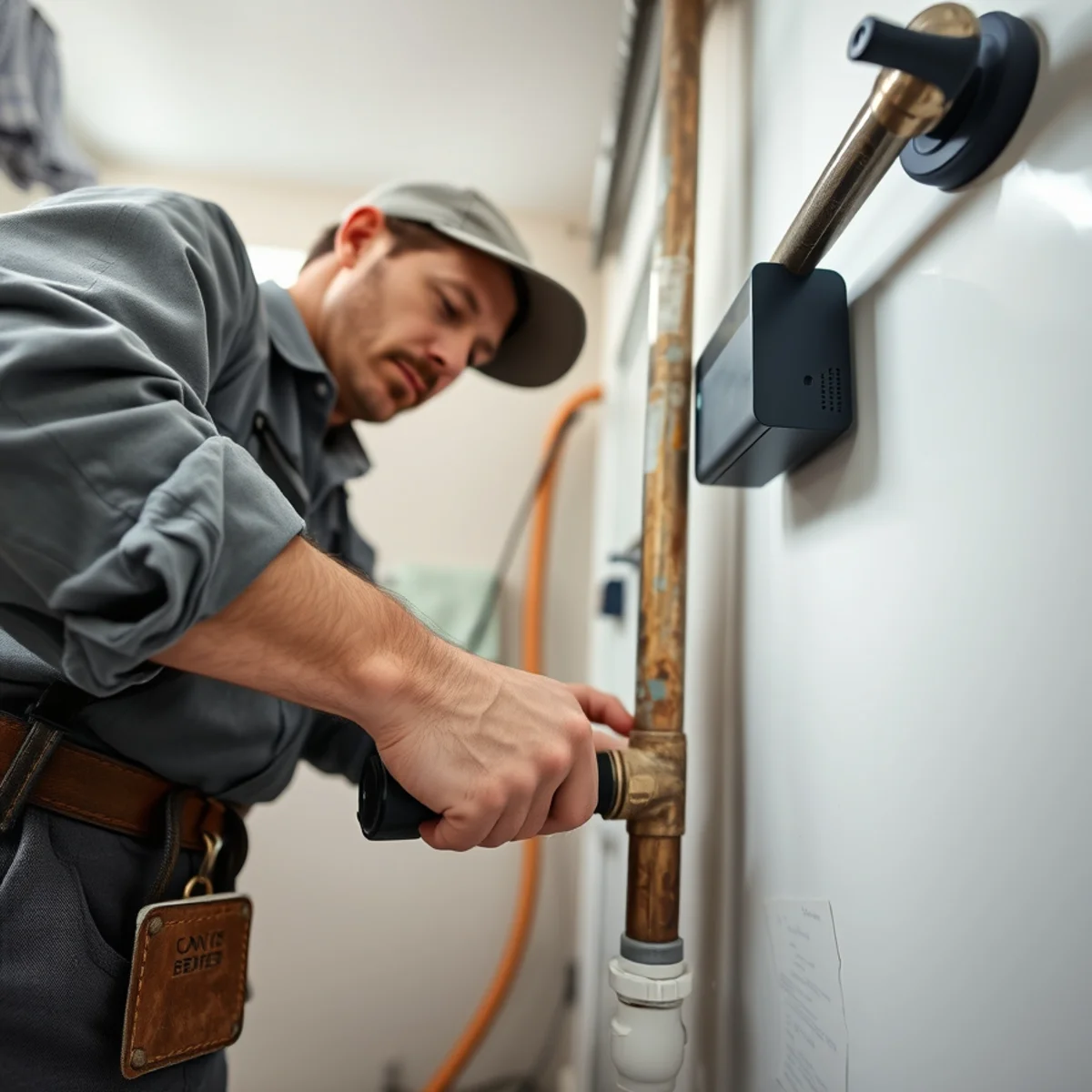
The letter names how the polyethylene is cross-linked, not a quality grade, but the difference shows up in the field. PEX-A is the most flexible and has shape memory: stretch it or warm it and it wants to return to its original size. Expansion systems such as Uponor’s use that property to join the pipe. The tube end is stretched, a fitting slides in, and the tubing shrinks back around it, so the pipe itself holds the seal with no O-rings, glue, or flame in the joint.
PEX-B is stiffer and usually cheaper, and it connects with crimp or clamp rings over barbed insert fittings. It is a legitimate, code-approved pipe that performs well when installed carefully. PEX-A pulls ahead in the details. An expansion fitting leaves a wider bore than a barbed insert, so each connection restricts flow less. A kink in PEX-A can often be warmed back into shape with a heat gun, where PEX-B has to be cut and spliced. And because PEX-A bends more easily, long runs turn corners without elbows, which means fewer hidden fittings behind your drywall.
We favor PEX-A for repipes because the extra cost per foot of tubing comes back in labor and in fewer joints. Manufacturer warranties on PEX-A systems run long, and qualifying installs can carry a lifetime-warranty option; your estimate spells out the terms in writing.
Expert tip: Ask which PEX your bid uses and how its joints are made. "PEX" alone on an estimate can mean either type, and the answer tells you more about the install than the total price does.
Why PEX-A Fits Bellaire Homes
Start with what it cannot do. PEX-A does not corrode, so the water chemistry that pits copper and rusts galvanized has no metal to work on, and its smooth interior resists the mineral buildup that narrows old steel. In a city where 1940s through 1970s supply lines are failing from the inside, PEX pipe replacement is the cleanest fix available, because the new tube has nothing to corrode.
Then there is the soil. The black gumbo clay under Bellaire shifts foundations a little with every wet and dry spell, and rigid joints take the strain. PEX-A flexes with that movement, runs in long continuous lengths, and puts far fewer hidden joints inside your walls. Every fitting behind drywall is a future leak you cannot see, so fewer of them is a real reliability gain, not just a convenience. Where a line has already leaked under the slab, slab leak detection and repair finds the leak, and rerouting that run overhead in PEX-A usually ends the repeat-leak cycle.
Speed matters too. Flexible tubing fishes through framing and connects without soldering, so a PEX-A job usually finishes sooner than copper and opens fewer walls, which is the main reason it costs less. In the plaster walls of the oldest Bellaire homes, every opening you avoid is a patch you do not have to match.
Layout is where the design work happens. A home-run system gives every fixture its own line from a central manifold, so you can shut off one toilet without killing the shower, and a flush is far less likely to swing the shower temperature. Trunk-and-branch uses a larger line feeding smaller branches, which takes less tubing and delivers hot water faster to grouped fixtures. Many Bellaire repipes combine the two, and we pick the layout that suits your floor plan and tell you why.
Expert tip: Ask for individual, labeled shutoff valves on the manifold. When a supply line fails at 9 p.m., closing one valve beats shutting off the whole house.
PEX vs. Copper Repipe: A Fair Comparison
PEX-A wins on installed cost, install speed, flexibility, and immunity to pitting. It also tolerates a freeze better: the tubing can stretch as water expands and return to size, which rigid pipe cannot do. That makes it freeze-tolerant, not freeze-proof. Fittings and uninsulated runs in exterior walls can still fail, and if a line has already split, our freeze pipe repair page covers the emergency side.
Copper wins where the pipe is exposed or the track record matters most. It shrugs off sunlight, rodents, and impact, it sits comfortably against a water heater, and it has generations of service history that PEX-A, with decades, has not yet matched. Some buyers also still read copper as the premium material. If those points outweigh price and flexibility for you, our copper repiping page makes that case in full.
We install both, and plenty of Bellaire jobs use both: PEX-A through the walls and attic, copper where the pipe is exposed or joins the water heater. Our whole-house repiping page covers the general process. Between these two, the choice usually comes down to your budget, your walls, and what your existing pipe tells us about your water.
PEX Myths, Sorted From Fact
"It makes the water taste like plastic." New tubing can carry a faint odor for the first few days. Potable-water PEX is certified to NSF/ANSI standards 14 and 61, and we flush every new line before sign-off, which clears it. If a taste lingers, call us and we will chase it down.
"Sunlight ruins it." Partly true, which is why handling matters. Manufacturers limit how long PEX can sit in direct sun, so the tubing stays boxed and capped until it goes into framing, and it never runs bare outdoors. Exposed stubs and hose-bib connections get metal.
"It has not been around long enough." Copper has the longer record, and we say so. PEX-A has decades of service in U.S. homes and longer in Europe, and manufacturers rate it for a 50-year design life under standard residential conditions. A shorter history is a reason to insist on listed fittings and a clean install, not a reason to avoid the pipe.
"The fittings fail." A few early brass crimp fittings dezincified in aggressive water, and the reputation stuck. Today’s lead-free, dezincification-resistant brass and engineered-polymer fittings are a different product, and an expansion joint depends on the tubing itself compressing the ring.
"Rodents chew it." They will gnaw plastic if they can reach it, which is a fair reason to seal attic entry points and to use copper on exposed runs. It is not a reason to skip PEX-A inside walls, where we keep the tubing tight to the framing.
Ready for pex repiping in Bellaire?
Same-day service on most calls · 24/7 emergency line.
What Affects PEX-A Repiping Cost
A whole-home PEX-A repipe in the Bellaire area typically runs about $4,000 to $10,000, usually less than copper on the same house because the tubing goes in faster with fewer fittings. Your price depends on:
- Home size, bathroom count, and whether the house is one story or two
- Home-run manifold vs. trunk-and-branch layout, since more individual lines mean more tubing
- Slab vs. pier-and-beam foundation, and how accessible the attic and walls are
- Line sizing (upsizing old ½-inch trunks to ¾-inch for better flow adds material)
- Drywall and paint restoration (ours is included) and City of Bellaire permit costs
These are typical market ranges. We confirm your exact number in a written, itemized estimate that names the PEX type, the layout, the warranty terms, and exactly what is and is not included.
Why Bellaire Homeowners Choose Plumber Bellaire TX for PEX Repiping
PEX-A is only as good as its layout and its joints, so our licensed Bellaire master plumbers plan the manifold and the routing before the first hole is cut, and make every connection with the expansion tooling the system was designed around.
PEX Repiping Across Bellaire & the Inner Loop
We install PEX-A repipes throughout Bellaire and the neighboring clay-soil enclaves, replacing galvanized and aging copper in 1950s to 1970s slab homes where a flexible, corrosion-proof system fits best. Explore your area for local details, or call (614) 830-0578.