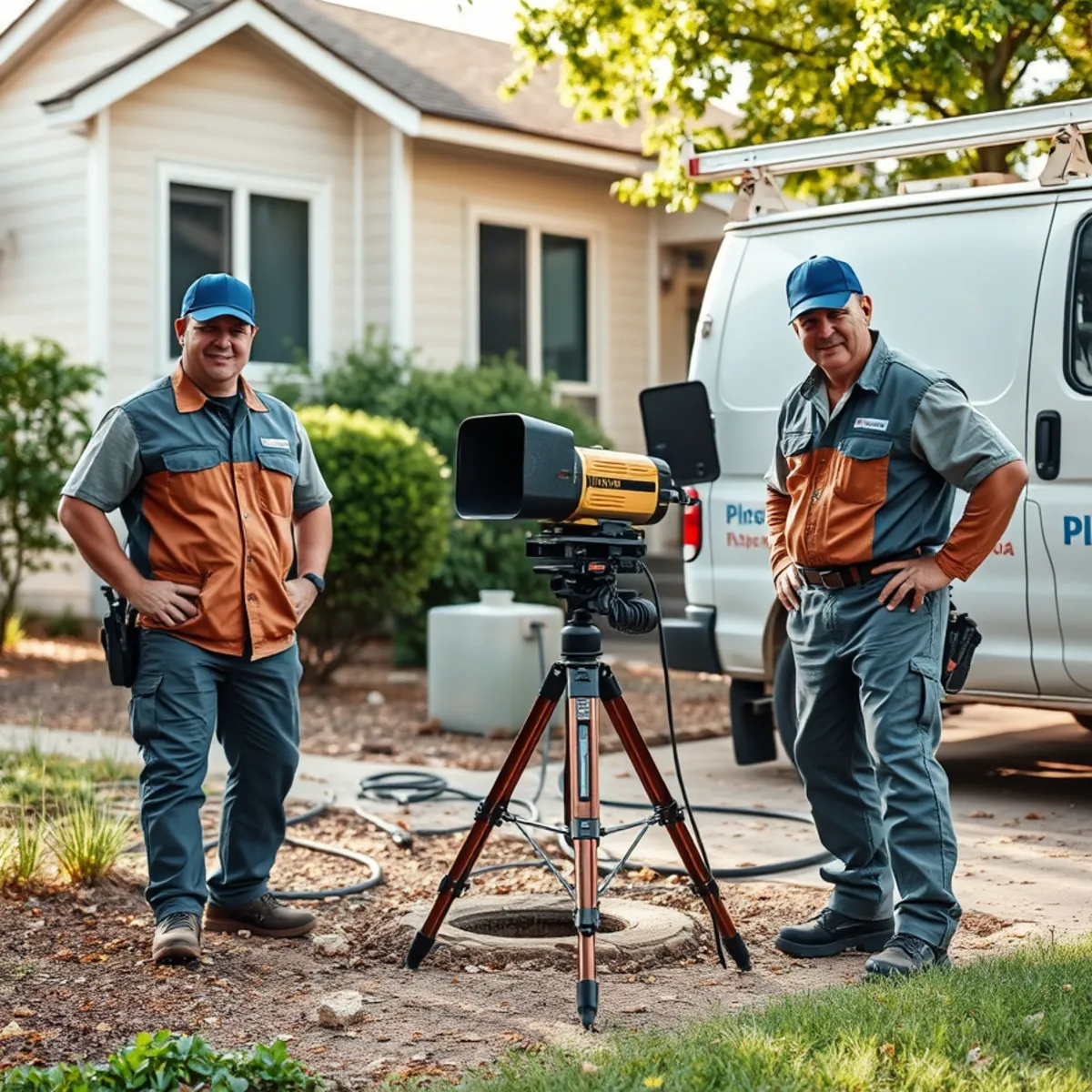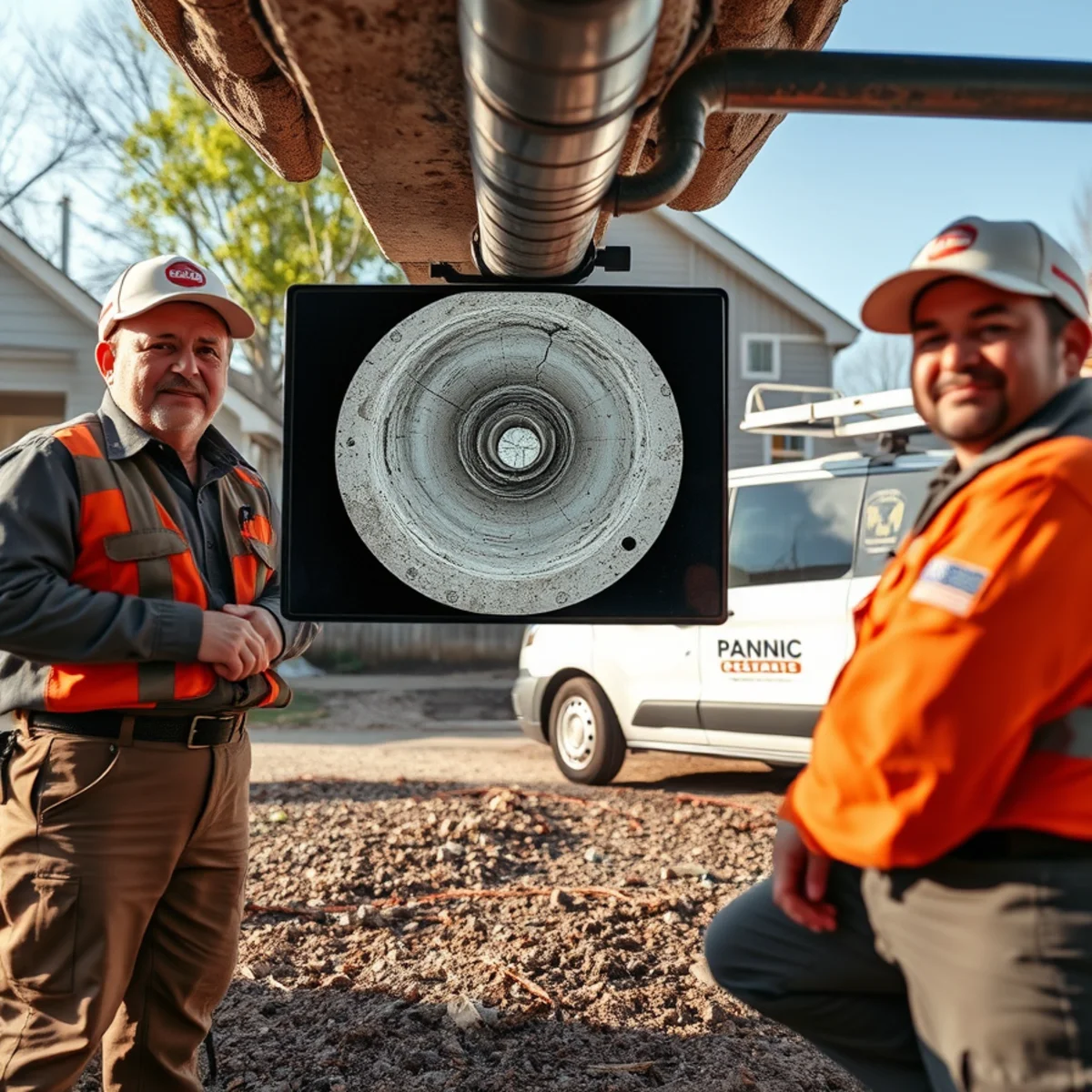
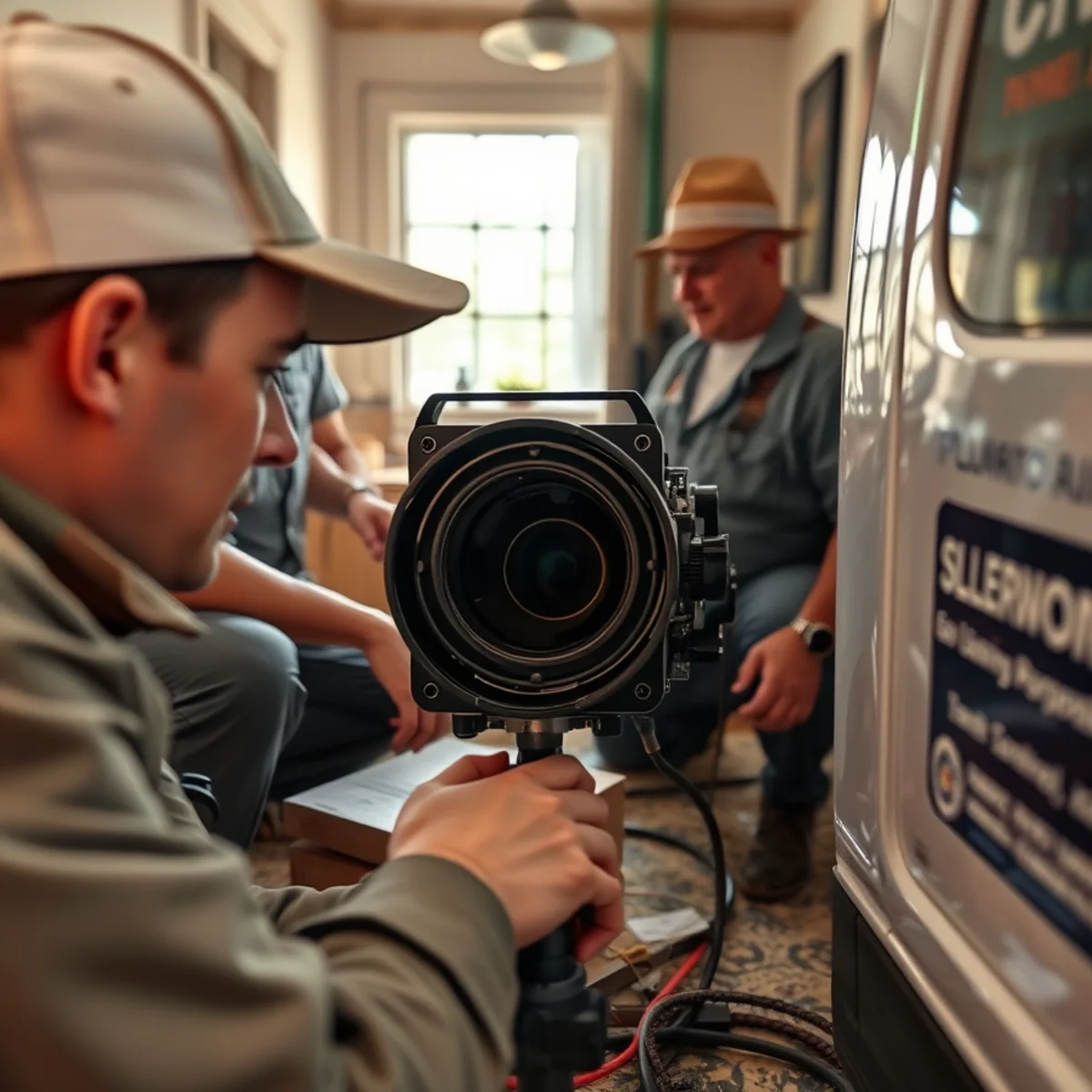
A failing sewer line used to mean one answer: a backhoe. The trench ran from the house toward the street through whatever stood in the way, whether that was oak roots, a concrete driveway, a patio, or twenty years of front-bed landscaping. Trenchless repair is the alternative, and it is two proven methods rather than a gimmick, both of which rebuild the pipe from inside the ground.
Cured-in-place pipe (CIPP) lining builds a new pipe inside the old one. Pipe bursting breaks the old pipe apart while pulling new pipe into its path. Each fits different conditions and neither fits every line, so we run the camera first and tell you which method your pipe supports, including when the honest answer is a targeted dig.
This page goes deep on the methods themselves. The wider question of repairing versus replacing a sewer lateral lives on our sewer line repair page. When you are ready for a camera inspection and a written estimate, call us.
Signs Your Sewer Line May Be a Trenchless Candidate
The camera footage and the layout of your property decide this. These are the findings that most often point toward a no-dig method:
- Roots entering at the joints of a cast iron or clay lateral that is otherwise still in one piece
- Cracks, a flaking interior, or heavy scale on camera, in a pipe that still holds its round shape
- Offset or separated joints where the camera can still travel the full run
- Stoppages that return even after hydro-jetting
- A lateral running under a driveway, a patio, or the drip line of a mature oak you want to keep
- A line you know needs replacing in a yard you would rather not tear up
What Our Trenchless Sewer Repair Includes
Every job starts with the camera and ends with recorded proof that the new pipe flows clean:
- Full-length camera inspection, with a locator marking the depth and position of the lateral
- A written method recommendation (CIPP lining, pipe bursting, lined point repair, or a targeted dig) backed by the footage
- Root cutting and descaling to bare pipe wall before any liner goes in
- CIPP liner installation and cure along the full length of the damaged run
- Pipe bursting with new fused HDPE pipe, matched to the old line’s size or stepped up when needed
- Branch reinstatement and sealed connections at the cleanout and the main
- City of Bellaire permit filing and inspection scheduling
- A final recorded camera pass, plus restoration of the small access pits
How a Trenchless Sewer Job Works
The camera picks the method, and the crew then works from a pit or two instead of a trench:
- 1
Camera, locate, and measure
We run a camera the full length of the lateral, mark its depth and position with a locator, and measure the run. The footage decides between lining, bursting, a lined point repair, or a targeted dig.
- 2
Prepare the host pipe
For lining, we cut roots and scale back to clean pipe wall and re-camera to confirm the path is clear. For bursting, we locate every utility crossing and mark the entry and exit pits.
- 3
Line or burst
A resin-saturated liner is inverted into the old pipe and cured hard, or a bursting head fractures the old line outward while fused HDPE pipe is pulled in behind it.
- 4
Reinstate, permit, and prove it
Branch openings are reopened and connections sealed. We schedule the City of Bellaire permit inspection and finish with a recorded camera pass showing clean flow from end to end.
CIPP Lining: How the New Pipe Is Built Inside the Old One
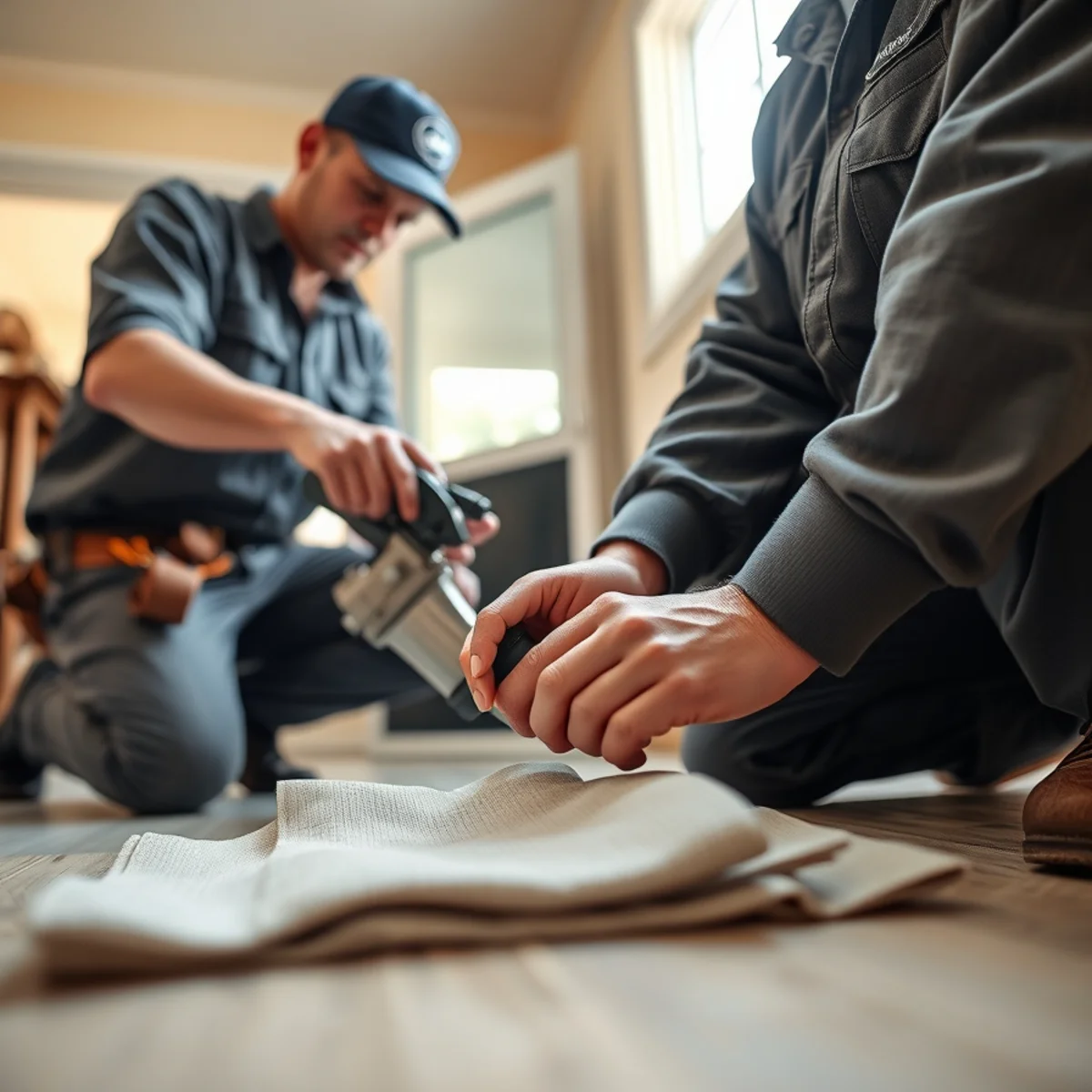
A CIPP liner starts as a flexible felt tube soaked in resin, a step the crew calls the wet-out. The tube is inverted or pulled into the cleaned host pipe, inflated so it presses against every inch of the wall, and then hardened with hot water, steam, or UV light, depending on the system. Once cured, it is a jointless pipe, typically 3 to 6 millimeters thick in a residential lateral and engineered for a service life of around 50 years.
Preparation is where most lining jobs are won or lost. Roots have to be cut out and cast iron scale removed down to bare wall, because a liner cured over debris takes the shape of the debris. After curing, a robotic cutter reopens each branch connection. The new interior is smoother than aged cast iron, so the slightly smaller inside diameter rarely costs any flow in a house lateral.
Lining suits a pipe that is cracked, rooted, corroded, or leaking at the joints but still continuous and round. It does not correct a belly, because the liner follows the host pipe’s slope, and it cannot pass a pipe that is collapsed or badly offset. Where only one spot is damaged, a lined point repair treats that section without relining the whole run. In slab homes, lining can sometimes reach a failing cast iron drain beneath the house through an existing cleanout, which avoids a jackhammered floor; branch connections and tight bends decide whether that is practical, and the camera tells us before we promise anything.
Expert tip: Ask any lining contractor for the liner’s design thickness, the standard it was engineered to, and the cure record. A reputable crew has all three on paper, plus recorded footage of the finished pipe.
Pipe Bursting: New Pipe Pulled Through the Old Path
Bursting starts with two pits, one at the house end near the cleanout and one at the far end by the main. Lengths of high-density polyethylene (HDPE) pipe are heat-fused into one continuous string above ground. A hydraulic puller then draws a cone-shaped bursting head through the old line from the far pit. The head cracks the brittle host pipe outward into the surrounding soil, and the new pipe is dragged in right behind it.
The result is brand-new, jointless pipe with no seams for roots to enter, and it can be stepped up a size if the old line was undersized. Bursting is the stronger choice when the old pipe is too brittle, broken, or root-choked to line, which describes plenty of 1950s cast iron and clay. Because the new pipe is pulled taut, a minor sag can often be drawn out as well, though a deep belly may still call for a dig at that spot.
Bursting pushes soil aside, so its limits are physical. We locate and expose every gas, water, and electric crossing before the pull, keep clear of foundations and shallow slab edges, and switch to lining where clearances are tight. The connections at the house cleanout and the city main are made by hand in the pits, and they are the joints we inspect most closely before we backfill.
When Trenchless Works, and When We Have to Dig
Three questions settle it. Can the camera and a pull cable travel the whole run? Does the pipe still hold roughly its original line, or has it dropped, offset, or bellied? And do the pit locations leave safe clearance from the slab, trees, and buried utilities? Three yeses make a line a strong trenchless candidate.
A fully collapsed section, a joint offset badly enough that the camera or a liner cannot pass, and a belly that holds water are the usual reasons for excavation. Even then, the dig is often limited to one spot: we open the failed section, repair it, and line or burst the rest. A yard with one small hole is still far better off than a yard with one long trench, and we show you the footage behind every spot we propose to open.
If sewage is already backing up, that is a sewer backup emergency first: we clear the line, then plan the permanent repair with the camera in hand. Recurring clogs are a different clue. If drain cleaning has become a routine visit, a camera pass may show a line that is ready for lining while it is still in one piece.
Expert tip: If a contractor says your line "can't be lined" or "has to be dug" without showing footage, ask to see it. A confident diagnosis has a picture behind it, and the picture should show the exact spot that rules trenchless out.
Why Trenchless Pays Off in Bellaire’s Tree-Lined Blocks
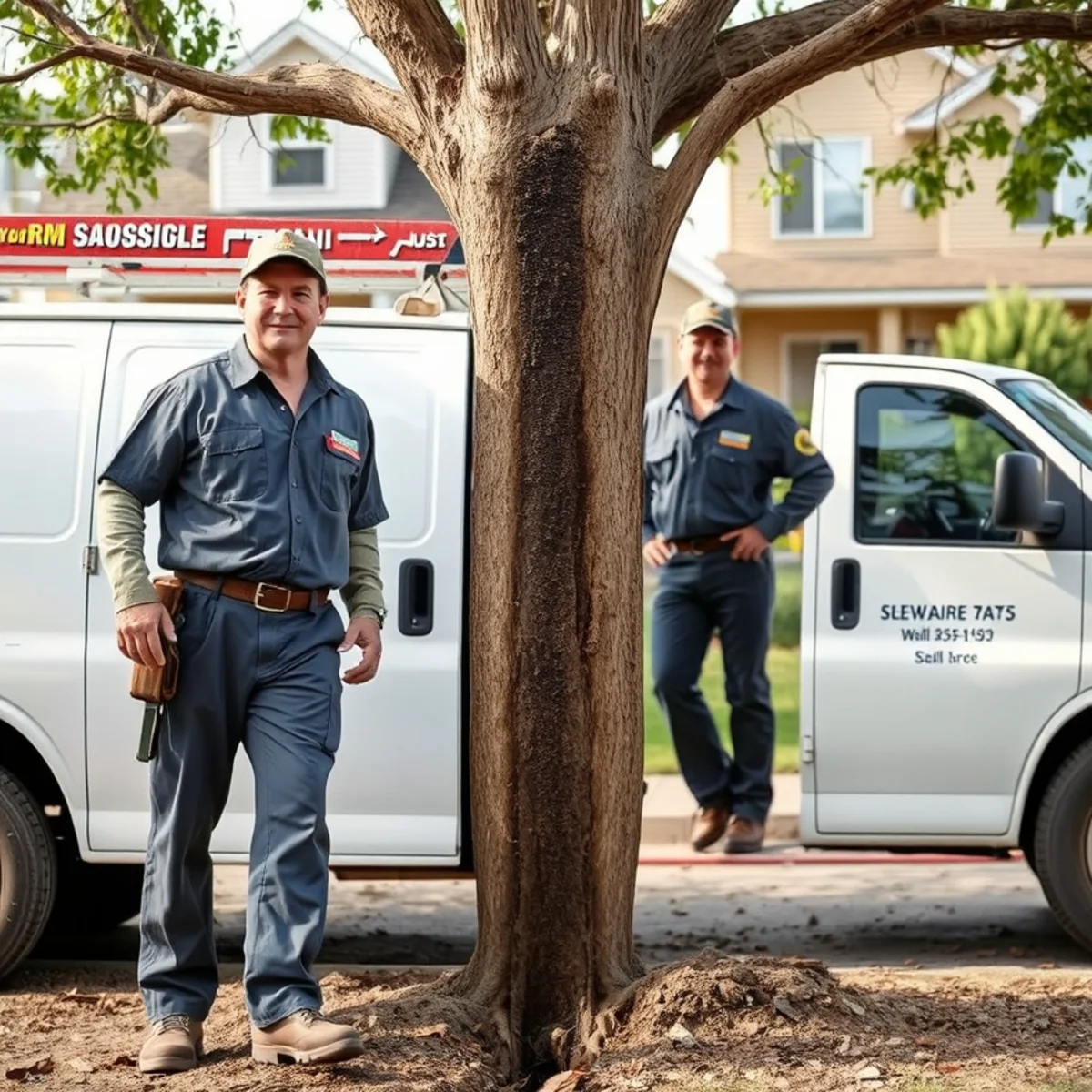
The oaks come first. A trench from the house to the main often cuts straight through a mature oak’s root zone, and a tree that took sixty years to grow does not shrug off a few days of backhoe work. Trenchless pits are small and can be placed away from the heaviest roots. The same logic protects driveways, patios, and irrigation, all of which a trench has to saw, break, and rebuild.
Soil and water come next. Clay that stands well when dry can slump when it is saturated, and blocks near Brays Bayou can sit in groundwater that fills an open trench and slows the dig. Two short pits spend far less time exposed. Most single-family laterals finish lining or bursting in a day or two, against several days or more for a long trench plus restoration.
Cost is the third reason, with a caveat. Trenchless usually costs more per foot of pipe than an open trench but frequently costs less all-in once concrete, landscaping, and tree damage are counted. On a short, shallow run across open lawn, a conventional dig can still be the cheaper honest answer, and we will price it that way. For the wider repair-versus-replace decision, see our sewer line repair & replacement page.
Ready for trenchless sewer repair in Bellaire?
Same-day service on most calls · 24/7 emergency line.
What Affects Trenchless Sewer Repair Cost
Trenchless sewer repair in the Bellaire area typically runs about $5,000 to $15,000 for a full lateral, and a lined point repair for a single defect lands well below that. An open trench can come in lower on a short run across open lawn and climbs quickly once a driveway, patio, or mature landscaping has to be restored. Your price depends on:
- Method: CIPP lining, pipe bursting, a lined point repair, or a hybrid with one targeted dig
- Length and depth of the lateral, and the number of bends, tie-ins, and cleanouts along it
- Pipe diameter, material, and how much cleaning (roots, scale) the host pipe needs before lining
- What sits above the line: driveway, patio, tree roots, and utilities that affect pit placement
- Permit and inspection fees, and the camera inspection fee, which we credit toward the repair when you hire us for the fix
These are typical market ranges. The exact number comes only after the camera inspection, in a written, itemized estimate that prices trenchless and open-trench options side by side, restoration included.
Why Bellaire Homeowners Choose Plumber Bellaire TX for Trenchless Sewer Repair
Trenchless work lives or dies on the camera. Our licensed Bellaire master plumbers inspect, locate, and measure the lateral before we promise a method, so the choice between lining, bursting, and digging rests on footage you have seen rather than a guess made from the driveway.
Trenchless Sewer Repair Across Bellaire & the Inner Loop
We repair sewer laterals without trenching across Bellaire and the surrounding Inner Loop blocks, working under oak canopies, around driveways, and through clay-soil yards where a conventional dig does the most damage. Explore your area for local details, or call (614) 830-0578.