Brays Bayou Is Rising: Plumbing Steps to Protect Your Home Before a Flood
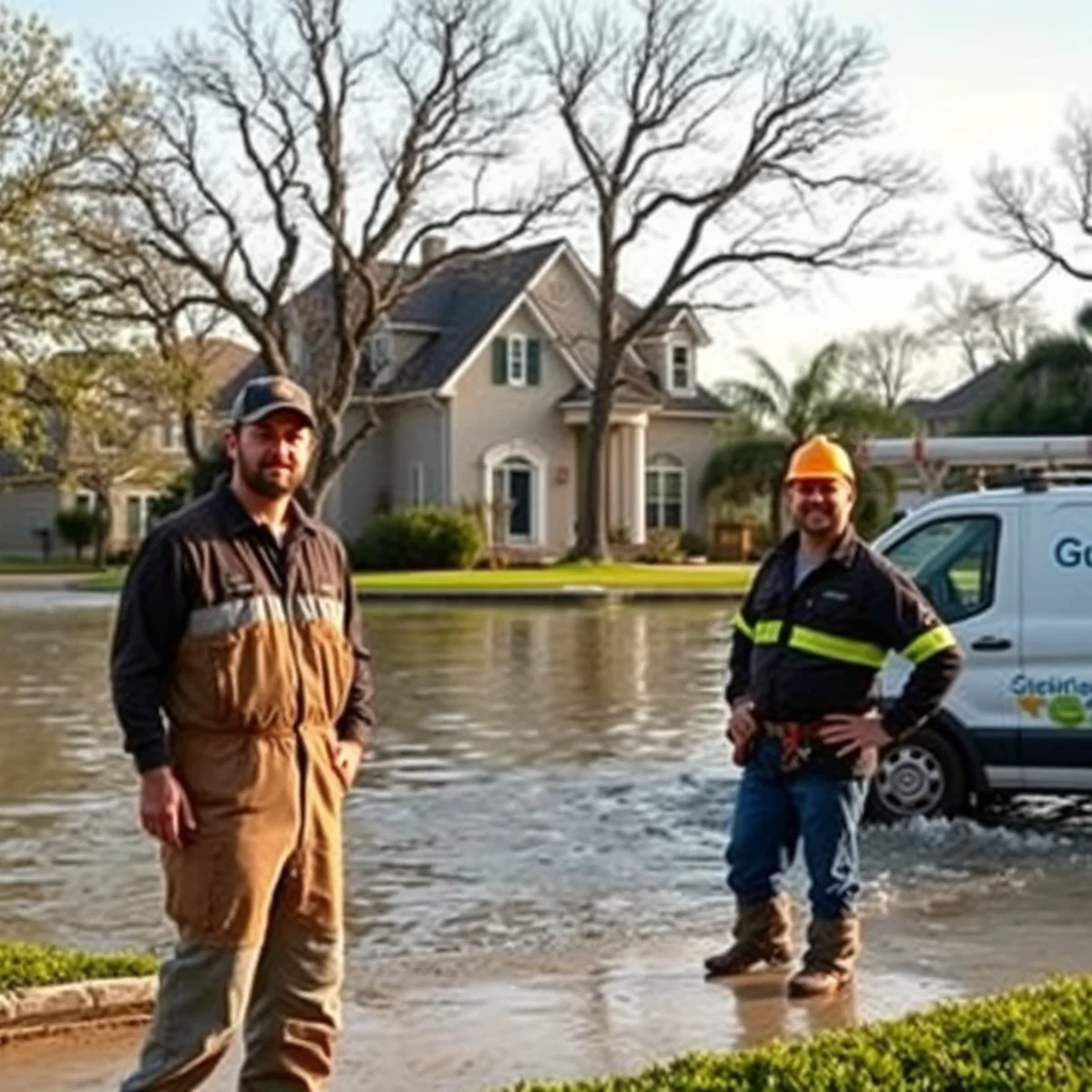
When Brays Bayou starts climbing its banks, Bellaire and Meyerland homeowners know the drill better than most of Houston: watch the gauge, watch the radar, and start moving. Most flood prep lists focus on sandbags and moving furniture upstairs. Few mention the plumbing steps that can mean the difference between water damage you can clean up and sewage backing up into your home on top of it.
If the forecast has you watching the bayou level, here's the plumbing-specific checklist to work through while there's still time, ideally hours before water is anywhere near your door, not after.
Install or Check Your Backwater Valve First
A backwater valve is the single most effective plumbing defense against flood-driven sewage backup. When floodwater overwhelms the municipal sewer system, water can push backward through your own sewer line and up through your lowest drains — a second disaster stacked on top of the flooding itself. A backwater valve closes automatically when flow reverses, keeping that surge out of your house.
If you already have one installed, this is the week to confirm it's accessible and functioning, not buried under storage bins. If you don't have one and you're in a flood-prone stretch near the bayou, it's worth having one installed before hurricane season, not during it.
Expert tip: Expert tip: A backwater valve only works if nothing is blocking it from seating properly. Clear the access panel now so it isn't a five-minute excavation project during a flood watch.
Shut Off Gas and Water If Water Is Approaching the House
- Know where your gas meter shutoff is and how to turn it — floodwater reaching a gas appliance is a fire and explosion risk, not just a plumbing one.
- Shut off the main water valve if floodwater is expected to reach the house, to prevent contaminated floodwater from being siphoned backward into your clean supply lines.
- Turn off water heaters and any gas appliances at ground level or in the garage before water reaches them.
- If you have a sump pump, verify it's working and has a battery backup — grid power often fails exactly when you need the pump most.
Move What You Can, But Prioritize the Plumbing System Itself
Once the immediate safety items are handled, focus on protecting fixtures and equipment that are expensive to replace. Move a garage water heater onto blocks if you have advance warning and the physical ability to do it safely. Anchor or elevate a washing machine's electrical connections above expected water lines. None of this replaces evacuation if authorities call for it — safety comes first, always.
Why Meyerland and Bellaire Take This So Seriously
Brays Bayou runs directly along Meyerland's edge, and this area flooded significantly in 2015, 2016, and again catastrophically during Hurricane Harvey in 2017, when nearly 2,000 Bellaire-area homes took on water. The Harris County Flood Control District's Project Brays, a roughly $480 million bayou-widening and detention effort, has measurably reduced flood risk along the corridor — but reduced isn't eliminated, and homes here still flood in the right storm.
That history is exactly why we build our flood & storm plumbing service around this specific watershed, from backwater valve installs to post-flood plumbing inspection for Meyerland homes that have been through this more than once.
A Flood-Watch Timeline: What to Do at Each Stage
This matters most for homes closest to the water itself, along Meyerland and Braeswood, but the timeline below applies to any Bellaire-area home once a flood watch is issued.
- 172 hours out, flood watch issued: confirm your backwater valve is accessible and test it if it has a manual test feature. Locate your gas meter shutoff and main water valve. Charge phones, flashlights, and any sump pump battery backup.
- 224 hours out, flood warning with the bayou rising: move anything stored on a garage or ground-level floor up onto shelving. Photograph your home's current condition, inside and out, for insurance purposes before there's any damage to document.
- 36 hours out, water approaching your street: shut off gas to ground-level appliances if water is expected to reach them, and move vehicles to higher ground. Follow evacuation orders immediately if issued — none of this plumbing prep matters if you wait too long to leave.
- 4Water at the door: shut off the main water valve if it's still safe to reach, to prevent contaminated floodwater from siphoning backward into your clean supply lines.
Expert tip: Expert tip: Write your shutoff locations and this timeline on an index card and tape it inside a kitchen cabinet. In an actual flood watch, you want the sequence in front of you, not buried in a bookmarked article.
Mistakes That Turn Bayou Flooding Into a Bigger Plumbing Disaster
Our flood damage plumbing team handles the inspection side of a flood's aftermath, and these are the mistakes that most often turn into a second call.
- Running a portable generator near returning floodwater or a wet electrical panel — a fire and electrocution risk that shows up in the same breath as a plumbing shutoff.
- Restarting a submerged water heater or furnace without inspection because "it looks fine from the outside." Contaminated water inside the controls or combustion chamber is a safety issue, not just a performance one.
- Using sinks, toilets, or the washing machine before confirming the sewer line is clear, especially if the backwater valve engaged during the flood.
- Skipping the camera inspection because drains "seem to be draining fine." Floodwater carries sediment that can settle gradually in a sewer line over the following weeks, well after the visible flooding is gone.
- Filing an insurance claim without a plumber's written inspection report. A documented assessment of what was submerged and what needs replacement is far stronger than photos alone.
After the Water Recedes: What to Check First
- 1Don't turn water or gas back on until you've visually inspected exposed lines for damage.
- 2Have your water heater inspected before relighting or restarting it if it sat in floodwater — contaminated water inside the tank or controls is a safety issue, not just a performance one.
- 3Run a camera inspection on your sewer line if the backwater valve engaged, or if you notice slow drains afterward — floodwater carries sediment that can settle in the line.
- 4Watch your water bill closely for the next cycle; a spike can indicate a line damaged by shifting, saturated soil.
- 5Check outdoor gas and water shutoff valves for silt or debris floodwater may have packed around the valve stem, which can make a normally quick shutoff difficult the next time you need it.
Frequently Asked Questions
Does a backwater valve really stop sewage backup during a flood?
Should I shut off my water heater before a flood?
How do I know if my home is at real flood risk from Brays Bayou?
What should I do first after floodwater recedes from my house?
Can I install a backwater valve myself?
Written by the Plumber Bellaire TX team
Licensed Texas master plumbers based on Newcastle Street in Bellaire. We’ve spent years working the slab leaks, repipes, and sewer lines this article covers — right here in the City of Homes.
(614) 830-0578