Brays Bayou Flooding: A Plumbing History of 2015, 2016 & Harvey in Bellaire
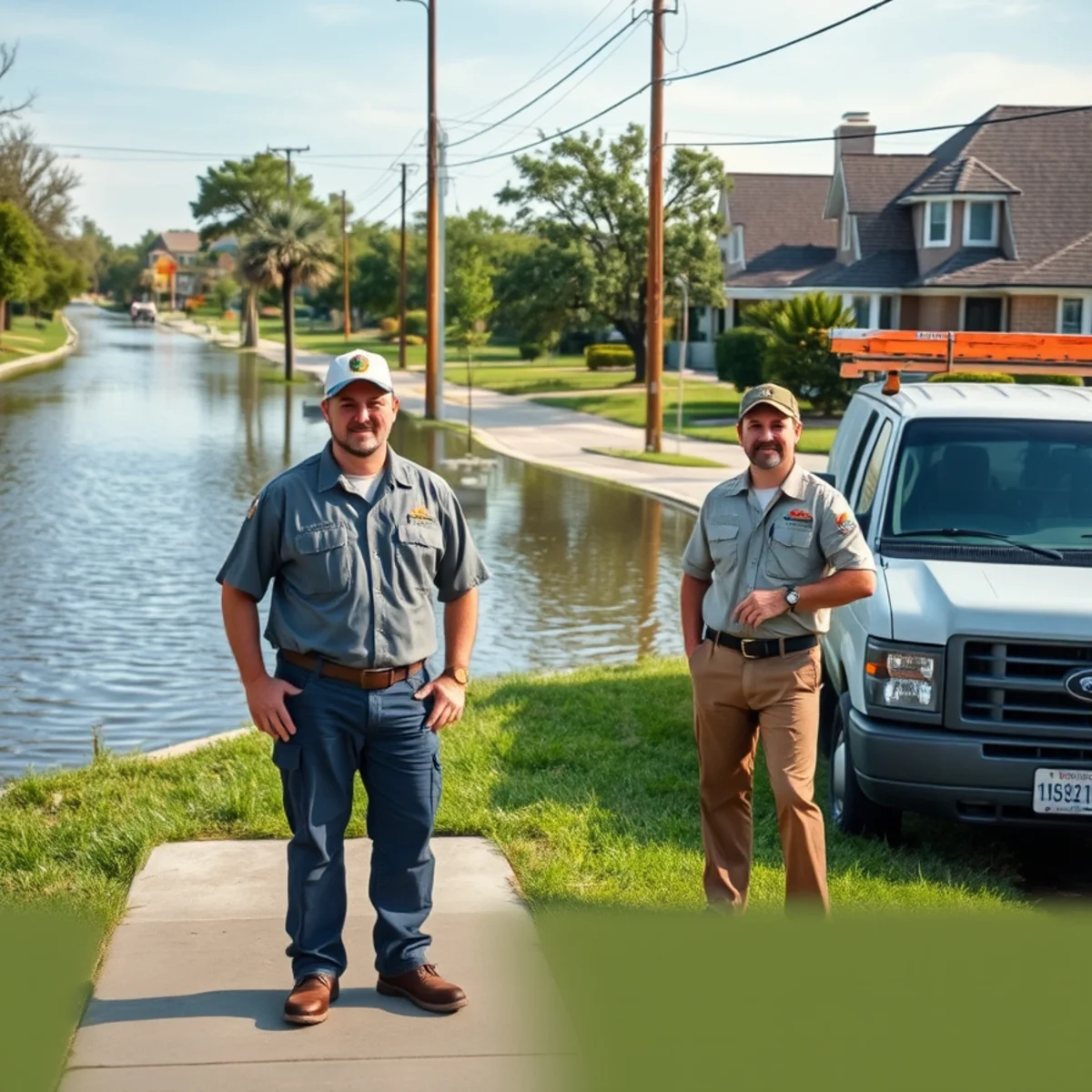
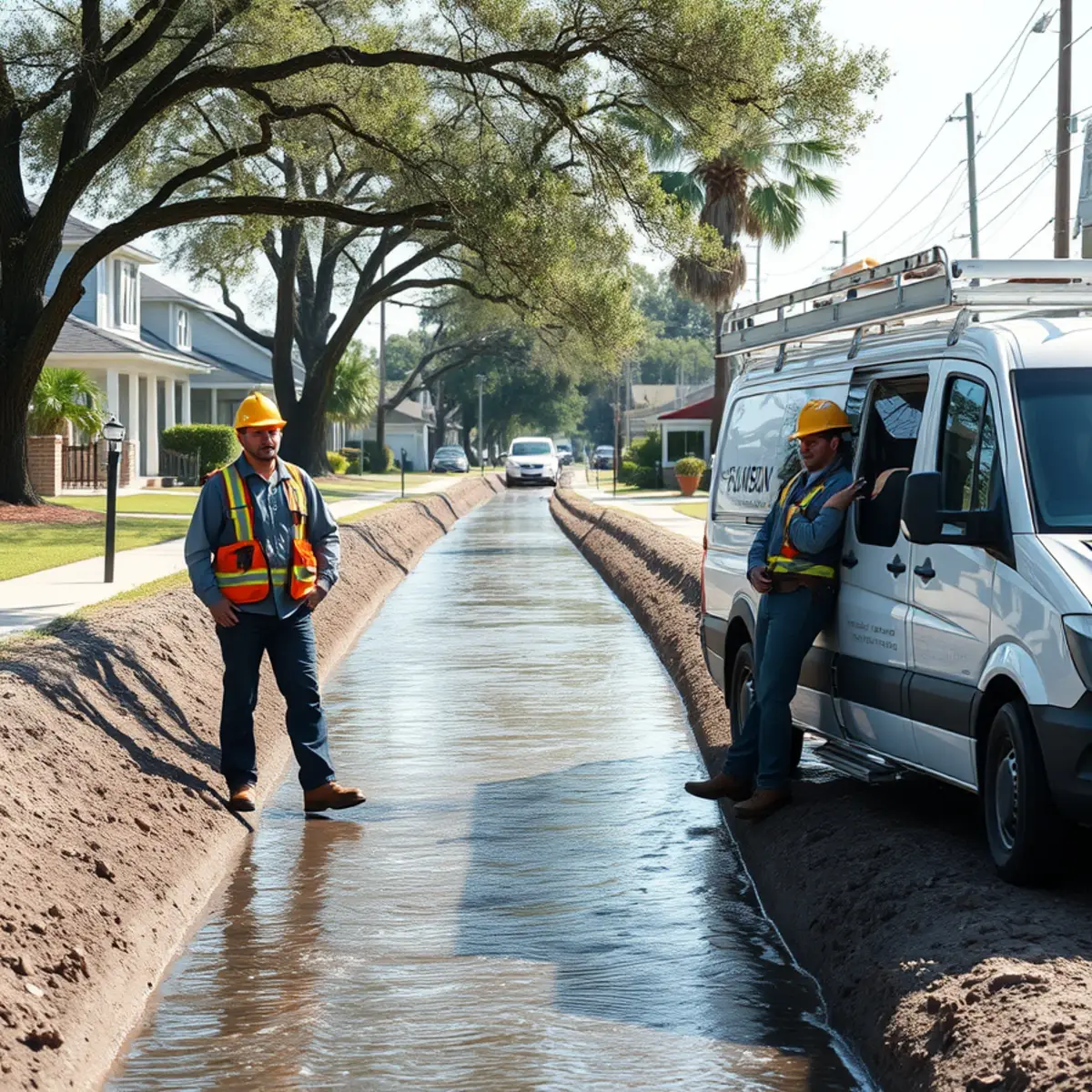
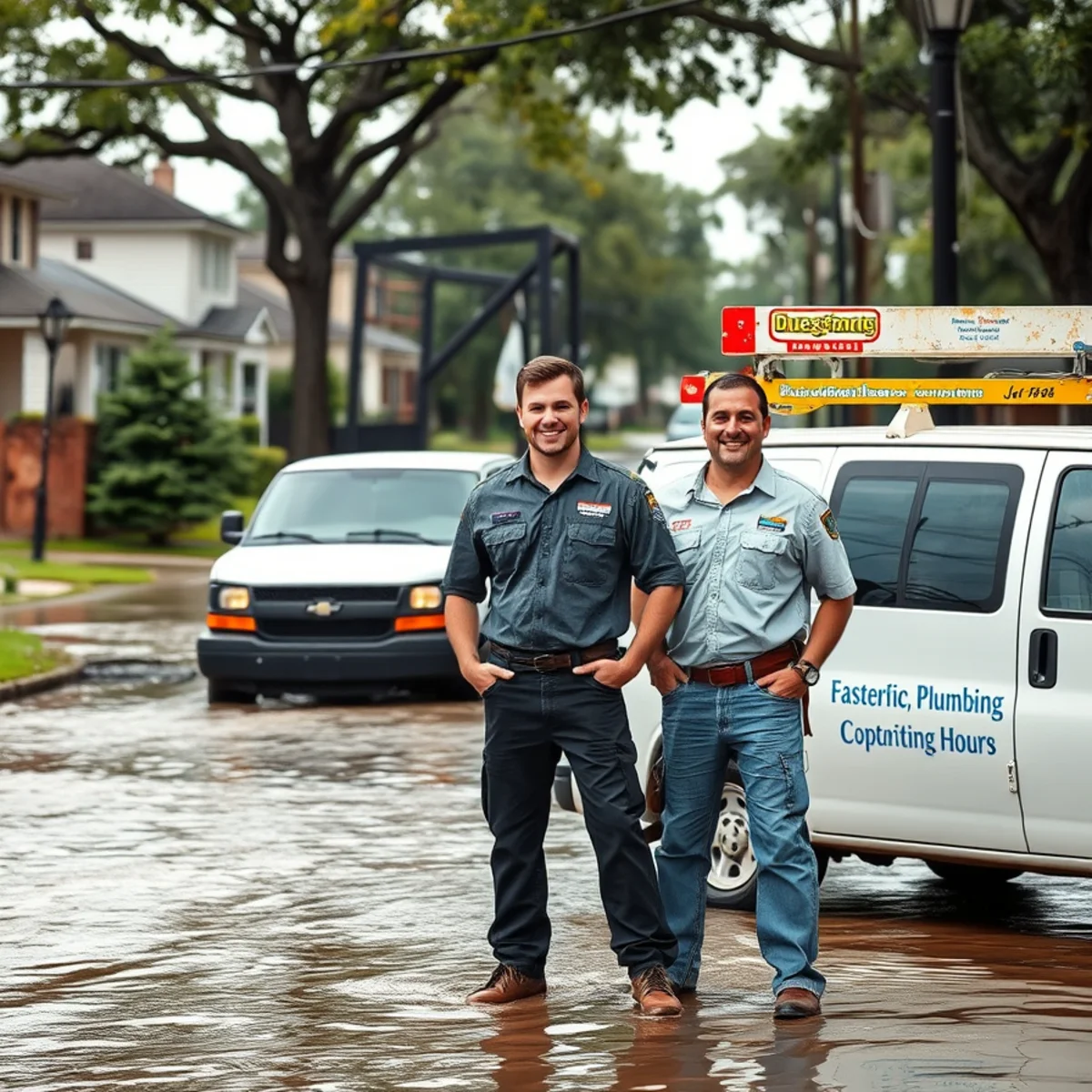
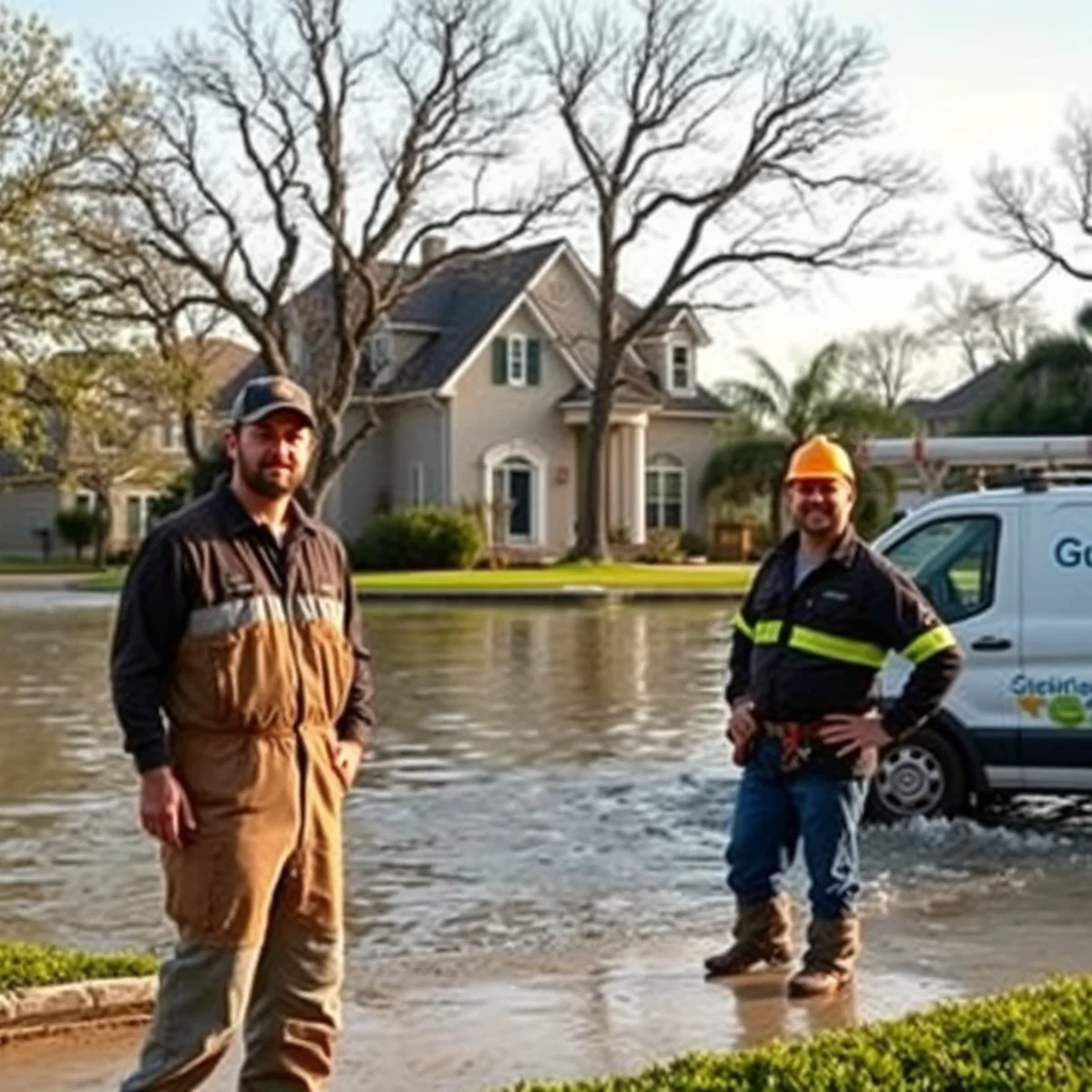
Three times in a little over two years, Brays Bayou climbed out of its banks and into Bellaire streets and homes. The Memorial Day flood of 2015, the Tax Day flood of 2016, and Hurricane Harvey in August 2017 each brought water into thousands of homes along the bayou, and each one left behind the same kind of plumbing damage — the kind that isn't always obvious until weeks later.
If you've owned a home near Brays Bayou through any of those events, you already know the water. What's less understood is what that water actually does to a house's plumbing on the way in and on the way out, and why the risk doesn't disappear once the street is dry again.
Three Floods in Three Years
Memorial Day weekend 2015 brought a fast, intense storm that pushed Brays Bayou well past flood stage, catching many residents by surprise with how quickly water rose. Less than a year later, the Tax Day flood of April 2016 did it again, with some of the same streets taking on water twice in under twelve months. Then in August 2017, Hurricane Harvey dropped more than 30 inches of rain across the watershed in a matter of days, and Brays Bayou overwhelmed its channel on a scale the other two storms hadn't approached.
City and county damage assessments after Harvey put the number of flooded Bellaire homes somewhere between roughly 1,936 and 2,318 — a huge share of a city with only around 17,000 residents. Neighboring Meyerland, sitting even closer to the bayou's most flood-prone bends, was hit at least as hard.
Why Bellaire and Meyerland Share the Same Flood Risk
Brays Bayou drains a wide, densely developed swath of west and southwest Houston, funneling stormwater through a channel that, for decades, was too narrow for the volume a big storm could send through it. Both Bellaire and Meyerland sit low and flat along that same channel, on the same expansive clay that drains slowly to begin with. Most of the housing in both areas was built in the 1950s and 1960s, well before modern floodplain mapping existed, which is part of why so many homes ended up sitting lower than later flood studies would have allowed.
Two Separate Systems: Bayou Channel and Street-Level Drainage
It's easy to lump "flood control" into one bucket, but Bellaire homeowners are really dealing with two separate systems that happen to feed into each other. The bayou channel itself — the part Project Brays widened — governs how much water Brays Bayou can carry before it tops its banks. The storm sewers under your street are a separate system, built to move rainwater off pavement and yards and into that channel in the first place.
A storm can strain one system without straining the other. A slow, sustained rain event can overwhelm street-level storm sewers and the sanitary sewer system on a day the bayou itself stays well below flood stage — which is exactly the sewer-backup scenario described above. Knowing which system is actually under stress during a given storm matters more than assuming "the bayou's fine" means your drains are in the clear too.
This is also why a home can flood from the street side during a storm that never makes the news as a "bayou flood" at all. Ordinary heavy rain overwhelming local storm drains is a far more frequent event than a named storm overtopping Brays Bayou itself.
What Floodwater Actually Does to a Home's Plumbing
The damage people picture — soaked drywall, ruined flooring — is only part of it. When a bayou-fed storm overwhelms the municipal sewer system at the same time it's flooding streets, the sewer main itself can surcharge under pressure. Water and sewage look for the lowest opening, and that's often a floor drain, a tub, or a toilet on the ground floor — meaning contaminated water can back up into a home through the drain system even before floodwater outside ever reaches the door.
Once floodwater does reach the house, it finds every slab penetration — plumbing stubs, expansion joints, utility entries — and pushes water inside around them. A water heater or furnace sitting in a garage or low utility closet is usually a total loss once submerged, even if it still appears to run afterward; corrosion and contamination inside the tank and its electrical components don't reverse. And once the water recedes, silt and debris carried into the sewer lateral during the flood often settle in the pipe, leaving a partial blockage that shows up as slow drains weeks later.
Backwater Valves and Other Protection
- A backwater valve installed on the main sewer line, which closes automatically to stop sewage from surcharging back into the house
- A camera inspection of the sewer lateral after any flood event, to check for silt, debris, or a shifted line before it causes a backup
- Elevating a water heater or HVAC equipment above documented flood levels where the layout allows it
- Flood insurance carried year-round, not added the week a storm is forecast — most policies have a waiting period before coverage starts
What to Check Before You Buy or Renovate Near the Bayou
Bellaire's location near the bayou is part of what makes it desirable — mature trees, an established street grid, easy access into the Texas Medical Center and downtown — so buyers and renovators need real information on a specific lot, not neighborhood reputation, to judge flood risk accurately.
- Pull the current FEMA flood map for the exact address, not the neighborhood generally — flood zones can differ from one side of a street to the other
- Ask for the seller's flood history disclosure, which Texas law requires for any home that has taken on water, including from an event where no claim was ever filed
- Check whether the home has an elevation certificate, especially for anything built or substantially renovated after the 2015 or 2016 floods
- Confirm whether a backwater valve is already installed, and if so, when it was last serviced
- Have the sewer lateral camera-inspected as part of any pre-purchase inspection if the home sits within a few blocks of the bayou — our sewer line repair team offers this as a standalone check
If Brays Bayou Floods Your Home Again
Shut off the main water supply and, if it's accessible and safe, the gas to the water heater. Photograph everything before cleanup starts, for both insurance and contractor reference. We provide flood damage plumbing across Bellaire and the bayou-adjacent neighborhoods that have lived through all three events, from emergency water heater replacement to sewer camera work once the water is gone.
Expert tip: Don't run water through any fixture, and don't turn on a water heater or furnace that sat in floodwater, until a plumber has checked the system. Running a contaminated or waterlogged system can cause damage you can't see yet.
Frequently Asked Questions
How many Bellaire homes flooded during Hurricane Harvey?
Why does floodwater come up through my toilet or floor drain before the street even floods?
What does a backwater valve actually do?
Should I replace a water heater that flooded but still seems to work?
Does a home have to be in the mapped floodplain to be at risk from Brays Bayou?
Written by the Plumber Bellaire TX team
Licensed Texas master plumbers based on Newcastle Street in Bellaire. We’ve spent years working the slab leaks, repipes, and sewer lines this article covers — right here in the City of Homes.
(614) 830-0578