Freeze Warning in Houston: How to Protect Your Pipes Tonight
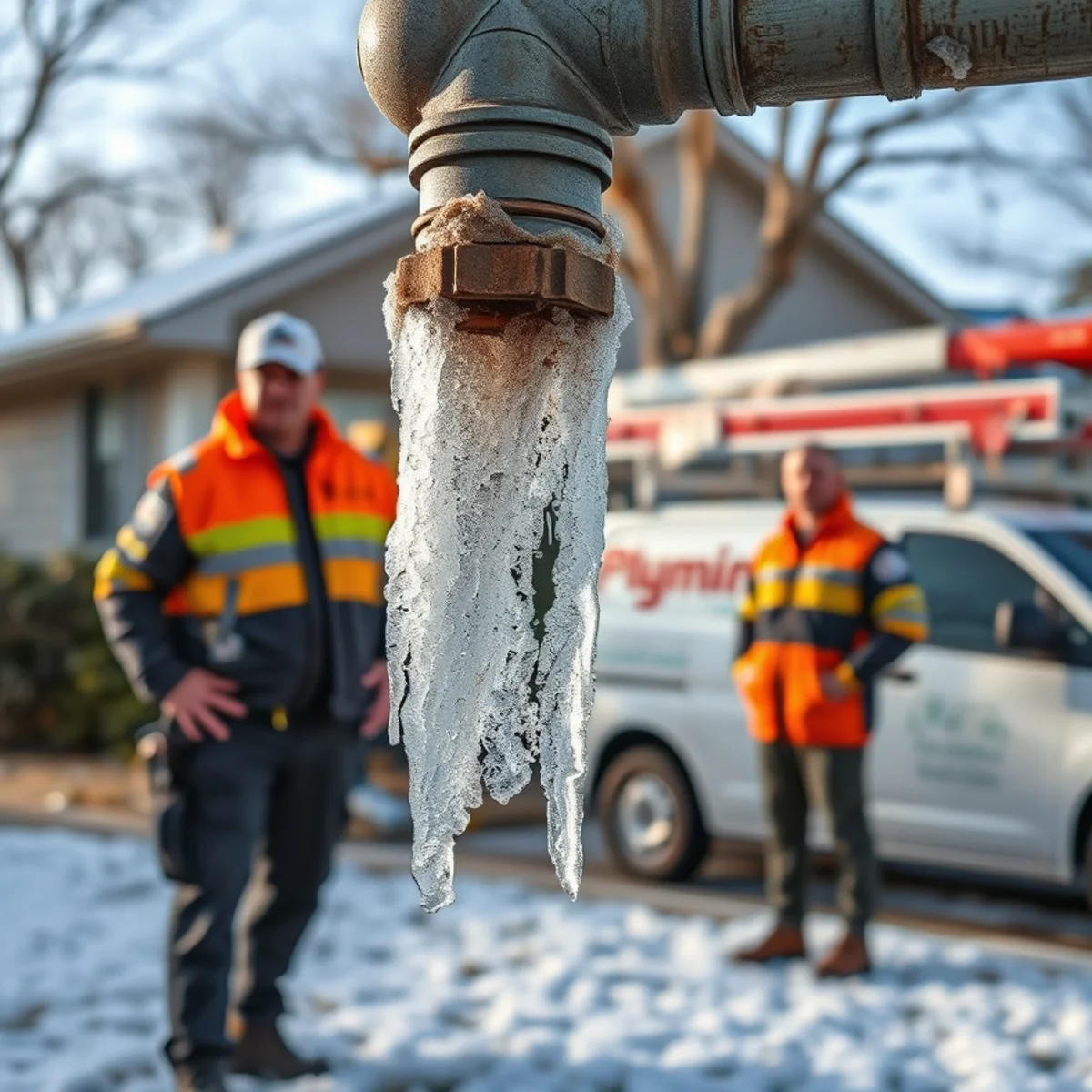
The forecast says freezing overnight, and your stomach drops a little if you've lived in Houston long enough to remember February 2021. Houston homes simply aren't built like homes in colder climates — pipes run through attics, garages, and exterior walls with a fraction of the insulation a northern house would have. That's fine for a mild winter. It's a real risk on a hard-freeze night.
You don't need to do everything on every cold snap, but on a genuine freeze warning — anything forecast at or below 28°F for several hours — these steps take under thirty minutes and meaningfully cut your odds of a burst pipe.
A Quick Freeze-Risk Walkthrough of Your Own House
Not every pipe in your house is equally at risk. A five-minute walkthrough before the cold front arrives tells you exactly where to focus the steps below instead of guessing.
- Attic runs: any supply line crossing an attic, especially near a soffit vent or the roof edge where insulation is thinnest, sits close to outdoor temperature during a hard freeze.
- Garage walls: pipes along an exterior garage wall, especially behind a water heater or laundry hookup, often have less insulation than the rest of the house.
- Exterior-wall bathrooms: a bathroom added on an exterior wall, common in additions and older ranch-style Houston homes, can put supply lines directly against uninsulated brick or siding.
- Crawlspace and pier-and-beam runs: homes without a slab foundation often have exposed supply lines beneath the house with only the crawlspace vents between them and outdoor air.
- Anything that's frozen before: a pipe that froze in a past cold snap will freeze again in the next one unless something about its exposure actually changed.
Let Faucets Drip on Vulnerable Lines
Moving water is far less likely to freeze than still water, and a small continuous drip relieves pressure buildup even if ice does form somewhere in the line. Focus on faucets fed by pipes in exterior walls, the garage, or the attic — a pencil-thin trickle from both the hot and cold side of at least one faucet on each vulnerable line is enough. You're not trying to save water tonight; you're trying to save a wall.
Expert tip: Expert tip: Identify your most exposed faucets before the freeze hits, not during it — typically anything on an exterior wall, in the garage, or a bathroom sitting above an unheated crawlspace.
Open Cabinet Doors Under Sinks
Kitchen and bathroom cabinets trap cold air around the supply lines beneath the sink, especially on exterior walls. Opening the doors lets warm household air circulate around those pipes. It costs nothing and takes ten seconds per cabinet.
Protect Outdoor Spigots and Exposed Lines
- Disconnect garden hoses completely — a hose left attached traps water in the spigot and the line behind it.
- Cover exterior hose bibs with an insulated faucet cover, or wrap with towels and plastic if you don't have one on hand.
- Wrap any exposed pipe you can see under the house, in a crawlspace, or in the garage with foam pipe insulation or, in a pinch, towels secured with tape.
- If you have a pool or irrigation system, follow the manufacturer's freeze protocol or shut it down per your installer's instructions.
Know Where Your Main Shutoff Is — Tonight, Not After a Burst
If a pipe does fail despite your prep, speed matters. Locate your main water shutoff now, confirm it turns freely, and make sure everyone in the household knows where it is. This single piece of preparation turns a middle-of-the-night burst pipe from a flooding disaster into a contained problem you can handle until a plumber arrives.
If a Pipe Does Freeze — Don't Use an Open Flame
If a faucet stops producing water during a freeze, you likely have a frozen section somewhere in that line. Leave the faucet open, and apply gentle heat to any exposed section you can safely reach — a hair dryer, a space heater kept at a safe distance, or heat tape rated for the purpose. Never use a blowtorch, propane heater, or other open flame near a pipe; that's how freeze events turn into house fires, not just plumbing repairs.
If you can't find or reach the frozen section, or water still isn't flowing after a reasonable attempt, stop and call for freeze damage pipe repair rather than risking a bigger problem.
Why This Matters More in West University Place and Older Houston Neighborhoods
Homes in West University Place and similar close-in neighborhoods were largely built for a climate that rarely sees hard freezes, so pipe runs through attics and exterior walls were never designed with northern-grade insulation in mind. Winter Storm Uri in February 2021 proved the point at scale — more than 100,000 Houston-area homes had a burst pipe from that single event. The prep steps above are exactly what would have prevented a large share of those failures.
When Nightly Prep Isn't Enough: Permanent Fixes
If you're prepping the same pipe before every freeze warning, that's worth listening to. Dripping faucets and foam insulation reduce risk, but they don't fix an underlying exposure problem, and eventually a freeze harder or longer than expected finds the gap in the prep. For a pipe that's already failed once, or one you dread every winter, a permanent fix is usually cheaper over five years than the repeated risk.
- Rerouting an exposed run through conditioned interior space instead of an attic or exterior wall, often done as PEX-A repiping during an unrelated repair, since PEX-A tolerates minor freezing far better than rigid copper or galvanized pipe.
- Adding heat tape rated for permanent installation on a pipe that can't practically be rerouted, wired to a thermostatically controlled outlet rather than left on a switch someone has to remember.
- Upgrading attic or garage insulation specifically around the plumbing run, not just the general attic floor insulation most Houston homes already have.
- If a pipe has already burst from a freeze, using the repair as a chance to reroute that section instead of simply replacing it in the same exposed spot — our burst pipe repair team can often do both in the same visit.
Frequently Asked Questions
At what temperature should I start freeze-proofing my pipes?
Does letting the faucet drip really waste that much water?
How long does it take pipes to freeze in a Houston home?
What should I do if several pipes burst at once during a freeze, like in 2021?
What about my sprinkler system or an outdoor backflow preventer?
Written by the Plumber Bellaire TX team
Licensed Texas master plumbers based on Newcastle Street in Bellaire. We’ve spent years working the slab leaks, repipes, and sewer lines this article covers — right here in the City of Homes.
(614) 830-0578