Winter Storm Uri: Why 100,000+ Houston Homes Had Burst Pipes (and How to Avoid It)

In February 2021, Houston went days without reliable power during the coldest weather much of the region had seen in decades. When Winter Storm Uri finally broke, insurers and utilities counted more than 100,000 burst-pipe claims across the Houston area — one of the largest residential water-damage events in Texas history, and almost all of it from frozen plumbing, not flooding.
Uri wasn't a disaster because Houston got unusually cold for a northern city. It was a disaster because Houston homes, Bellaire's included, are built for heat and humidity, not for days of hard freeze with no power to fight it. Understanding why our homes break where a Minneapolis home wouldn't is the first step to making sure yours doesn't next time.
What Actually Happened in February 2021
A polar vortex disruption pushed arctic air deep into Texas, and Houston spent several consecutive days at or below freezing, with lows in the teens and twenties in places. At the same time, the ERCOT power grid failed under the demand, leaving millions of homes without electricity for hours or days — including the heat that would normally have kept indoor plumbing above freezing. The combination of sustained cold and no heat is what turned a hard freeze into a plumbing catastrophe.
Why Houston Homes Break Where Northern Homes Don't
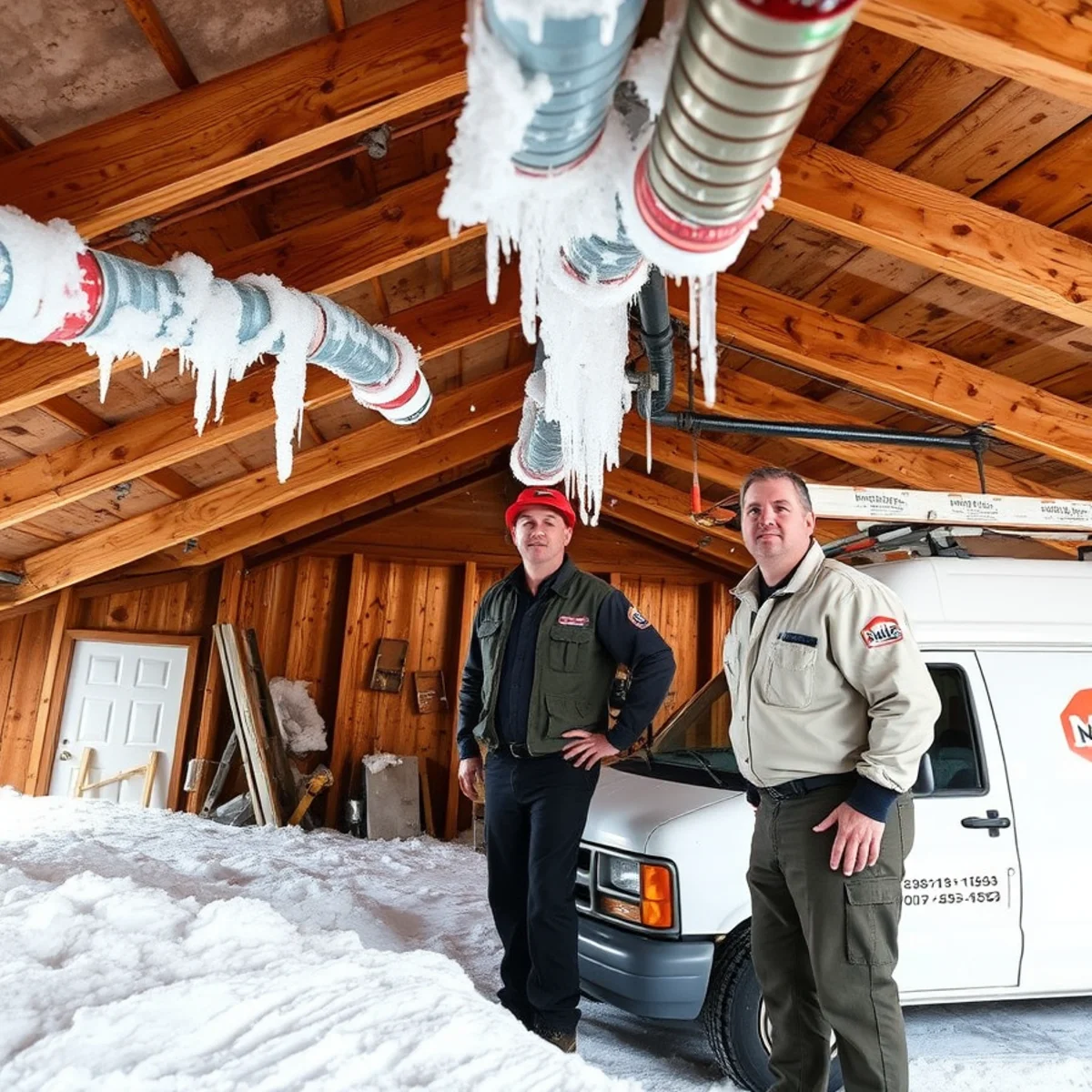
Homes built for a climate that freezes every winter run supply lines deep underground and insulate the pipe runs that stay exposed. Houston homes were built for a climate where a hard freeze happens once every several years, so builders routed pipe the cheaper, easier way: through attics, along exterior walls, and across unheated garages, often with little or no insulation. None of that is a defect by local standards — it's simply not designed for what Uri delivered.
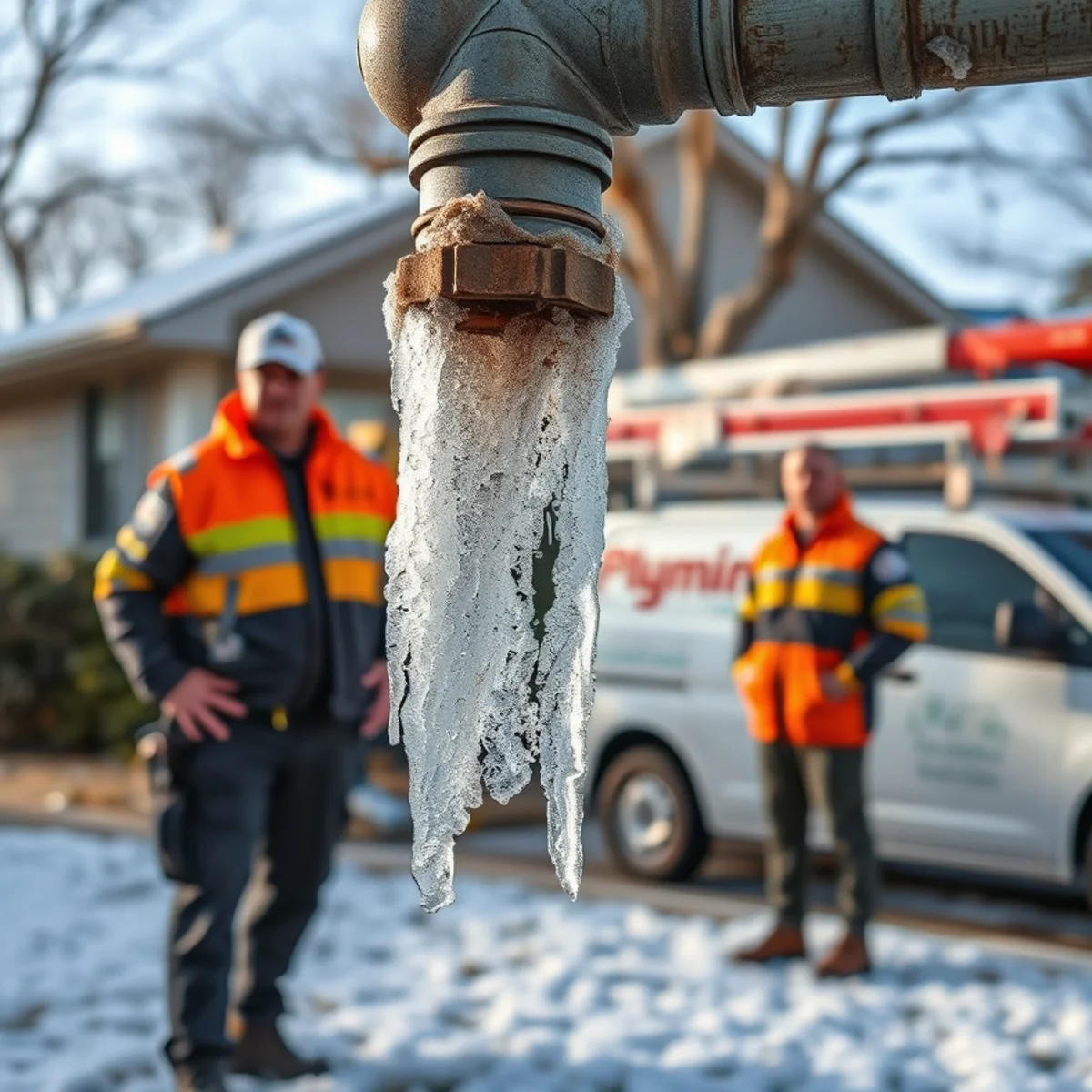
Water expands by roughly nine percent as it freezes. Inside a closed length of pipe, that expansion has nowhere to go, and the pressure builds until the pipe wall fails — usually not exactly where the ice plug formed, but nearby, at a joint or a weak point in the run. In an attic or exterior wall, that failure can happen quietly, out of sight, while everything downstream of the ice is still frozen solid.
The Delayed Damage Trap
This is the part that caught so many Houston homeowners off guard during Uri. A pipe can burst while still frozen and cause no visible leak at all, because the ice plug is still blocking the water behind it. The flooding starts once the pipe warms up and the ice melts — sometimes hours after power and heat are restored, sometimes a full day later. Homeowners came home to running water pouring through a ceiling long after they assumed the danger had passed.
After any hard freeze, check exposed pipe runs — attic access, garage walls, under sinks on exterior walls — for cracks or splits before you assume everything is fine, even if nothing is actively dripping yet. If you find one, burst pipe repair starts with the main shutoff, not a bucket and a roll of tape.
PEX vs. Copper: Which Handles a Freeze Better?
Homeowners rebuilding a freeze-damaged run often ask whether to replace it with the same material or switch. PEX tubing has a real advantage here: it's flexible enough to expand slightly as water inside it freezes, which lets a fair number of freeze events pass without a split where rigid copper at the same spot would crack. That's not a guarantee — PEX can and does burst in a hard, sustained freeze like Uri, especially at metal fittings and connections, which don't flex the way the tubing itself does.
Copper's failure mode is more predictable and, in a way, easier to plan around: it tends to split at a joint or a straight run under sustained pressure, which is usually a cleaner point repair. The practical takeaway for Bellaire homes: if you're already opening a wall or attic run for a repiping project after freeze damage, PEX is the more freeze-tolerant material to rebuild with — but no material replaces keeping exposed runs out of unconditioned space in the first place.
Freeze Prevention for Houston Homes
- Know where your main water shutoff is before you need it in the dark during a grid failure
- Let faucets on exterior walls drip slightly during a hard freeze warning to keep water moving
- Open cabinet doors under sinks on exterior walls so warmer room air can reach the pipes
- Disconnect and drain garden hoses, and cover exterior spigots
- Keep the attic access closed but consider pipe insulation sleeves on any attic-run supply lines
- If you'll be away during a freeze warning, leave the heat running and ask a neighbor to check the house
Uri vs. a Routine Houston Freeze
Not every freeze warning deserves Uri-level anxiety, and knowing the difference helps you calibrate effort. A typical Houston cold snap drops temperatures below freezing for a few hours overnight, with power intact and daytime temperatures climbing back above freezing shortly after — basic precautions like a slight drip and open cabinet doors handle this comfortably nearly every time.
Uri was different because of duration stacked on top of a grid failure: multiple consecutive days below freezing, with no heat running in millions of homes for hours or days at a stretch. Grid operators have made some winterization changes since 2021, but a multi-day outage during a hard freeze is still a realistic scenario worth planning around, not a one-time fluke. Treating a forecast of several consecutive nights below freezing as an "Uri-lite" scenario — confirming space heaters and blankets are ready, storing drinking water, checking on elderly or vulnerable neighbors — is a reasonable response, not an overreaction.
If a Pipe Bursts During or After a Freeze
Turn off water at the main, then get water moving out of the system by opening a low faucet, and call for freeze damage pipe repair rather than trying to thaw and patch a pipe yourself. We saw the full range of Uri damage across neighborhoods like Westbury, where the same 1950s-era construction that makes these homes charming also means original pipe runs with minimal insulation in exactly the places Uri hit hardest.
Expert tip: Shut off the main water supply the moment you find or suspect a burst pipe — don't wait for it to stop dripping on its own once the ice melts.
Frequently Asked Questions
Why did Winter Storm Uri cause so many burst pipes in Houston?
Where do pipes usually burst in a Houston home during a freeze?
Should I let my faucets drip during a freeze warning?
What should I do if a pipe bursts during a freeze?
Is PEX pipe less likely to freeze and burst than copper?
Written by the Plumber Bellaire TX team
Licensed Texas master plumbers based on Newcastle Street in Bellaire. We’ve spent years working the slab leaks, repipes, and sewer lines this article covers — right here in the City of Homes.
(614) 830-0578