Freeze-Proofing Checklist: Attics, Garages & Exterior Walls

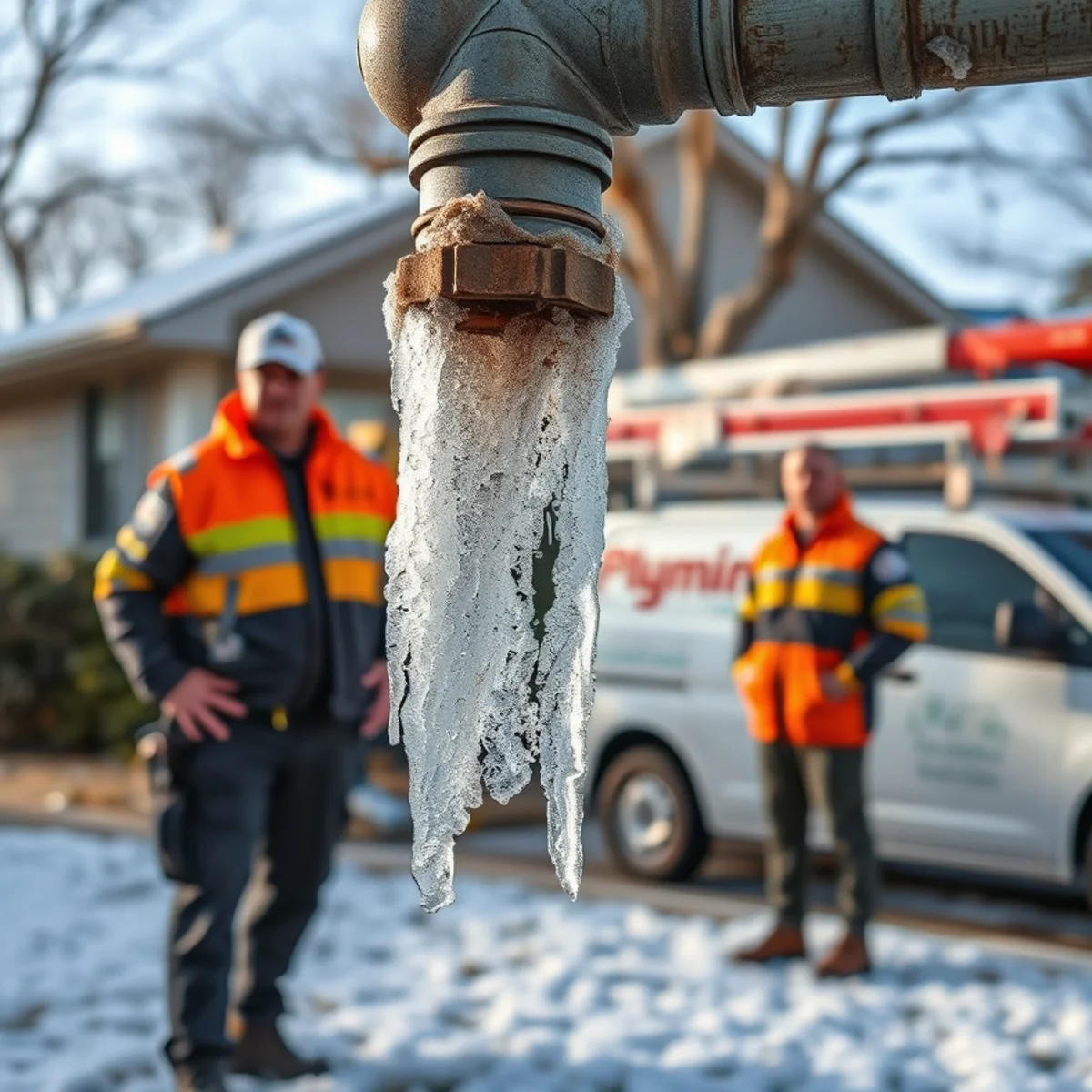
Winter Storm Uri put more than 100,000 Houston-area homes through a burst pipe in February 2021 — not because Texas doesn’t get cold, but because Texas homes aren’t built the way Minnesota homes are. Our pipes run through attics, garages, and exterior walls with minimal insulation, because on a normal winter that’s never a problem. It only takes one hard freeze, held long enough, to turn that design gap into a flooded ceiling.
You can’t control the weather, but you can close the gap before the next hard freeze arrives. This is a room-by-room checklist — not vague advice to protect your pipes, but the specific spots in a Texas home where freeze damage actually starts.
The Attic: Your Most Exposed Pipe Run
Attics are the single most common place we find freeze damage after a hard freeze, because supply lines often run through them with only the surrounding insulation — meant to keep conditioned air in, not pipes warm — for protection. Once attic temperatures drop toward freezing, an uninsulated or thinly insulated pipe run has nothing standing between it and ice.
- Wrap any exposed attic pipe with foam pipe insulation sleeves or heat tape rated for the run’s length.
- Check that insulation hasn’t shifted or been pushed aside by prior attic work — cable runs, storage boxes, HVAC service.
- Seal gaps where outside air leaks into the attic near the roofline. Moving cold air, not just cold temperature, is what freezes pipes fastest.
The Garage: Often the Least-Insulated Room in the House
Garages are conditioned as an afterthought in most Texas homes, and washing machine supply lines, utility sinks, and sometimes the water heater itself sit in that unconditioned space.
- Insulate any exposed supply lines running along garage walls or the ceiling.
- Keep the garage door closed as much as possible during a hard freeze — even a few degrees of wind block helps.
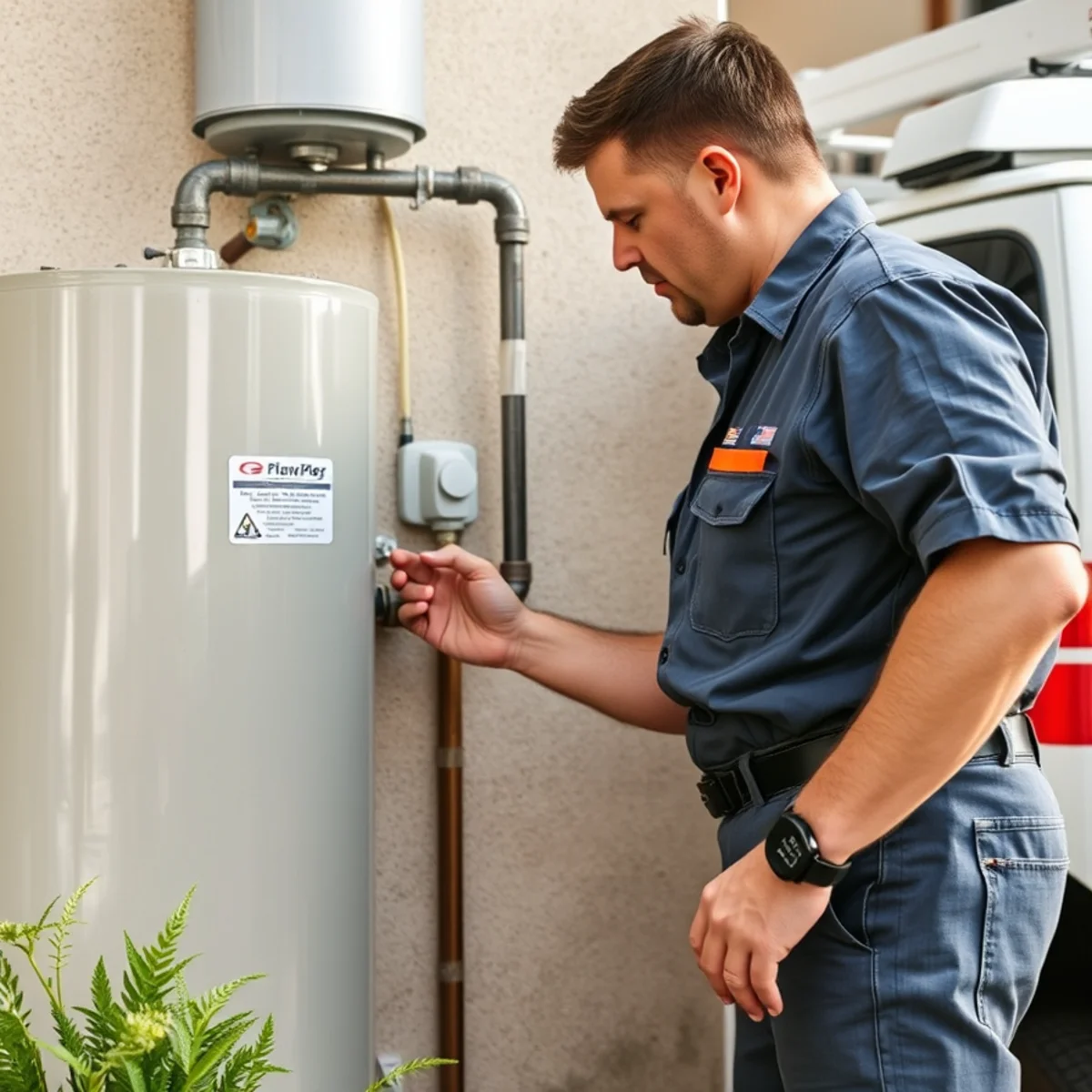
- If your water heater is in the garage, confirm the space around it has no direct path for outside air to reach the unit or its connections.
Exterior Walls: The Hidden Risk Inside the House
Kitchen and bathroom plumbing that runs through an exterior wall is exposed to outside temperatures even though it’s technically inside the house — a detail a lot of homeowners miss until a freeze finds it.
- Open cabinet doors under sinks on exterior walls during a hard freeze so warm household air can reach the pipes.
- Let a thin, steady drip run from any faucet fed by an exterior-wall line — moving water resists freezing far better than standing water.
- If a specific exterior-wall run has frozen or burst in a past winter, insulate that one first. Cold spots tend to repeat year after year.
Outdoors: Hose Bibs and the Parts You Can See
The outdoor connections are the easiest to forget because they’re out of sight most of the year.
- Disconnect garden hoses before the first freeze — a connected hose traps water in the bib and all but guarantees it freezes.
- Install foam faucet covers on every exterior hose bib.
- Shut off and drain any separate irrigation system supply line ahead of a hard freeze.
The 24 Hours Before a Freeze Warning
Texas freeze warnings usually give a day or two of notice. That’s enough time to run a short pre-freeze routine on top of the room-by-room checklist above:
- 1Disconnect and drain all garden hoses and store them in the garage.
- 2Set a slow drip on any faucet fed by an exterior-wall, attic, or garage line.
- 3Open cabinet doors under sinks on exterior walls.
- 4Confirm attic and garage insulation is still in place over exposed pipe runs.
- 5Locate your main shutoff valve and make sure it turns freely.
- 6Bring in or cover anything connected to an outdoor spigot, including irrigation backflow preventers.
Know Your Shutoff Before You Need It
Every freeze-proofing checklist should end here, because insulation and drips reduce risk — they don’t eliminate it. If a pipe does burst, the speed of your response decides whether it’s a wet spot or a flooded room. Know exactly where your main water shutoff valve is, confirm it still turns freely (a valve seized from disuse is a real risk we find often), and make sure everyone in the household knows where it is and how to use it.
This is the lesson Winter Storm Uri taught the whole city: preparation matters, but so does knowing what to do the moment something fails. If a freeze does get past your prevention, freeze damage pipe repair should be your next call — and in fast-growing areas like Jersey Village, where many homes are newer builds that still route pipe through unconditioned garages and attics, we see this exact failure pattern every winter. A line that has already split and thawed is really burst pipe repair: shut the main off fast, open a downstairs faucet to relieve pressure, and call us — the sooner the water stops, the less you lose.
Expert tip: Expert tip: Tape a card with your shutoff valve’s location next to the breaker panel. In a freeze emergency, people check the panel first — put the information where they’re already looking.
Frequently Asked Questions
How cold does it actually need to get for Texas pipes to freeze?
Should I really leave a faucet dripping all night during a freeze?
What’s the first thing to do if a pipe freezes but hasn’t burst yet?
Do newer homes in areas like Jersey Village still need this checklist?
Written by the Plumber Bellaire TX team
Licensed Texas master plumbers based on Newcastle Street in Bellaire. We’ve spent years working the slab leaks, repipes, and sewer lines this article covers — right here in the City of Homes.
(614) 830-0578