Pier-and-Beam vs. Slab: How Your Foundation Type Changes Your Plumbing Risk
Two houses on the same Bellaire block can have completely different plumbing risk, and the reason has nothing to do with age or pipe material. It's the foundation. A pier-and-beam home routes its pipes through a crawlspace; a slab home buries them in or under a concrete pad. Those are two fundamentally different systems, and each one fails in its own way.
Knowing which one you have — and a lot of Bellaire homeowners genuinely aren't sure — changes what symptoms to watch for and how a repair actually gets done.
Two Foundations, Two Different Pipe Paths
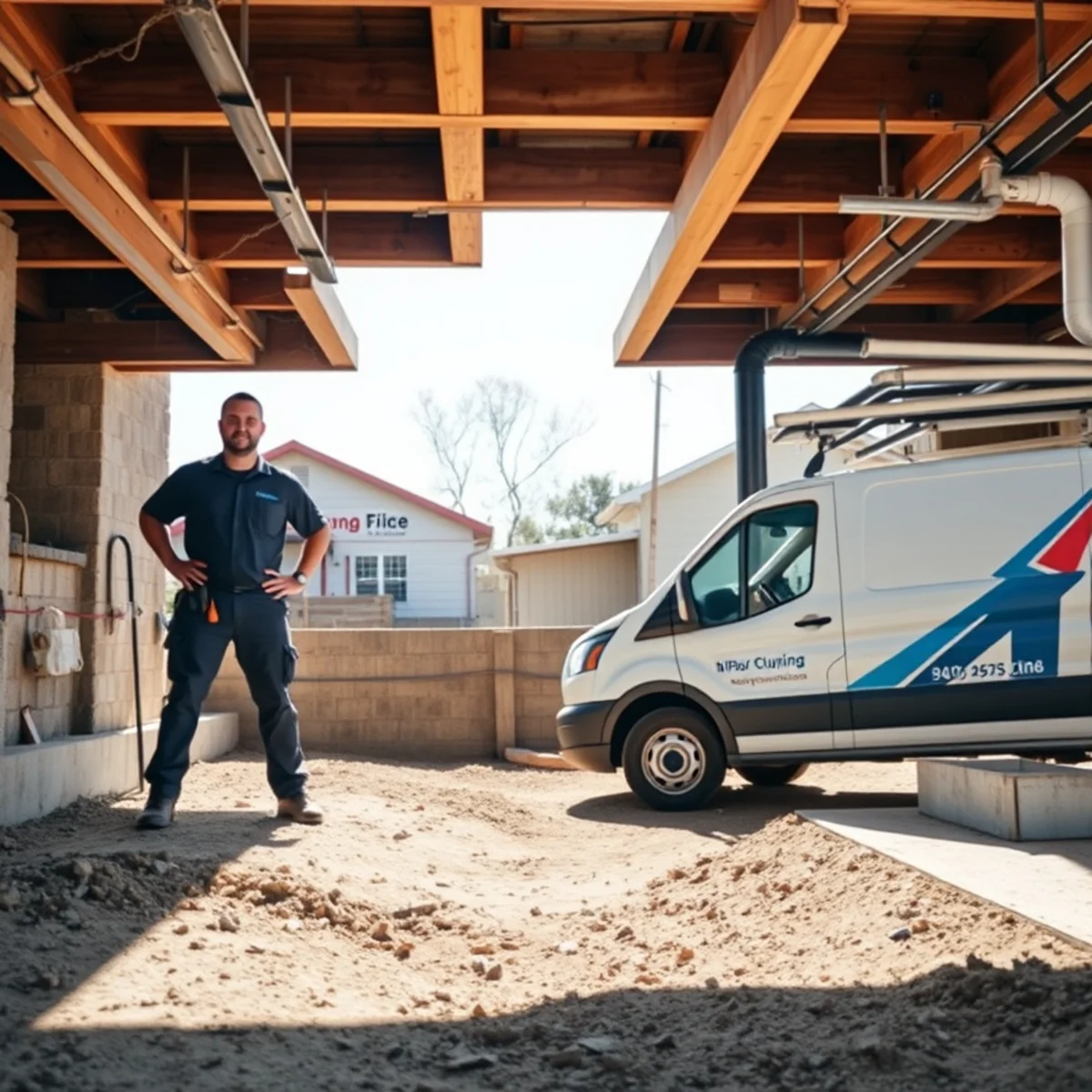
A pier-and-beam foundation raises the house on concrete or masonry piers, with the floor structure suspended over a crawlspace. Supply and drain lines run beneath the floor joists, inside that crawlspace, generally accessible if you can get under the house. A slab foundation is a concrete pad poured directly on prepared ground, with the plumbing either embedded in the concrete itself or running in the soil just beneath it before the pad was poured. Once that pad is down, the pipe is essentially locked in place.
Pier-and-Beam: Accessible, But Exposed
The advantage of pier-and-beam plumbing is access. A leaking joint under the house is usually a crawlspace repair, not a demolition project — no concrete cutting required. The tradeoff is exposure. Pipe running through a vented or semi-open crawlspace sits much closer to outside air temperature than pipe buried in soil or wrapped in a heated house, which makes pier-and-beam homes more vulnerable to freeze damage during events like Winter Storm Uri. Crawlspace moisture, ground contact, and pest access also take a toll on old galvanized supply lines and cast-iron drains over time, and sagging insulation around ductwork or pipe wrap in a crawlspace is a common, often-missed issue.
Slab: Protected, But Hidden
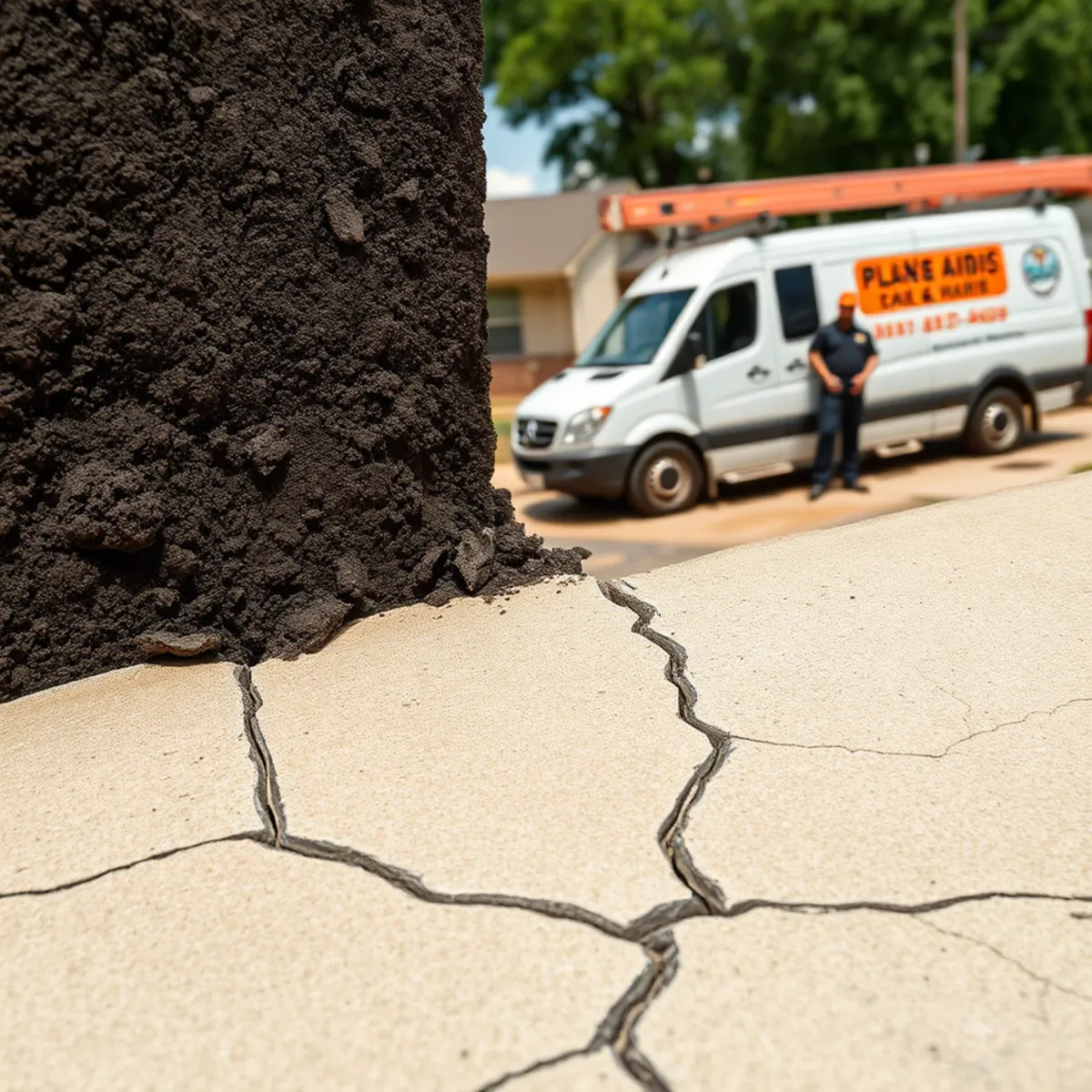
A slab moderates temperature swings well, since the pipe is surrounded by soil and concrete rather than open air, which is part of why slab homes fared somewhat better than pier-and-beam homes during hard freezes. The tradeoff is that a slab leak is invisible by definition until water finds its way to a visible spot — a warm patch of flooring, a crack in the tile, a spike in the water bill. Repair means either locating the leak precisely with electronic detection and cutting a small access point, tunneling under the slab from the perimeter, or rerouting the line overhead through the attic instead of going through the concrete at all.
Which Is More Common in Bellaire
Bellaire has a genuine mix, shaped by its build eras. Some of the earliest cottages built before and shortly after World War II used pier-and-beam construction, similar to the classic bungalows found in older inner-loop neighborhoods like The Heights. The bulk of Bellaire's postwar ranch boom from the 1950s and 1960s, though, was built on slab, which is why slab leaks tied to our expansive clay soil are such a common call across the city. Nearly all of the current wave of teardown-rebuilds use slab or engineered foundations as well, so the pier-and-beam share of Bellaire's housing stock keeps shrinking every year.
What a Pier-and-Beam Crawlspace Inspection Actually Covers
When we're called out to a pier-and-beam home, the crawlspace inspection covers more than just finding the active leak. We check pipe strapping and support — sagging galvanized line is a sign the hangers have failed or corroded — along with the condition of any insulation wrap, moisture barrier coverage on the ground, and whether standing water or pest activity has become a problem, since all of it affects how fast the pipe overhead deteriorates.
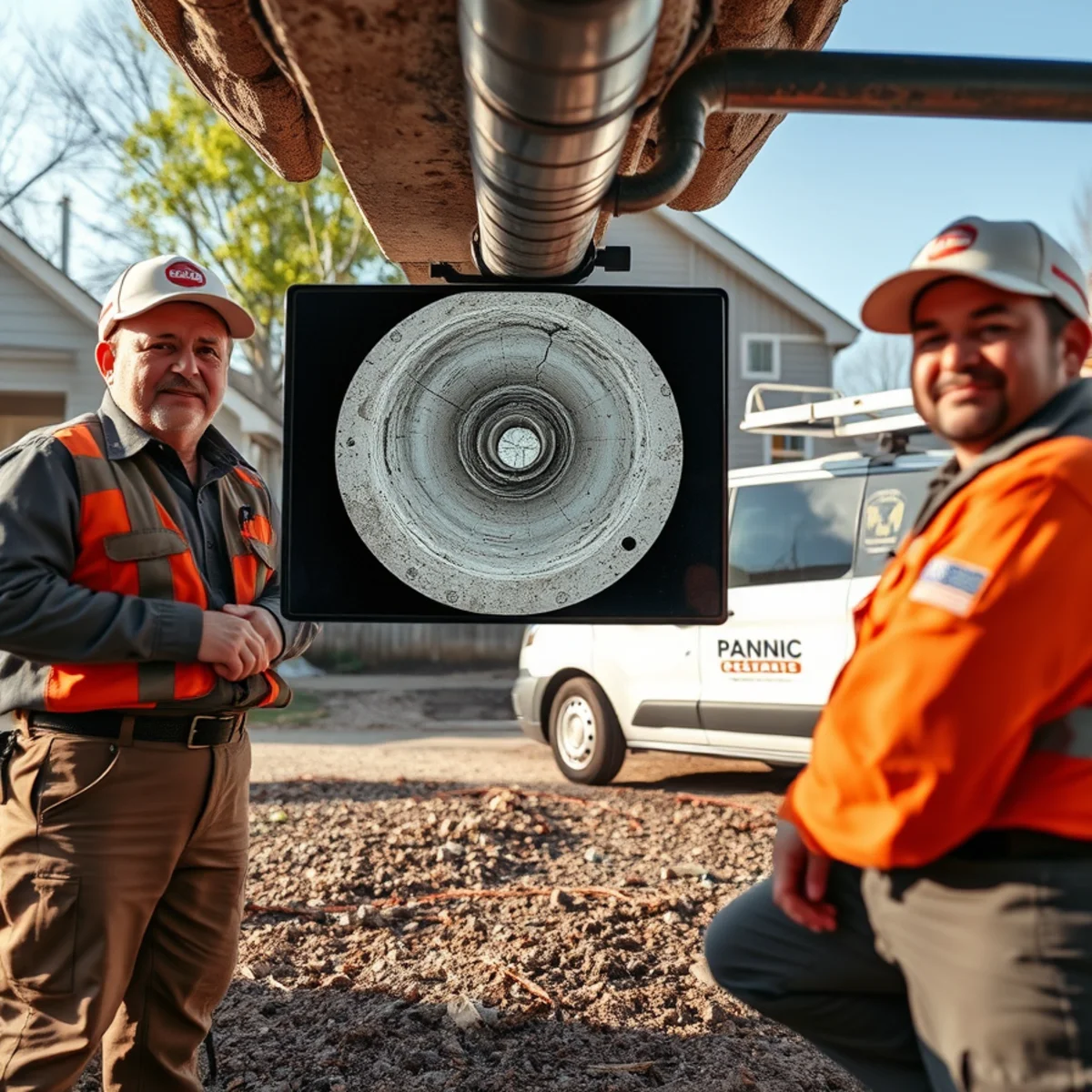
Cast iron drain lines get a closer look specifically, since a section corroding from the inside often shows exterior rust staining or a slightly different sound when tapped, before it ever visibly leaks. Catching that early, while it's still an accessible crawlspace repair as part of routine residential plumbing maintenance, is the entire advantage of pier-and-beam plumbing — it's only worth something if someone actually gets under the house to look periodically instead of waiting for a symptom upstairs.
Signs to Watch, by Foundation Type
- Pier-and-beam: sagging or bouncy floor sections, a musty crawlspace smell, visible corrosion or drips on pipe you can see from a crawlspace access panel
- Pier-and-beam: noticeably colder floors or frozen pipes after a hard freeze, since crawlspace plumbing is more exposed to outside temperatures
- Slab: a warm spot on the floor with no explanation, a water bill that climbs with no visible cause
- Slab: cracks that appear in flooring, tile grout, or nearby walls without an obvious cause
Cost Differences: Pier-and-Beam Repairs vs. Slab Leak Repairs
Cost is often the real question underneath "which foundation is better," and the honest answer favors pier-and-beam for a simple reason: almost all the expense in a slab repair comes from reaching the pipe, not fixing it. A pier-and-beam repair is typically labor and materials only — no concrete cutting, no flooring replacement, no patch to match — which keeps most crawlspace repairs meaningfully cheaper than a comparable slab leak.
A slab leak adds electronic detection, then a repair method (a concrete cut, a tunnel from the slab edge, or an overhead reroute) on top of the plumbing fix itself, plus flooring or tile replacement afterward if the leak sits under a finished room. If a slab home's pipe run has failed in multiple places — common once original galvanized or copper crosses the 40-to-50-year mark — a full repiping with an overhead reroute can run in the $4,000 to $10,000 range, which is often more cost-effective long-term than repeatedly cutting the same aging slab for one leak after another.
None of this is an argument for choosing a foundation type based on plumbing risk alone — pier-and-beam and slab each come with their own structural, cost, and resale tradeoffs well beyond what's under the floor. It's simply useful to know which repair conversation you're likely to have before you're already having it.
The Repair Approach Changes With the Foundation
On a pier-and-beam home, most leaks are a straightforward crawlspace access repair. On a slab, it usually starts with electronic slab leak detection & repair to pinpoint the exact location before anyone decides between a small concrete cut, a tunnel from the edge of the slab, or an overhead reroute. Knowing your foundation type before you call — and most Bellaire homeowners can tell by whether there's a crawlspace access panel or vents around the base of the house — helps us show up with the right equipment the first time.
Expert tip: Never assume a slab-leak repair approach on a pier-and-beam home, or vice versa — the diagnostic tools and the fix are different for each, and using the wrong approach wastes time and money.
Frequently Asked Questions
Which foundation type is more prone to plumbing problems, pier-and-beam or slab?
Can pier-and-beam pipes freeze more easily than slab pipes?
How do you fix a leak in a slab foundation?
Does Bellaire have pier-and-beam homes?
Is it cheaper to repair pier-and-beam plumbing than a slab leak?
Written by the Plumber Bellaire TX team
Licensed Texas master plumbers based on Newcastle Street in Bellaire. We’ve spent years working the slab leaks, repipes, and sewer lines this article covers — right here in the City of Homes.
(614) 830-0578