Cast Iron Sewer Lines in 1950s Bellaire Homes: Repair or Replace?
You called two plumbers about the same sewer backup and got two different answers. One says a spot repair will hold for years. The other wants to replace the whole line. In Bellaire, where original cast iron sewer laterals are now 65 to 75 years old, both answers can be correct — for different pipes.
The real answer isn't a matter of opinion. It depends on where the pipe is failing and how much of it is affected, and the only honest way to know that is to look inside with a camera before recommending anything. Here's how we make that call, and what separates a pipe that needs a repair from one that needs to come out.
How Cast Iron Sewer Pipe Actually Fails
Cast iron sewer pipe corrodes from two directions at once. Hydrogen sulfide gas produced by wastewater attacks the top interior surface of the pipe, a process plumbers call crown rot, thinning the pipe wall from the inside out. Meanwhile, Bellaire's expansive clay soil swells and shrinks with every wet and dry cycle, putting constant stress on the joints between pipe sections from the outside.
Most cast iron sewer pipe has a functional service life of 50 to 75 years in this kind of soil. A line installed when a Bellaire ranch home was built in the 1950s is now at or past that mark, which is exactly why sewer camera calls in older neighborhoods have become so routine.
What a Camera Inspection Actually Tells Us
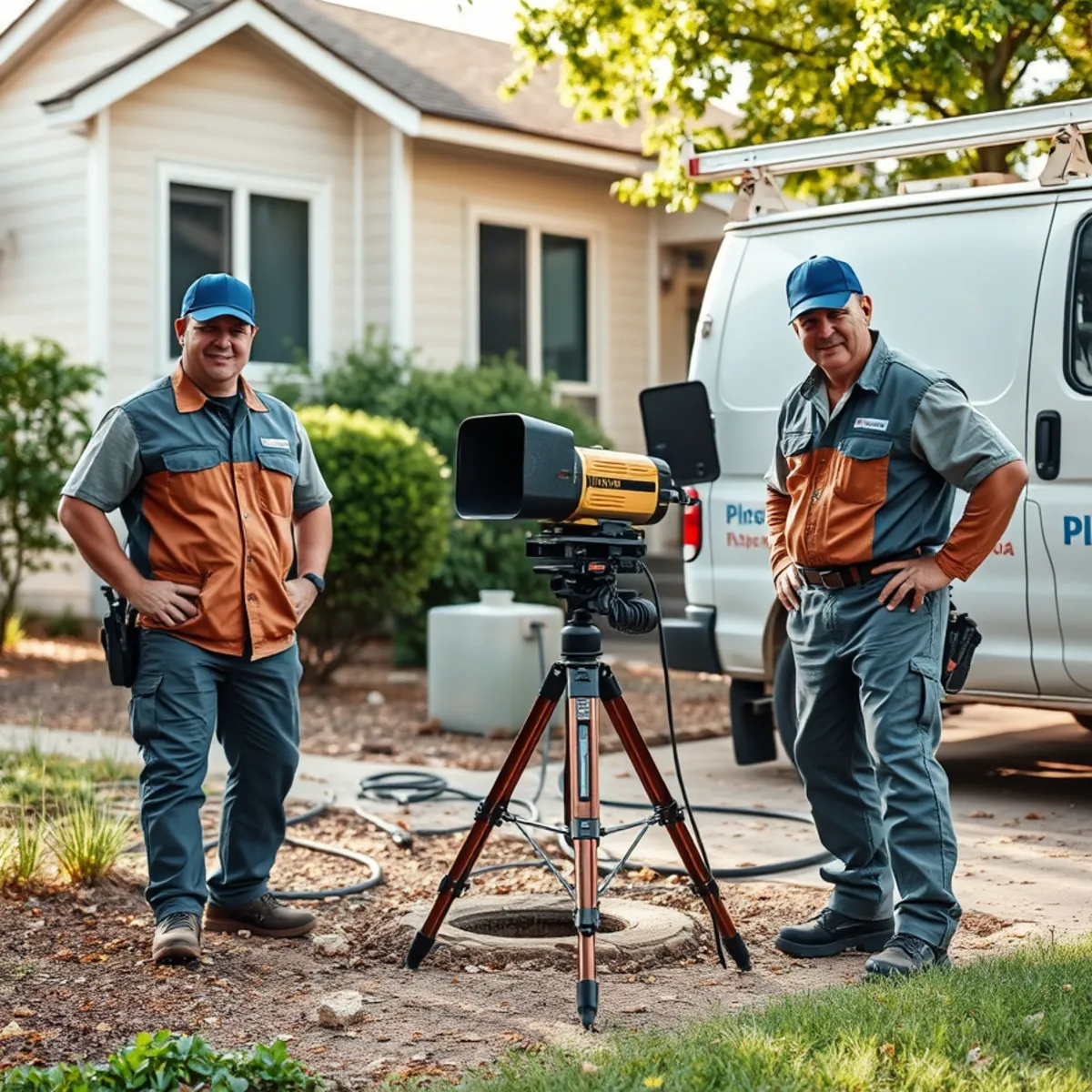
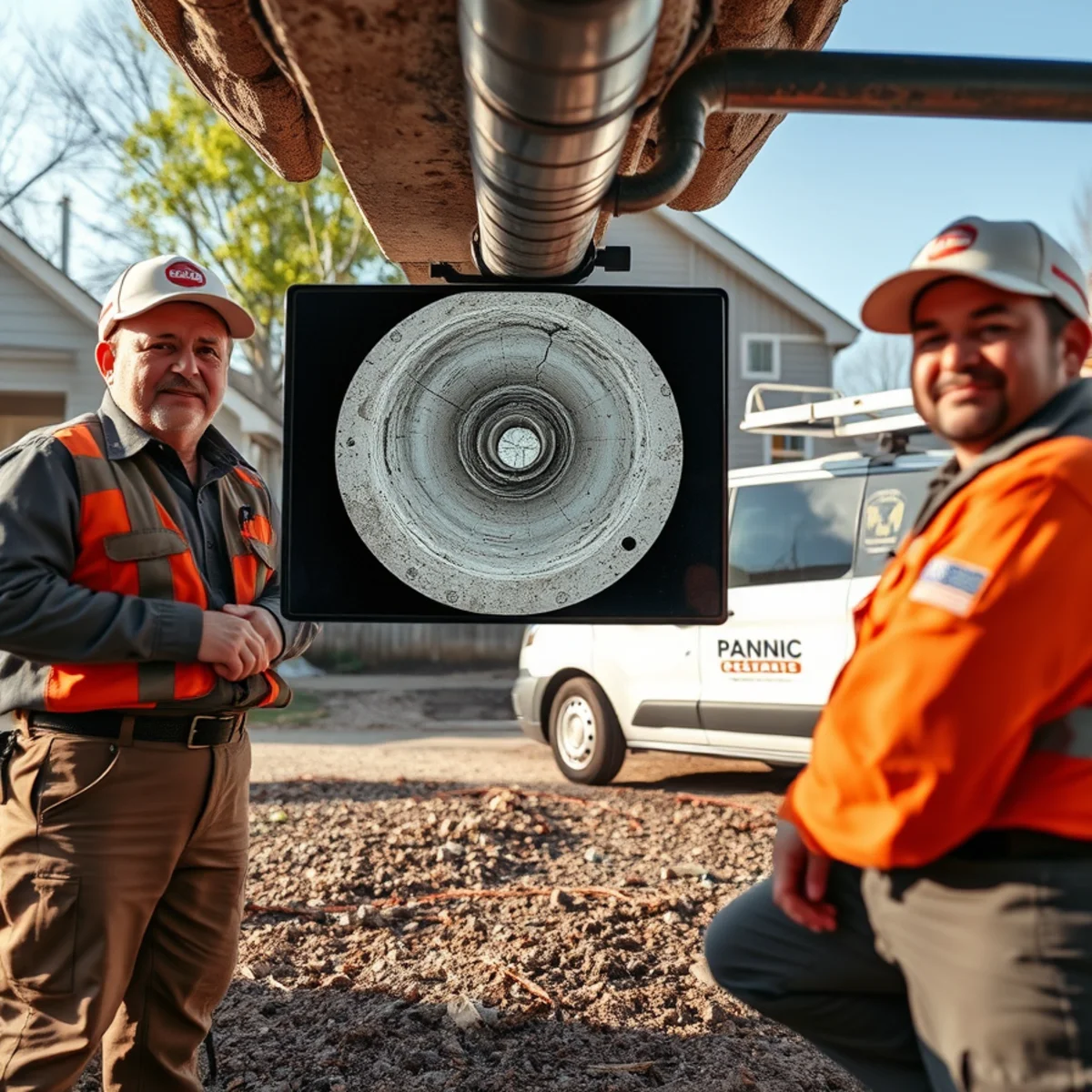
We feed a camera through the full length of the line and watch the footage in real time. What we're looking for isn't just whether there's damage, it's whether that damage is localized or spread across the run. A single cracked joint or one offset section from soil movement looks very different on camera than a pipe with thinned walls and multiple failure points throughout.
That distinction is the entire basis for a repair-or-replace recommendation. We'd rather show you the footage and explain what we're seeing than ask you to take our word for it.
When a Spot Repair Is the Right Call
If the camera shows one or two isolated problems, such as a cracked joint, a small offset, or a section a root has broken into, and the rest of the line tests structurally sound, a targeted trenchless spot repair is usually the right move. It addresses the actual failure point, costs a fraction of full replacement, and doesn't require trenching your whole yard.
Expert tip: A spot repair only makes sense if the rest of the line is sound. Patching one failure point on a pipe that's failing everywhere just means we'll be back for the next spot next year.
When Full Replacement Is the Honest Answer
When corrosion and bellying show up throughout the run, or a line has already had two or three spot repairs and keeps producing new problems, full replacement is the more honest recommendation even though it costs more upfront. This comes up often in neighborhoods like Braeburn Gardens, where many homes still have their original 1950s-era laterals that were never touched during a renovation.
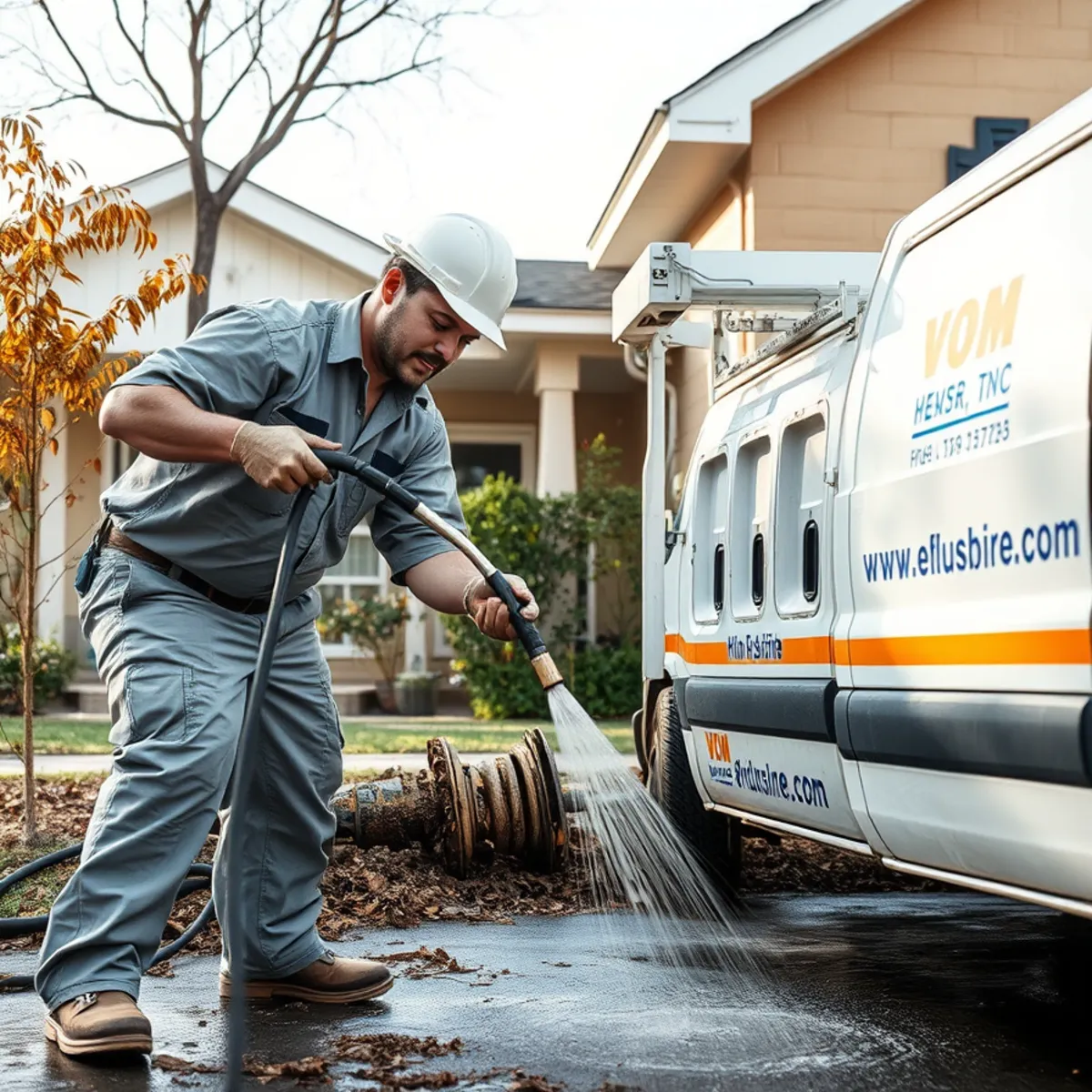
Modern trenchless replacement methods mean this doesn't always require digging up the entire yard. In many cases a new line can be pulled through the old one's path. We walk through sewer line repair & replacement options based on exactly what the camera shows, not a blanket recommendation.
Trenchless vs. Open-Trench: Why the Method Matters as Much as the Verdict
Repair-or-replace is the first decision, but for many Bellaire homeowners the second one, how the fix actually gets done, matters just as much. Open-trench work digs along the pipe's full path and is often the simpler, lower-cost approach per foot when the run is short and easy to reach. Trenchless methods, pipe bursting or cured-in-place lining, pull or form a new pipe through the old one's path using a couple of small access pits instead of a trench the length of your yard.
Trenchless isn't always the right call. A line that's collapsed rather than just corroded, or one running under a structure that blocks a straight pull path, sometimes needs open access to fix properly. What decides it is the same camera footage that decided repair versus replacement in the first place, not a blanket preference for the less disruptive option.
- A short, easily accessible run often favors open-trench on cost alone.
- A line under mature trees, a driveway, or finished landscaping usually favors trenchless to avoid restoration costs.
- A fully collapsed section may need open access regardless of what it costs to disturb the yard.
- Multiple bends or tight connections can limit which trenchless method will actually work.
What We Actually Check Before Putting a Number On It
A rushed diagnosis stops at the first problem the camera finds. A thorough one keeps going. Before we recommend repair or replacement on a Bellaire sewer line, here's what actually gets checked:
- The full length of the line from the house to the city tap, not just as far as the first crack or root mass, since a second problem further down changes the recommendation.
- The exact distance from the cleanout to each defect, measured off the camera's built-in counter, so any dig is targeted instead of exploratory.
- Whether the pipe is bellied along the way, which shows up as standing water on camera even when the pipe walls themselves look intact.
- Grade and slope across the run, since a line installed with insufficient fall can look fine on camera and still drain poorly.
- Any prior repair sections, which sometimes show a different pipe material spliced in and tell us how the line has already been patched before we got there.
Expert tip: If a backup happens before an inspection can be scheduled, that's an active emergency, not something to wait out. Our sewer backup emergency response gets someone out fast so the camera work and the recommendation can still happen the right way, just sooner.
Questions to Ask Before You Agree to Either
Before signing off on a repair or a replacement, these questions separate a camera-based diagnosis from a guess:
- Did they run a camera, and can they show you the footage?
- How many separate failure points did they find, and where?
- Is the pipe bellied — sagging and holding standing water — or just cracked?
- Has this line been spot-repaired before, and if so, how many times?
- Is the quote tied to specific findings on the footage, or a flat estimate?
Frequently Asked Questions
How long do cast iron sewer lines actually last?
Can a cracked cast iron sewer line be repaired without digging up my yard?
What's a sewer belly, and why does it matter?
How do you decide between repair and replacement cost-wise?
Written by the Plumber Bellaire TX team
Licensed Texas master plumbers based on Newcastle Street in Bellaire. We’ve spent years working the slab leaks, repipes, and sewer lines this article covers — right here in the City of Homes.
(614) 830-0578