Whole-House Repipe Cost in Bellaire: PEX vs. Copper Pricing
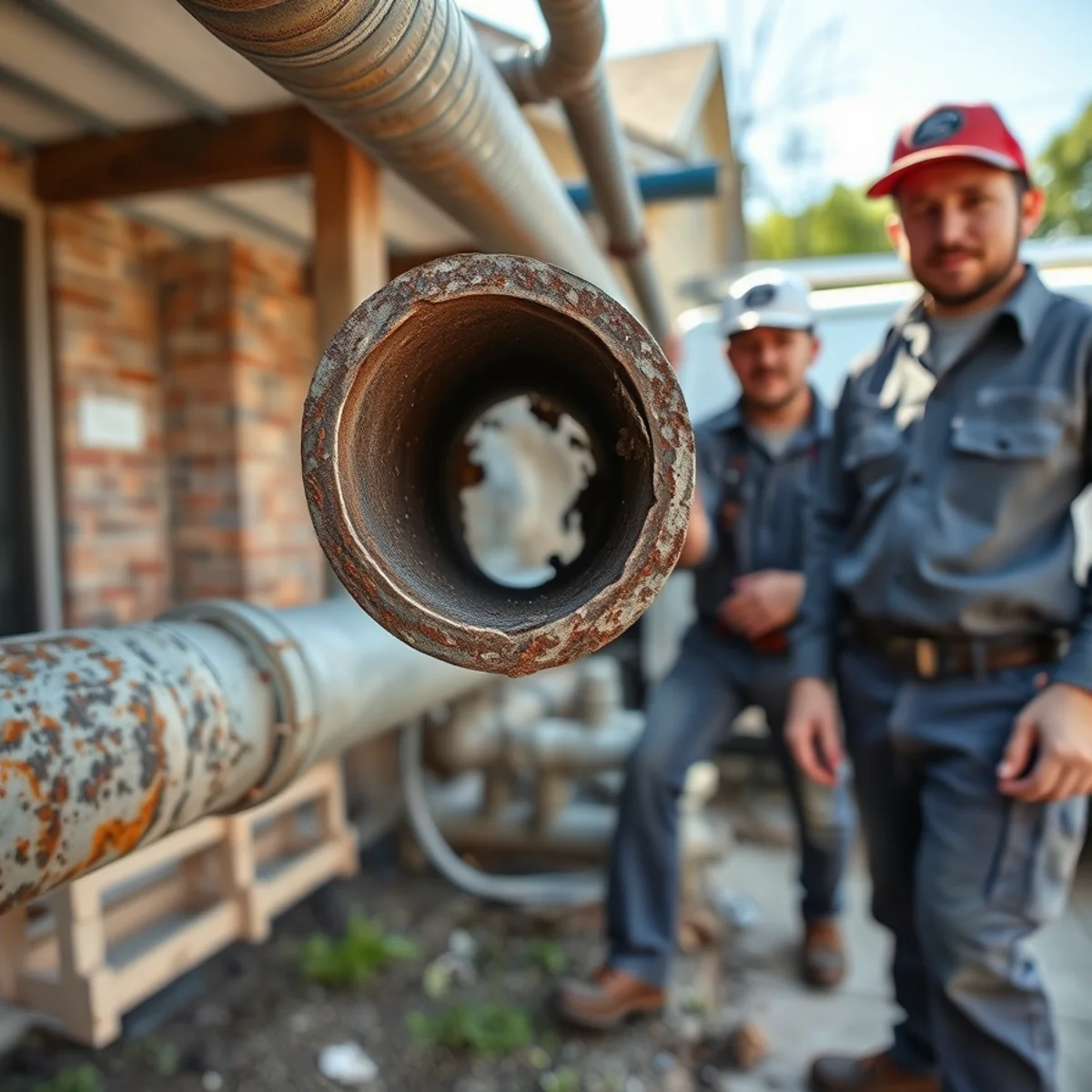
Rust-colored water when you first turn on a faucet. Water pressure that drops the moment someone flushes a toilet. A string of pinhole leaks in the same few years. These are the classic signs of failing galvanized supply lines in a Bellaire home, and once you've seen two or three of them, the question stops being "should I repipe" and becomes "what will it cost." A whole-house repipe in Bellaire typically runs $4,000 to $10,000, starting around $4,500 for a smaller home, with the final number driven mostly by home size and the material you choose.
That choice usually comes down to PEX versus copper. Both are legitimate options, and a licensed plumber can install either one well. But they price out differently, they handle Bellaire's clay soil and older wall cavities differently, and the gap between them is worth understanding before you sign a contract.
What Drives Whole-House Repipe Cost
Home size is the biggest factor — more fixtures and more linear feet of pipe means more material and more labor hours. A one-bath 1950s ranch repipes for less than a two-story, three-bath teardown-rebuild on the same street.
Access matters almost as much. A repipe that can run through open attic space and drop down inside walls is faster and cheaper than one that requires opening finished ceilings, tunneling under a slab, or working around a pier-and-beam foundation's crawlspace.
Expect the bill to include material, labor, and — if your plumber opens walls or ceilings to run new lines — a line item for patching drywall. Ask upfront whether patch-and-texture work is included or billed separately, since that gap can be a few hundred dollars either way.
PEX vs. Copper: Cost and Performance
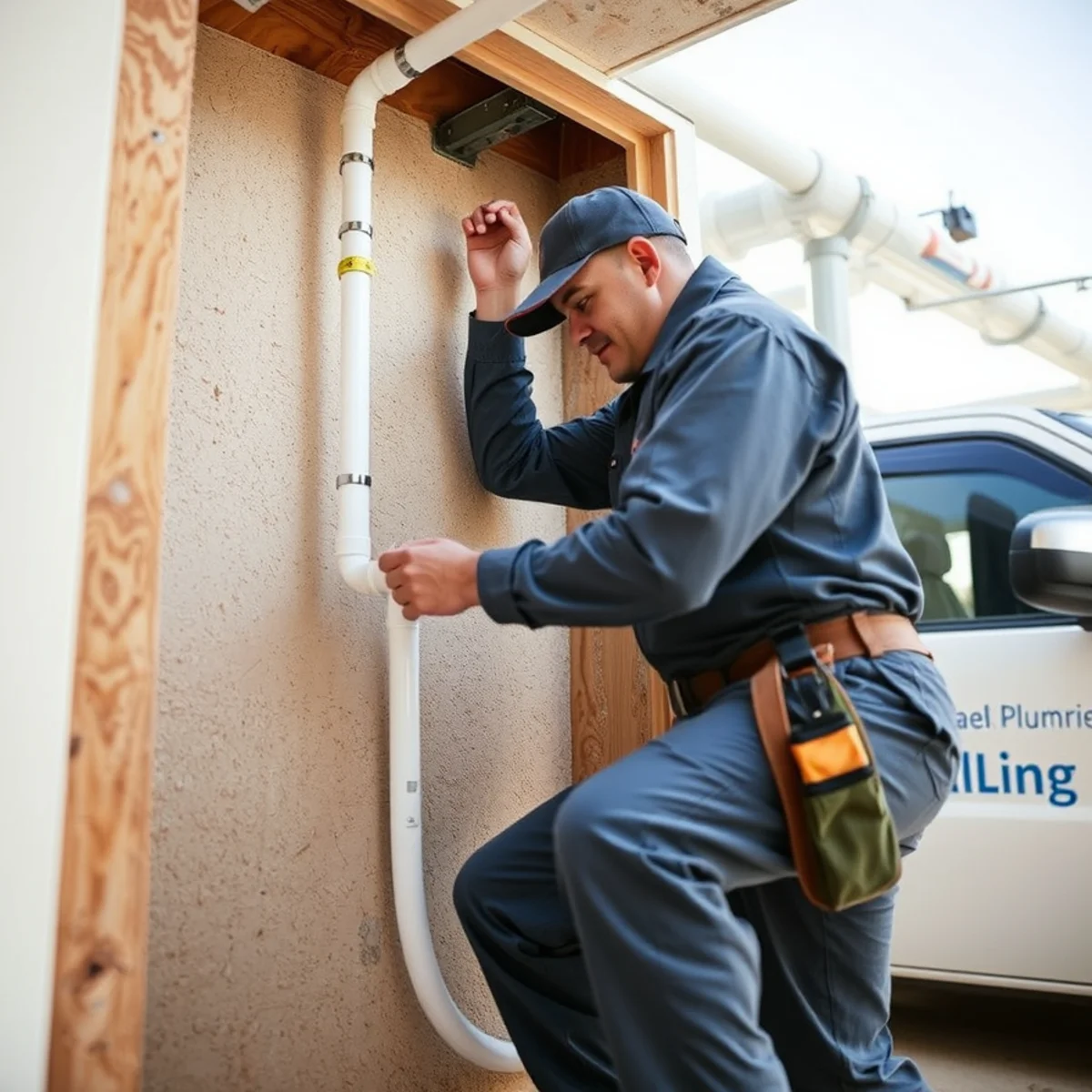
PEX-A tubing is the material we recommend for most Bellaire repipes. It costs less than copper per foot, it's flexible enough to snake through existing wall cavities with fewer fittings and joints, and fewer joints means fewer future leak points. It also expands slightly if water freezes inside it, which reduces — though doesn't eliminate — burst risk during a hard freeze like Winter Storm Uri.
Copper is the traditional choice and still a sound one. It costs more in both material and labor, since copper runs are soldered rather than crimped, which takes longer per joint. Copper price also tracks the commodity metals market, so quotes can shift more than PEX quotes do. Where copper still wins is exposed runs — it resists UV and physical damage better than PEX, which matters in a garage or mechanical room.
For a typical enclosed-wall whole-home repipe, PEX-A usually comes in lower on both material and labor. Copper narrows or closes that gap mainly on short, exposed runs.
What Pushes a Repipe Quote Higher
- Two-story homes, which need more vertical runs and more access points.
- Slab foundations, where lines run through walls and attic rather than a crawlspace.
- Older homes with plaster walls instead of drywall, which are slower to open and patch.
- Permit fees, required for whole-home repipes in Bellaire and surrounding cities.
- Upgrading old ½-inch trunk lines to ¾-inch for better pressure at multiple fixtures.
Expert tip: Ask whether your repipe uses a home-run manifold system. It costs a bit more in PEX tubing upfront but lets you shut off water to one fixture — a toilet, a dishwasher — without killing pressure to the rest of the house.
How Long a Repipe Takes
Most whole-house repipes in Bellaire take two to four days for the plumbing itself, depending on home size and access. Water is typically off for portions of each day rather than the entire project, and a good crew sequences the work so you have water restored each night. Drywall patching, texture matching, and paint — if part of your contract — usually add another day or two after the plumbing is signed off.
Repipe vs. Repeated Spot Repairs: Doing the Math
Homeowners rarely decide to repipe out of nowhere — it's usually the third or fourth call about a pinhole leak that makes the math obvious. A single galvanized pipe spot repair often runs a few hundred to a couple thousand dollars depending on access. Multiply that by two or three leaks over three or four years, on top of the water damage each one causes to drywall, flooring, or a ceiling below, and a homeowner can spend a meaningful chunk of a repipe's cost without ever fixing the underlying problem.
A whole-house repipe at $4,000 to $10,000 looks like the bigger number in isolation. It stops being the bigger number once you count what repeated emergency calls, water damage repair, and the inevitable next leak actually cost over five years — and it comes with better water pressure and the end of rust-colored water as a bonus most homeowners don't fully appreciate until it's gone. If a slab leak detection inspection is what surfaced the galvanized pipe problem in the first place, that report is worth handing your repipe contractor — it already tells them where the worst sections are.
What a Fair Repipe Quote Spells Out
A repipe quote should tell you more than a single total. Ask to see it broken into material, labor days, drywall access and patch work, fixture reconnection, permit fees, and warranty terms — both on materials and on labor separately, since they're not always the same length.
Confirm who's on the crew, too. A whole-house repipe should be performed and supervised by a licensed Texas plumber, not handed off entirely to unlicensed helpers because it's viewed as repetitive work. The permit and final inspection are your backstop here — a job that passes city inspection has at least been checked against code by someone other than the company that installed it.
- 1Is this PEX-A, PEX-B, or copper — and is the manifold home-run or trunk-and-branch?
- 2Does the price include drywall patching and texture matching, or is that billed separately?
- 3How many days will water be off, and for which parts of the house each day?
- 4What's the warranty on labor versus the manufacturer warranty on the pipe itself?
- 5Is the permit fee included in the quote, and who schedules the inspection?
Expert tip: Get at least two quotes before committing to a repipe. The spread between bids is often less about who's overcharging and more about what's included — ask each company to itemize before you compare the bottom line.
Is a Repipe Worth It for an Older Home
If you're still calling a plumber for a pinhole leak every year or two, run the math: a handful of emergency spot repairs on galvanized pipe can approach repipe cost within a few years, without ever fixing the underlying problem. A repipe is also one of the improvements buyers and inspectors specifically ask about in Bellaire's older-home market, alongside foundation and roof condition. We handle whole-house repiping across Bellaire and neighboring Westbury, where the same 1950s–60s galvanized supply lines are common.
Frequently Asked Questions
How much does a whole-house repipe cost in Bellaire?
Is PEX or copper better for a Bellaire home?
Do I have to move out of my house during a repipe?
Will repiping increase my home's resale value?
Can I repipe only part of my house instead of the whole system?
Written by the Plumber Bellaire TX team
Licensed Texas master plumbers based on Newcastle Street in Bellaire. We’ve spent years working the slab leaks, repipes, and sewer lines this article covers — right here in the City of Homes.
(614) 830-0578