Sewer Line Replacement Cost in Bellaire: Camera Inspection to Final Bill
Slow drains in every fixture at once. A gurgle from the toilet when the washing machine drains. A sewage smell in the yard after it rains. These point toward the main sewer line, and the first question after "what's wrong" is almost always "what is this going to cost." There's no single answer — sewer line repair or replacement in Bellaire spans a wide range depending on what a camera finds — but there is a clear process for getting from a vague worry to an accurate number.
That process starts underground with a camera, not with a shovel. Here's how a sewer line problem gets diagnosed and priced in a Bellaire home, and why the camera inspection is the step that determines almost everything that follows.
Step One: The Camera Inspection
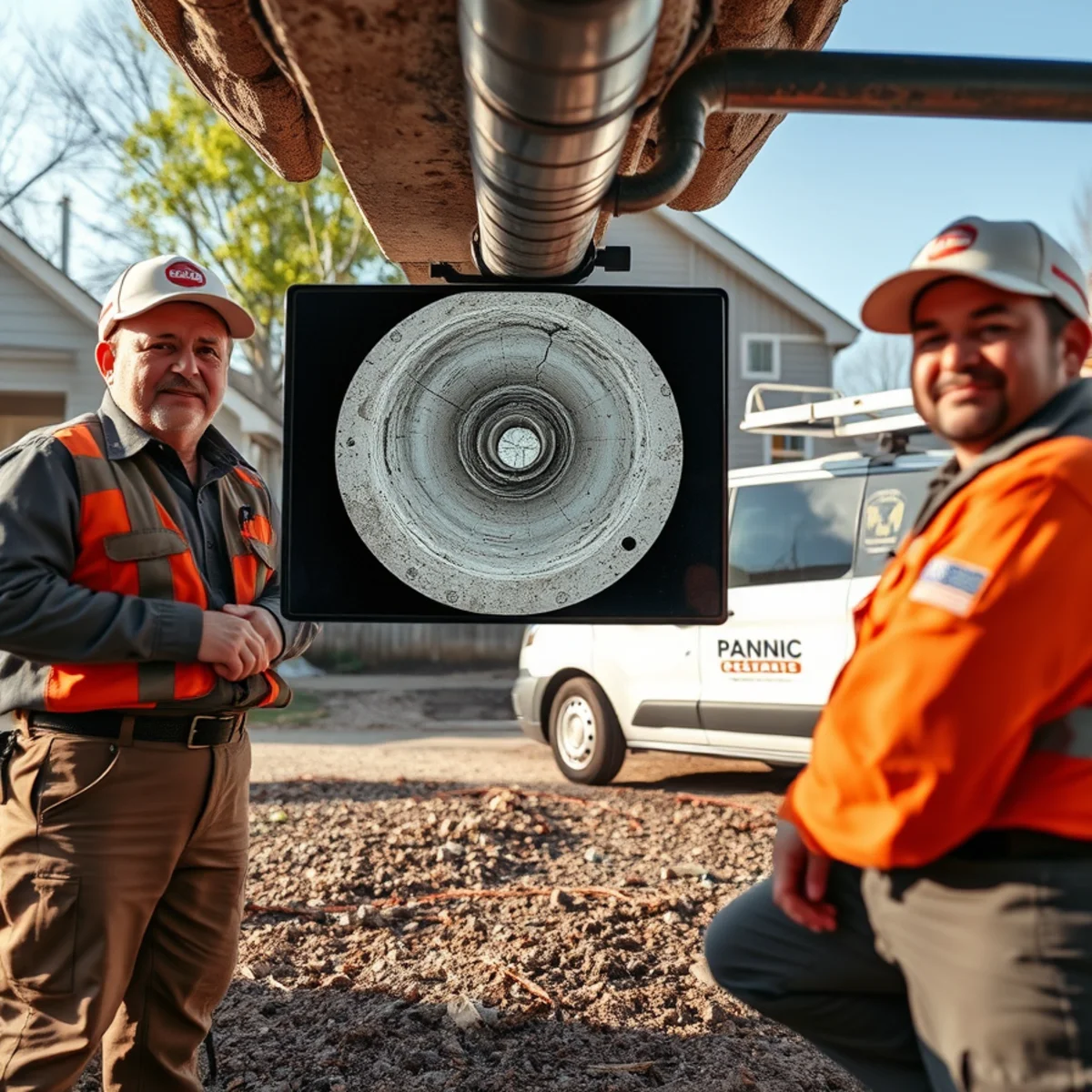
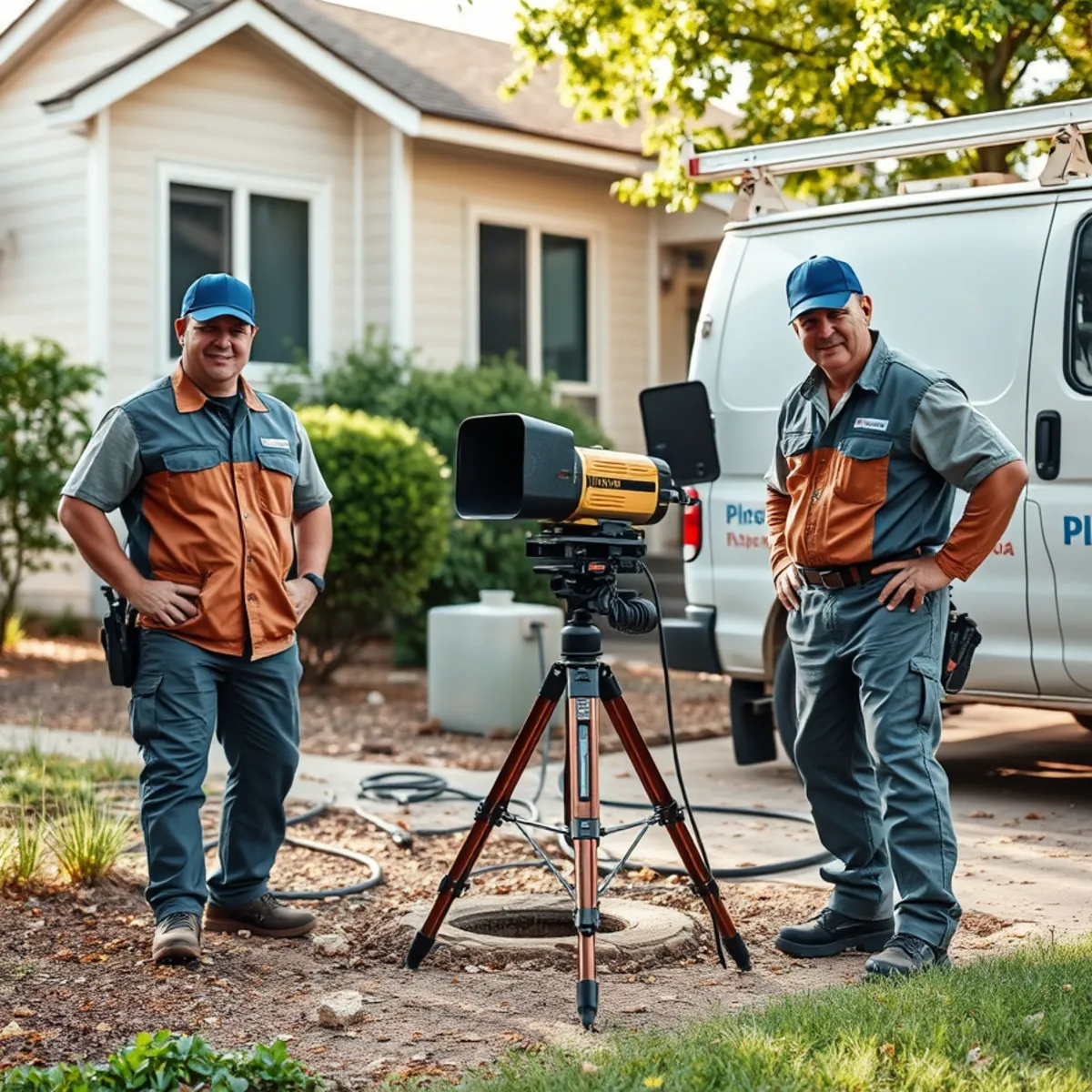
A sewer camera inspection threads a waterproof camera through your cleanout to look directly at the inside of the pipe. It typically costs a modest flat fee, and many companies — including ours — credit it toward the repair if you move forward with the same plumber. This step matters because it replaces guesswork with a picture: root intrusion at a specific joint, a cracked or bellied section, an offset from soil movement, or a fully collapsed run. Without it, any repair estimate is a guess dressed up as a number.
Spot Repair vs. Full Line Replacement
If the camera shows one isolated problem — a single root intrusion point or one cracked joint — a spot repair that excavates and fixes just that section is usually the lower-cost path. But cast iron and clay sewer lines from Bellaire's original 1950s–70s construction tend to degrade along their whole length at a similar rate, since they were installed at the same time and have faced the same soil conditions for decades. One confirmed problem area is often a preview of the next one, which is why a plumber may recommend full line replacement even when only part of the pipe is currently failing — it can cost less over five years than a spot repair now and another in two years.
Trenchless vs. Open-Trench Replacement
Open-trench replacement digs up the yard along the length of the pipe — the most direct method, and often the lower cost per linear foot when the run is short and easy to access. Trenchless methods, like pipe bursting or cured-in-place lining, pull or form a new pipe through the old one's path through a couple of small access pits. Trenchless typically costs more per foot of pipe but can cost less overall once you account for what open-trench work disturbs — mature trees, a driveway, a patio, or foundation-adjacent soil that would otherwise need full restoration after the dig.
- Depth of the line — deeper runs near the home's foundation cost more to access safely.
- Total length of pipe that needs repair or replacement.
- Soil conditions — Bellaire's expansive clay adds difficulty compared to sandier soils.
- Number of bends, connections, and cleanouts along the run.
- What sits above the line — driveway, mature trees, or landscaping that needs restoration.
- Permit and inspection fees, required for sewer line work in Bellaire and Houston.
Expert tip: Confirm your contractor is pulling a permit before work starts. Unpermitted sewer work can become a real problem at resale, when a buyer's inspector or the city asks for records that don't exist.
Two Camera Inspections, Two Very Different Jobs
Picture two camera inspections in the same week, both starting with the same complaint — slow drains and a bad smell in the yard. The first finds a single root intrusion at one pipe joint on an otherwise sound clay line under a driveway in Southdale. That's a candidate for a spot repair or even a trenchless point repair — access one section, fix the joint, done in a day.
The second finds a cast iron line that's bellied — sagging in the middle from decades of soil movement — across a long run, with scale buildup narrowing the pipe at two more joints. Patching one section wouldn't fix the belly, and the belly is what's causing solids to collect and back the whole line up. That's a full-replacement conversation, not a spot-repair one, even though both homeowners called with the exact same symptoms. The camera is what tells you which conversation you're actually having.
It's also worth ruling out the simpler explanation first: if only one or two fixtures are slow rather than the whole house at once, that's often a localized clog handled with drain cleaning rather than a main line problem worth a camera inspection at all.
Timeline follows the same split as cost. A spot repair or a short trenchless point repair is often a one-day job once the camera work is done. A full replacement runs longer — sometimes several days between excavation or bursting, pipe installation, inspection, and backfill — and open-trench jobs typically take longer to fully restore than trenchless ones, since there's more yard, driveway, or landscaping to put back the way it was. Weather and city inspector scheduling can add a day or two on either method, which is worth building into your expectations rather than treating the first estimate as a hard deadline.
Questions to Ask Before You Approve the Work
A rushed sewer line decision is where homeowners overpay — either for more excavation than the problem needs, or for a spot repair that doesn't hold. Before you sign anything, get clear answers on a few points, and get the answers in writing on the estimate itself rather than as a verbal promise from whoever's standing in your yard. A company confident in its diagnosis will walk you through the footage and explain its reasoning without being asked twice.
- 1Ask to see the camera footage yourself, not just a verbal summary of what it found.
- 2Ask why a spot repair versus full replacement is being recommended for your specific footage.
- 3Get trenchless and open-trench pricing side by side, including restoration costs for either method.
- 4Confirm the permit is included in the quote and who schedules the city inspection.
- 5Ask about warranty length on the pipe and on the workmanship separately.
- 6Ask what restoration is included for your yard, driveway, or landscaping once the pipe work is done.
Expert tip: If a company recommends full replacement without showing you camera footage first, ask to see it before you agree. A confident diagnosis should have a picture behind it, and a copy of that footage is worth keeping for your own records regardless of which path you choose.
What This Looks Like on Your Invoice
Because the range between a small spot repair and a full trenchless replacement is wide, resist any quote given over the phone without a camera inspection first. A fair process looks like this: camera inspection and diagnosis, a written estimate that separates spot repair from full replacement options, and a final price based on what the pipe actually needs — not a flat number applied to every sewer call. We provide sewer line repair & replacement across Bellaire, including older homes in Bellaire Oaks where original cast iron lines are common.
Frequently Asked Questions
How much does a sewer camera inspection cost?
Is trenchless sewer repair worth the extra cost?
Why do sewer lines fail so often in older Bellaire homes?
Will insurance help cover sewer line replacement?
Is a sewer line problem an emergency, or can it wait for a scheduled appointment?
Written by the Plumber Bellaire TX team
Licensed Texas master plumbers based on Newcastle Street in Bellaire. We’ve spent years working the slab leaks, repipes, and sewer lines this article covers — right here in the City of Homes.
(614) 830-0578