Sewage Backing Up Into Your Tub? A Bellaire Emergency Action Plan
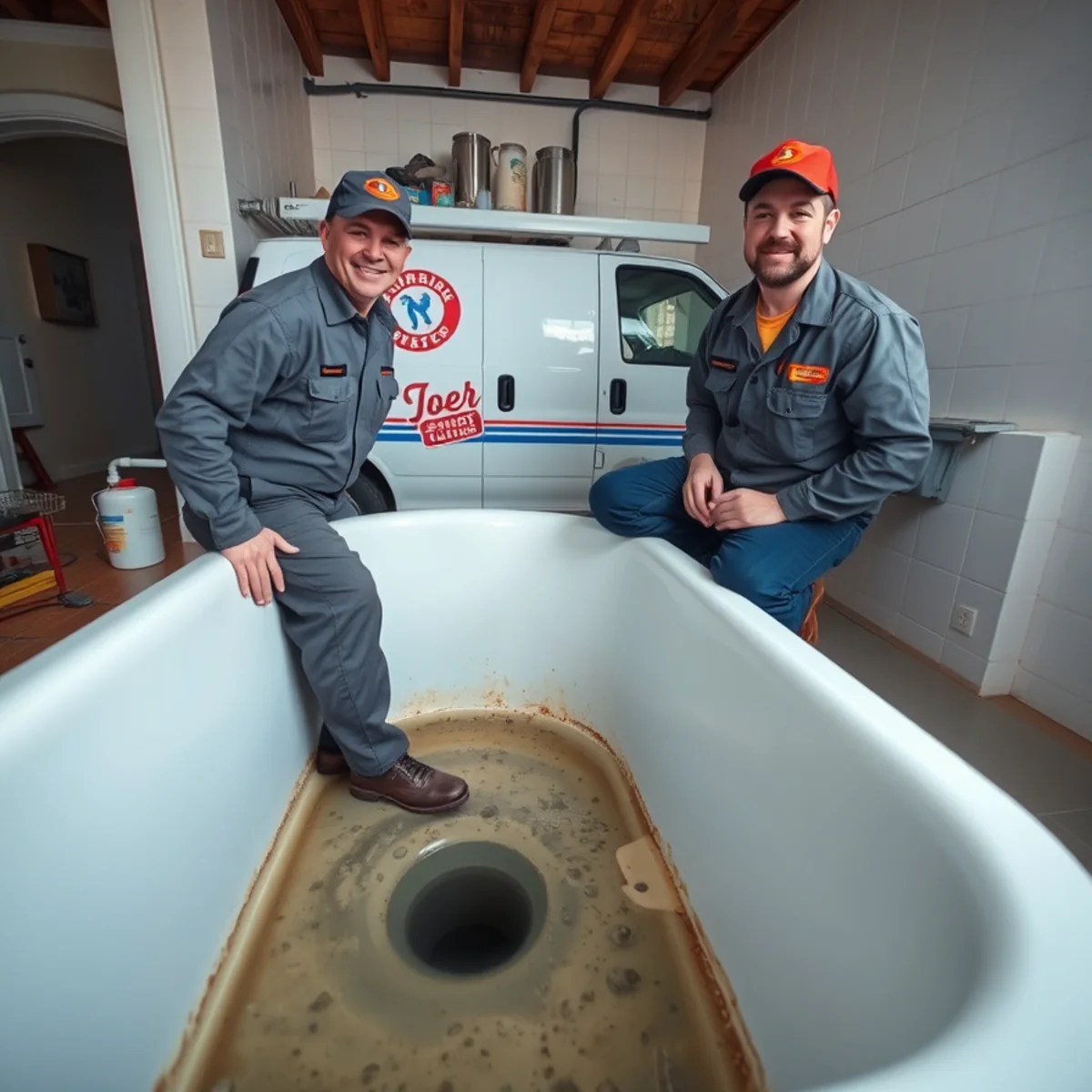
Sewage rising out of a tub drain, toilet, or floor drain is one of the worst things a homeowner can face, and one of the most dangerous to handle wrong. This isn't gray water. It's black water, carrying bacteria and contaminants that put your family's health at risk the longer it sits. Every minute counts, but so does doing this in the right order.
Here's the action plan we give Bellaire homeowners the moment they call about a backup — what to do before we arrive, and why sewage backups happen so often in this city's older cast-iron drain systems.
Stop Using Every Drain in the House — Immediately
A backup almost always means the main sewer line is blocked somewhere between your house and the city connection. Every toilet flush, shower, or load of laundry adds more water to a system that already has nowhere to go, and pushes more of it back up through your lowest drain. Stop all water use the moment you see backup, including a dishwasher or washing machine already mid-cycle if you can pause it.
This includes upstairs bathrooms too, not just ground-floor fixtures — every drain in the house ties into the same main line eventually, and water added anywhere upstream makes the backup at the lowest point worse.
Expert tip: Expert tip: The lowest drain in the house — usually a tub, shower, or floor drain — is where a main line backup shows up first. If that drain is gurgling or draining slowly, treat it as an early warning before it becomes a full backup.
Keep Everyone — Especially Kids and Pets — Away From the Water
Sewage backup water carries bacteria, viruses, and parasites. Don't let anyone walk through it, and don't attempt to clean it up yourself with regular household supplies. If it's reached carpet, drywall, or upholstered furniture, those materials are often unsalvageable and need to be removed, not just dried.
If you must be in the area briefly to shut off water or open a window, wear rubber boots and gloves, avoid tracking water into unaffected rooms, and wash thoroughly afterward. Category 3 water, the technical term for sewage-contaminated water, is treated differently than a clean water leak by every restoration standard for exactly this reason.
What to Do While You Wait for the Plumber
- 1Shut off water to the house at the main if the backup is severe, to stop adding volume to the blocked line.
- 2Open a window or run a fan in the affected room for ventilation — sewage gas is unpleasant and can be harmful in an enclosed space.
- 3Move anything you can safely reach out of the water's path without stepping in it.
- 4Don't pour bleach or chemical drain cleaner down the backed-up drain — it won't clear a main-line blockage and can react dangerously with standing sewage.
- 5Call for emergency sewer backup service — this isn't a fix-it-yourself problem.
Why This Happens So Often in Bellaire's Older Homes
Much of Bellaire was built between the 1940s and 1970s with cast-iron sewer laterals running under the slab or yard. Cast iron corrodes from the inside over decades — the pipe walls flake and narrow, roots from mature oaks find hairline cracks at the joints, and Bellaire's expansive clay soil shifts enough over the years to offset a pipe at a joint. Any one of those can create the partial or full blockage that turns into a backup during a heavy-use night or a hard rain.
In neighborhoods like Maplewood, where mature tree canopy sits directly over decades-old lateral lines, root intrusion is one of the most common causes we find once we get a camera down the line.
How We Diagnose and Clear a Main Line Backup
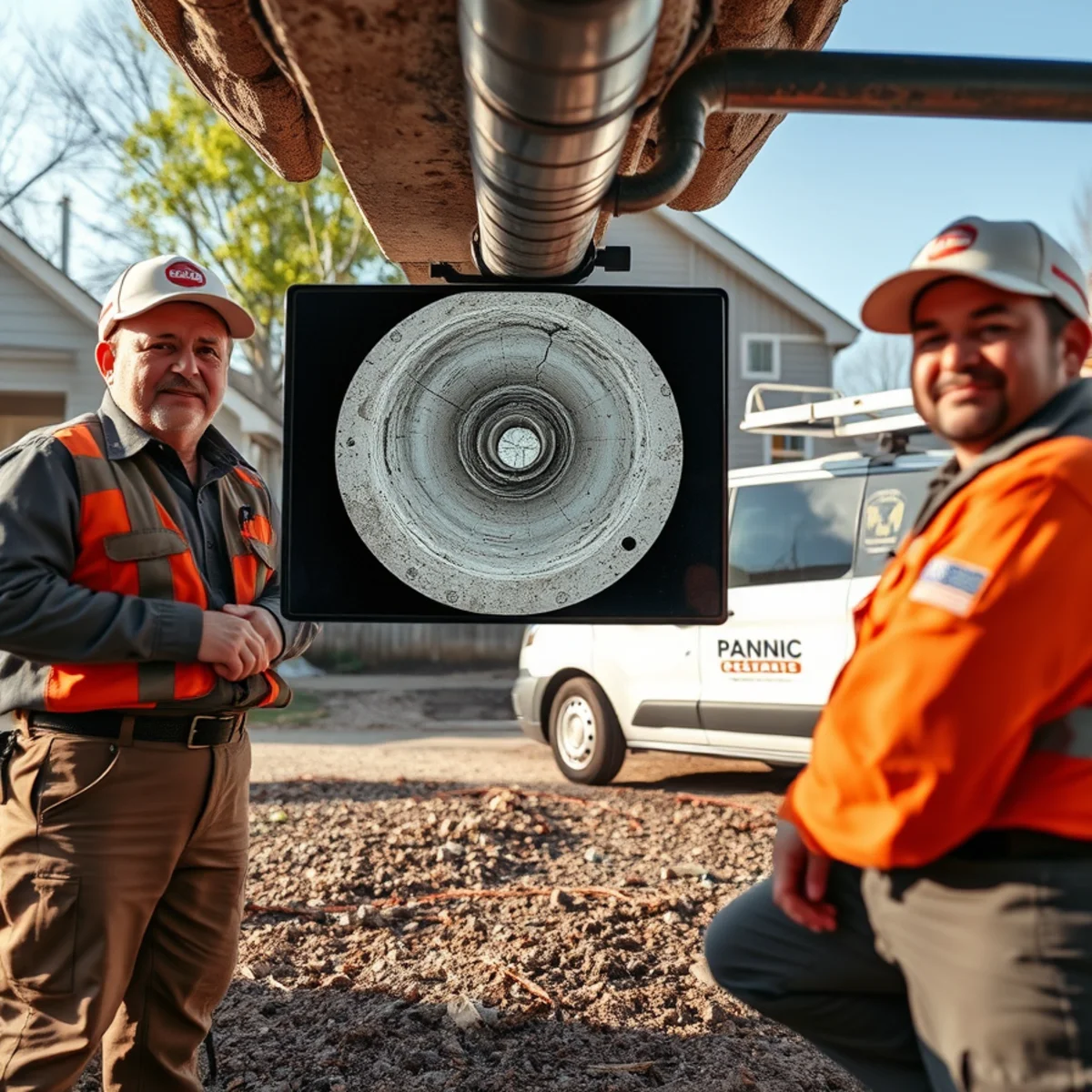
We start with a camera inspection to see exactly what's blocking the line and where — roots, a collapsed section, grease, or a foreign object — instead of guessing. From there, most blockages clear with hydro-jetting, which scours the full pipe rather than punching a temporary hole through the clog the way snaking does. If the camera shows a collapsed or offset section, we discuss trenchless repair options that avoid tearing up your yard.
If the camera shows a bellied, cracked, or separated section rather than just a soft clog, jetting alone won't hold — that's when we walk you through targeted sewer line repair or trenchless replacement instead of scheduling another emergency visit for the same spot.
What a Camera Inspection Actually Tells Us
Snaking a suspected clog without seeing it first might punch a temporary hole through roots or grease, but it won't tell you whether the line is offset at a joint, bellied from years of soil settlement, or genuinely collapsed a few feet further down — and each of those needs a different fix.
- Root intrusion at joints, and how far it extends along the line — a few feet near the cleanout is a different job than roots running the length of the lateral.
- Bellied sections where the pipe has sagged and now holds standing water and solids between uses, a common sign of settlement in Bellaire's shifting clay soil.
- Cracked, corroded, or separated cast iron, especially in laterals original to homes built before the 1970s.
- Grease and scale buildup narrowing the pipe's usable diameter even where there's no structural damage yet.
Expert tip: Expert tip: Ask to see the camera footage yourself. A reputable plumber will walk you through exactly what's on screen and why it points to jetting, a spot repair, or a full replacement, not just hand you a bid.
Don't Make These Mistakes While You Wait
- Running the dishwasher or washer "just this one load" because it seemed to drain okay last time — any water added upstream pushes more volume through the same blocked point.
- Pouring bleach, ammonia, or store-bought drain chemicals down a backed-up drain. On a main-line clog they rarely reach far enough to help, and mixing chemicals with standing sewage can create hazardous fumes.
- Snaking the line yourself with a rented rooter machine without knowing what's actually down there — pushing a cable blindly into a bellied or cracked section can make the damage worse.
- Assuming a one-time backup means a one-time problem. If it happened once during a heavy-use night or hard rain, the same weak point is still there for the next stress test unless it's identified and fixed.
- Letting kids or pets back into the affected room "just to grab something." Category 3 contamination doesn't care how quick the trip is, and pets in particular will investigate a wet floor before anyone can stop them.
After the Water's Cleared: Cleanup and Prevention
Once the line is open and the immediate emergency is handled, affected areas need proper sanitizing, not just mopping. Porous materials that touched sewage water, including carpet padding and drywall below the waterline, typically need to be cut out and replaced. If backups have happened more than once, that's a sign the line needs a camera inspection now, before the next heavy rain finds the same weak point.
For a property with mature trees over the lateral, routine drain cleaning on a yearly or twice-yearly schedule keeps roots from re-establishing between camera checks — cheaper and far less disruptive than another emergency backup call.
Frequently Asked Questions
Why is sewage backing up into my tub instead of the toilet?
Is it safe to clean up a sewage backup myself?
What usually causes sewer backups in Bellaire specifically?
Should I call the city or a plumber first?
Will hydro-jetting fix root intrusion for good, or will roots just come back?
Written by the Plumber Bellaire TX team
Licensed Texas master plumbers based on Newcastle Street in Bellaire. We’ve spent years working the slab leaks, repipes, and sewer lines this article covers — right here in the City of Homes.
(614) 830-0578