Tree Roots in Your Sewer Line? Bellaire's Oak Canopy Problem
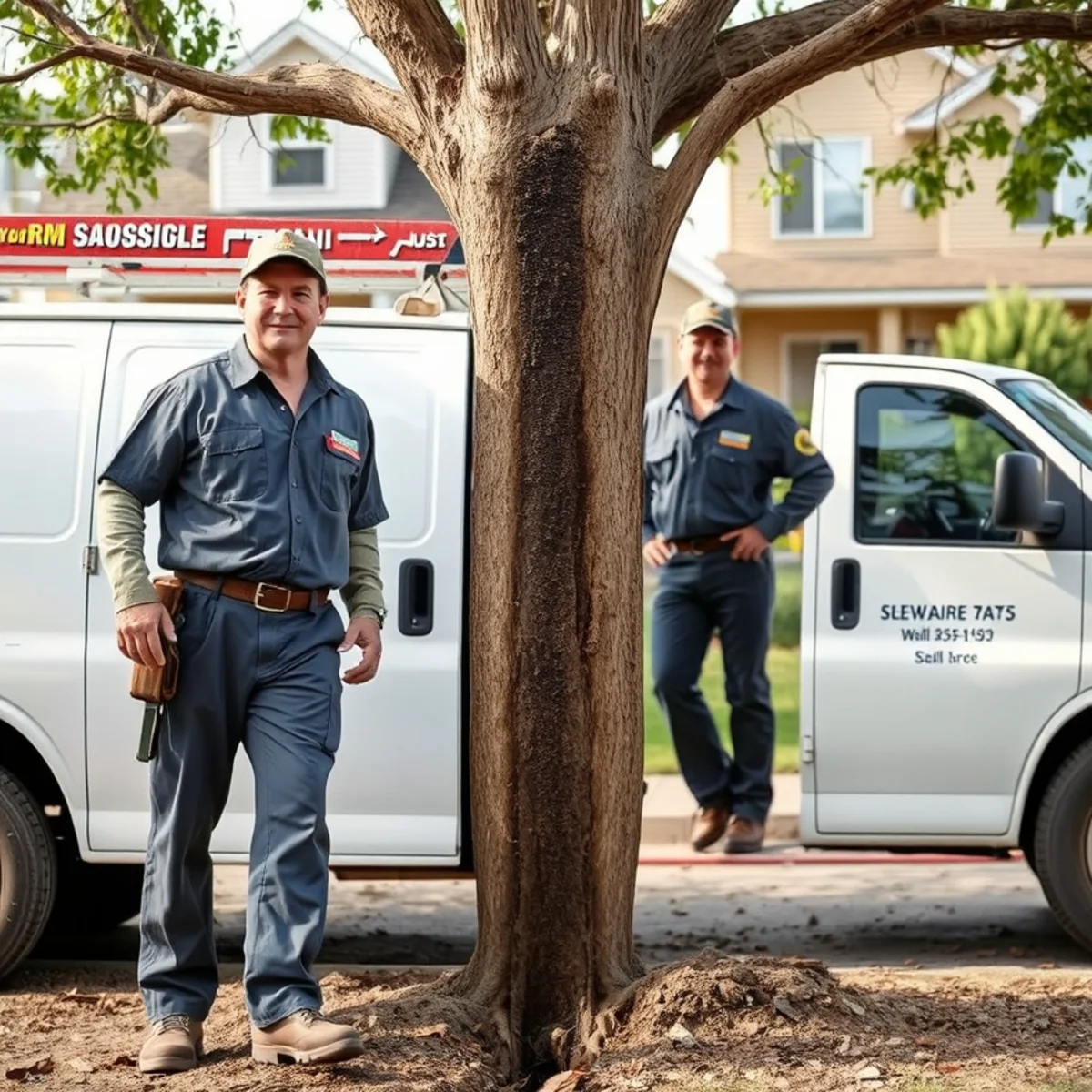
Bellaire is covered in decades-old oak canopy, including in neighborhoods like Pin Oak Estates where the trees are as much a part of the address as the houses. That canopy is also the single most common cause of recurring sewer backups in the city's older homes.
Roots don't cause damage by crushing a pipe from the outside, that's rare. They exploit damage that's already there, and then make it dramatically worse. Understanding that order of operations is the key to actually fixing recurring backups instead of cabling the same line every few months and hoping it holds longer this time.
Roots Don't Break Pipes — They Exploit Broken Ones
An intact sewer line with tight joints is generally root-proof. Roots can't force their way through solid cast iron or clay pipe. What they can do is find the small amount of moisture and nutrients escaping through a hairline crack, a separated joint, or a corrosion hole, all common in pipe that's 50-plus years old, and follow that trail inside.
This is why two houses on the same street, both with mature oaks in the yard, can end up with completely different root histories. The one with a sewer line that's still tight at every joint stays clear for decades. The one where a joint has already separated from years of clay soil movement is the one calling about root cabling every year.
Why Oak Roots Specifically Are Such a Problem Here
Oak trees have wide, opportunistic root systems built to search a large area for water, and they aren't limited to the tree's canopy. A root system can extend 30 to 50 feet from the trunk, well past where most homeowners assume a tree's reach ends, easily far enough to reach a sewer lateral running from the house to the street.
Once a root finds an entry point into the pipe, it discovers a moist, nutrient-rich environment perfectly suited to root growth and doesn't stop. It thickens over months and years into a dense mass inside the pipe, catching toilet paper and waste until the line narrows and eventually blocks.
From Hairline Crack to Full Blockage
Root intrusion follows a predictable sequence, which is why it always seems to start small and end with a backup:
- 1A fine root hair finds a crack or gap at a pipe joint
- 2The root grows through the opening and into the pipe's interior
- 3Inside the pipe, the root thickens into a mass, feeding on the moisture and nutrients in wastewater
- 4The mass starts catching toilet paper and debris, narrowing the effective flow
- 5Slow drains and gurgling begin, usually dismissed as a minor clog
- 6The line fully blocks, often backing up at the lowest fixture in the house
Cabling Buys Time. It Doesn't Fix the Entry Point.
A cable machine's cutting head chews through the root mass and restores flow, which is why cabling works, temporarily. It doesn't touch the cracked joint or corrosion hole the roots used to get in, so the same opening is still there the moment the line is clear. Roots regrow through it, often within months, which is why some lines seem to need cabling on a schedule forever.
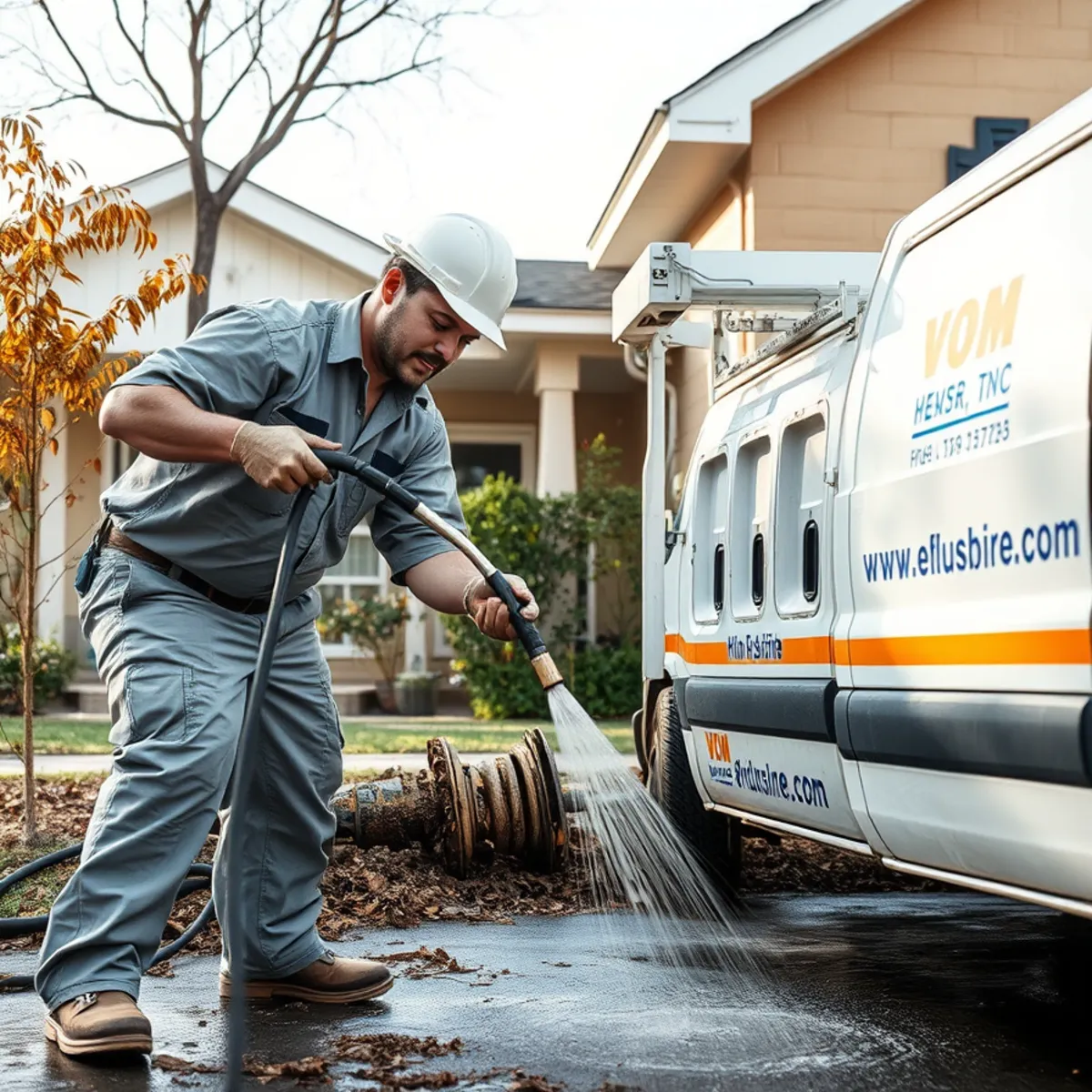
Hydro-jetting with a root-cutting head does a more thorough job of clearing the pipe's full interior, but it has the same limitation: neither method repairs the entry point. Our sewer line repair visits start with a camera specifically to find that entry point, because that's the only way to actually stop the cycle instead of managing it indefinitely.
Expert tip: Root growth follows water, not the tree canopy above it. A root ball can travel 30 feet or more from the trunk to reach a leaking joint, so removing the tree rarely solves a problem that's really about the crack in the pipe.
How We Confirm It's Roots and Not Something Else
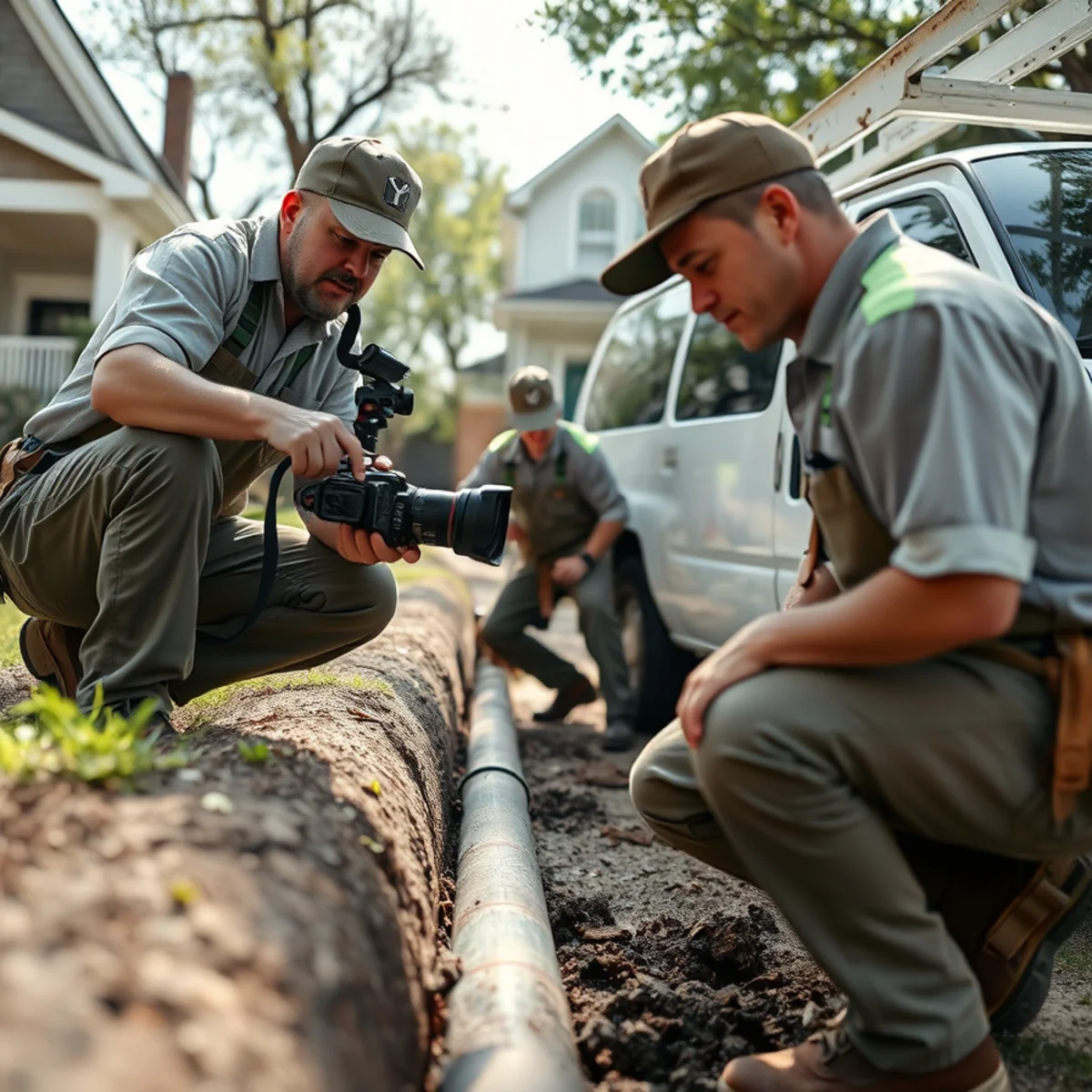
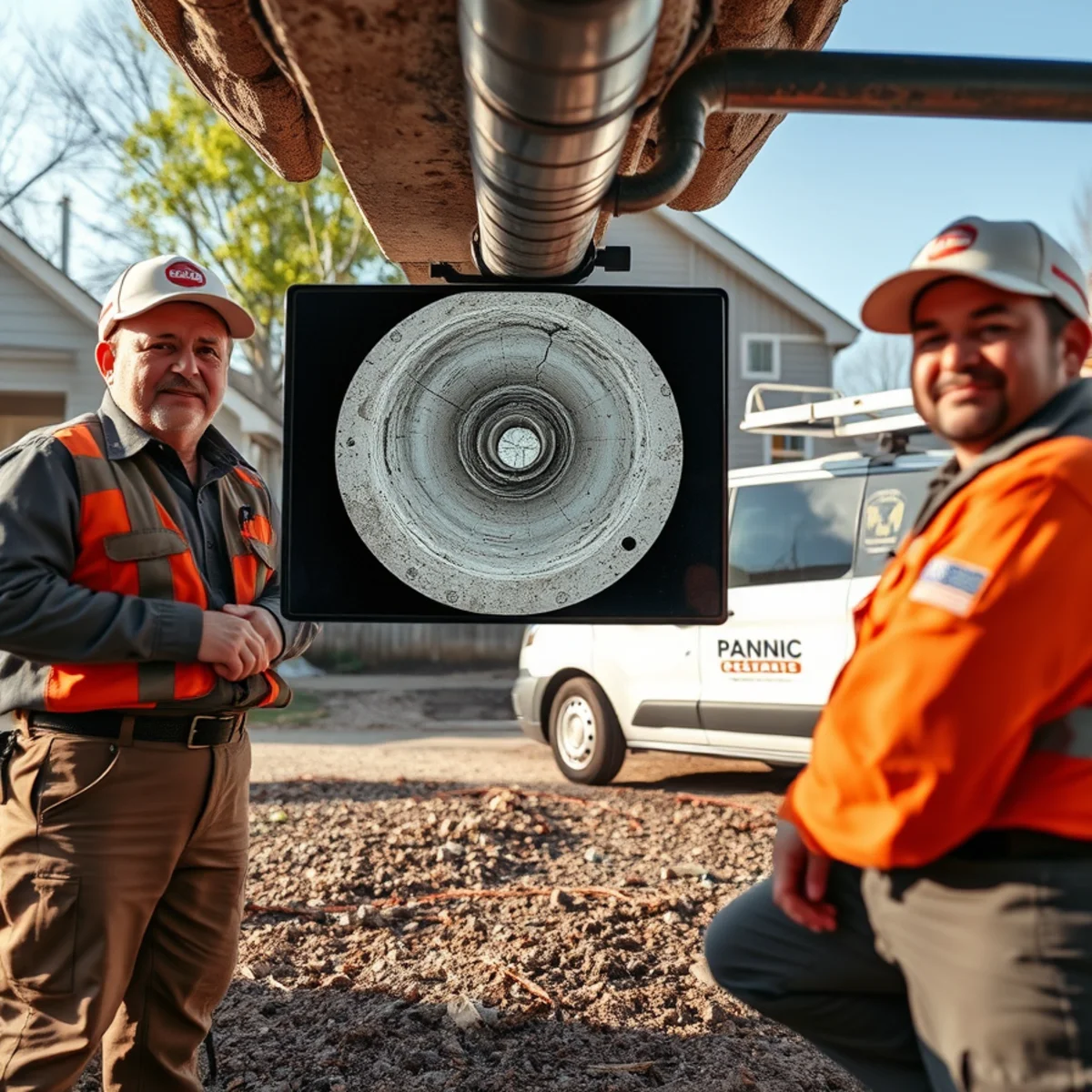
Slow drains and gurgling can point to several different problems, so we don't assume roots just because a home has mature trees nearby. A camera inspection is what actually confirms it, and root intrusion has a distinct look on screen: fine, hair-like tendrils at first, thickening into a visible mass anchored at one specific joint or crack rather than debris loosely sitting in the pipe.
That anchor point matters. Grease and scale coat the pipe wall fairly evenly along a run, while a root mass is almost always concentrated at a single joint, crack, or connection, the exact spot where it found its way in. Locating that point is also what tells us where the repair actually needs to happen, rather than guessing at a general area of the yard. If the camera instead shows loose debris or grease coating without a root mass, that's routine drain cleaning, not root intrusion, and it's a much simpler fix.
Why Over-the-Counter Root Killers Don't Solve This
Foaming root-killer chemicals and copper sulfate crystals, sold at any hardware store, kill the root tendrils they contact inside the pipe, which can slow regrowth for a while. What they can't do is close the crack or gap the roots used to get in, so the treatment is managing symptoms on a schedule rather than fixing the cause. Roots regrow through the same opening once the chemical's effect wears off, often within a season.
Copper sulfate in particular is hard on municipal sewer systems and septic bacteria when it's flushed through in any quantity, and repeated use doesn't reduce how often a line needs attention, it just adds a chemical step to the same cabling cycle. If a line needs root treatment more than once, that's the signal to stop treating the symptom and camera the line to find the entry point instead.
Expert tip: A root killer treats what's inside the pipe. It does nothing for the crack in the pipe wall, which is the actual reason roots are getting in. Ask any plumber recommending repeat chemical treatment what their plan is for the entry point itself.
What Actually Stops Root Intrusion for Good
Once the camera locates the exact entry point, the fix is either a trenchless lining that creates a new, seamless interior surface with no joint for roots to find, or a targeted spot repair that replaces the failed section outright. In root-heavy neighborhoods like Pin Oak Estates, we camera the full lateral before recommending either one, because the right fix depends entirely on where, and how badly, the roots have gotten in.
Lining makes the most sense when entry points are scattered across a long run, since one continuous liner addresses every joint at once without multiple digs. A spot repair makes more sense when there's a single, isolated entry point and the rest of the line tests clean, since there's no reason to line pipe that isn't compromised. Either way, the point is the same: stop treating what grew through the pipe and start fixing the opening that let it in.
Reducing Root Risk Without Removing Mature Trees
You don't have to choose between keeping Bellaire's oak canopy and protecting your sewer line. A few practical steps lower the odds of root intrusion without touching a healthy tree:
- Camera the lateral every few years if the home has original cast iron or clay pipe and mature trees nearby — catching a hairline crack before roots find it is far cheaper than clearing an established root mass afterward.
- Avoid planting new trees directly over or within a few feet of a known sewer lateral. Established trees are the ones already causing problems; new ones just add a second line to worry about decades from now.
- Repair small joint separations or cracks as soon as a camera finds them. Sealing the entry point while it's still small is a fraction of the cost of dealing with a fully established root mass later.
- Ask about root barriers during any nearby landscaping or hardscape project. A physical barrier installed between a tree and the lateral can redirect root growth without harming the tree itself.
Frequently Asked Questions
Do I need to remove the tree to fix root intrusion?
How often will I need cabling if I don't fix the entry point?
Can hydro-jetting cut through tree roots on its own?
How do I know if roots are actually causing my backups?
Does a root-killer treatment ever make sense?
Written by the Plumber Bellaire TX team
Licensed Texas master plumbers based on Newcastle Street in Bellaire. We’ve spent years working the slab leaks, repipes, and sewer lines this article covers — right here in the City of Homes.
(614) 830-0578