7 Signs Your Water Heater Is About to Fail
A water heater almost never fails out of nowhere. In the weeks before a tank actually leaves you with cold water or a flooded utility closet, it usually sends signals, most of them subtle enough that homeowners write them off as normal aging noise or a minor inconvenience.
Here are the seven signs that actually matter, what's mechanically happening inside the tank when you notice them, and which ones mean call today versus you likely have a few weeks to plan.
The 7 Warning Signs, In Order of Urgency
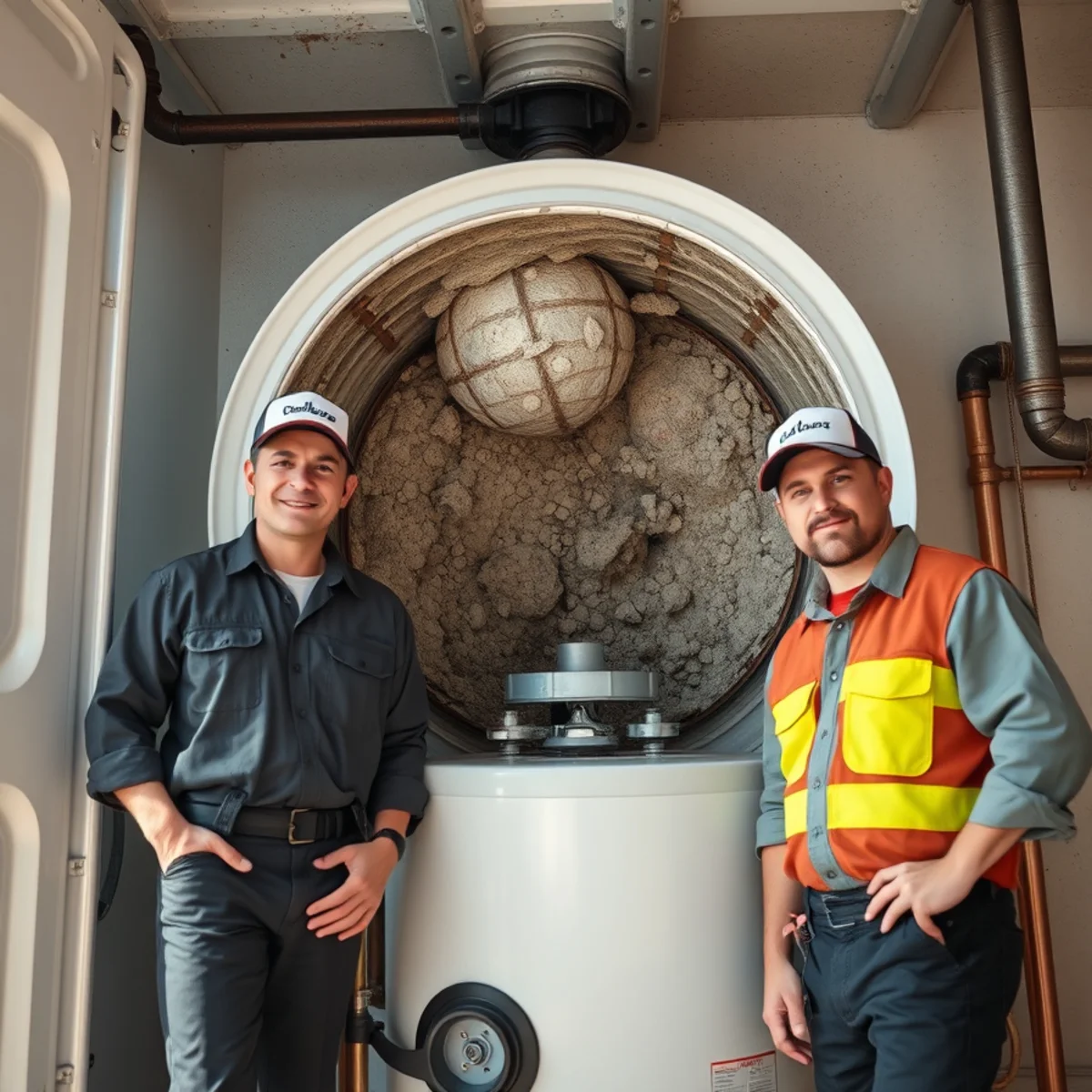
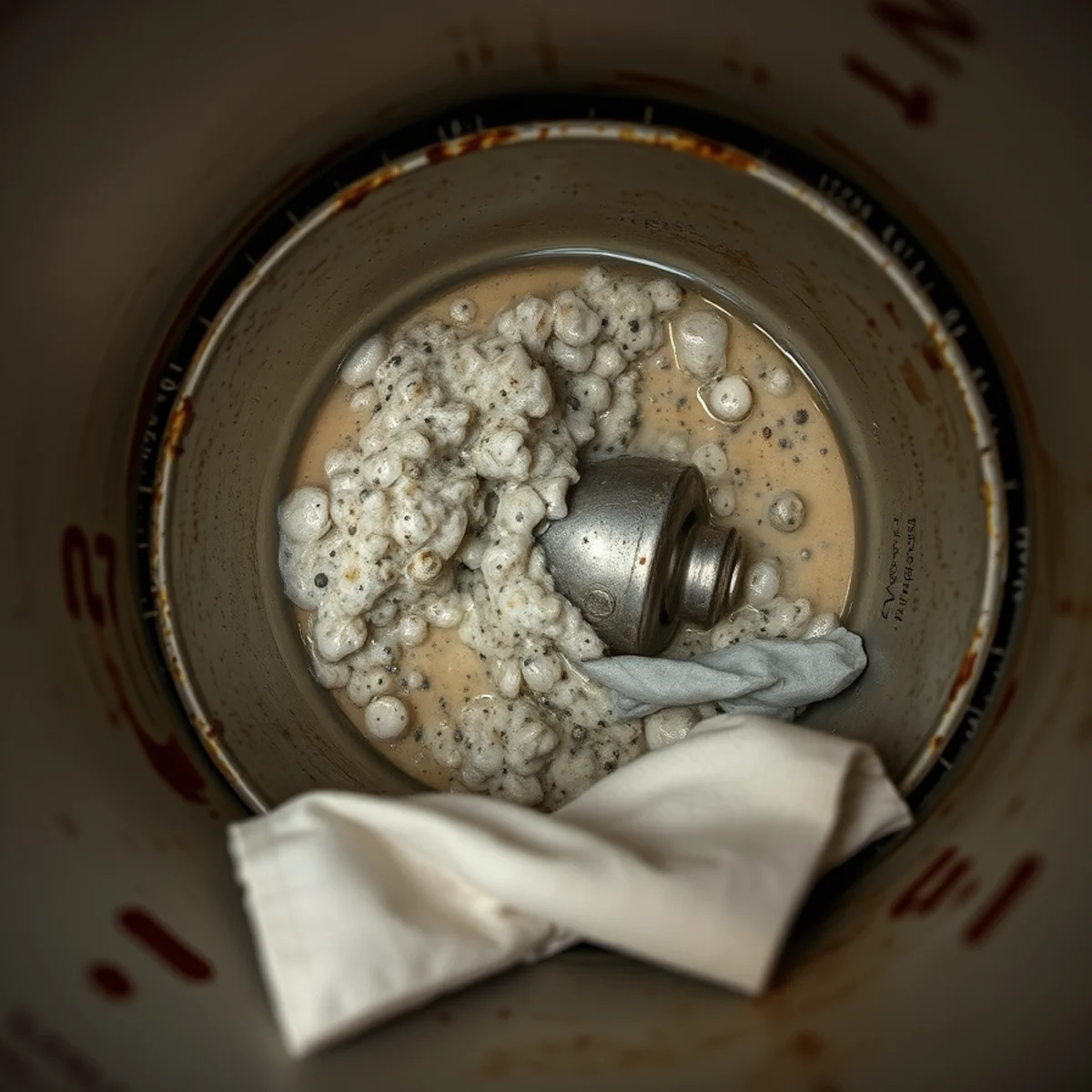
- 1Rumbling, popping, or cracking sounds. Sediment that's settled and hardened at the bottom of the tank is overheating and cracking apart as the burner or element heats around it.
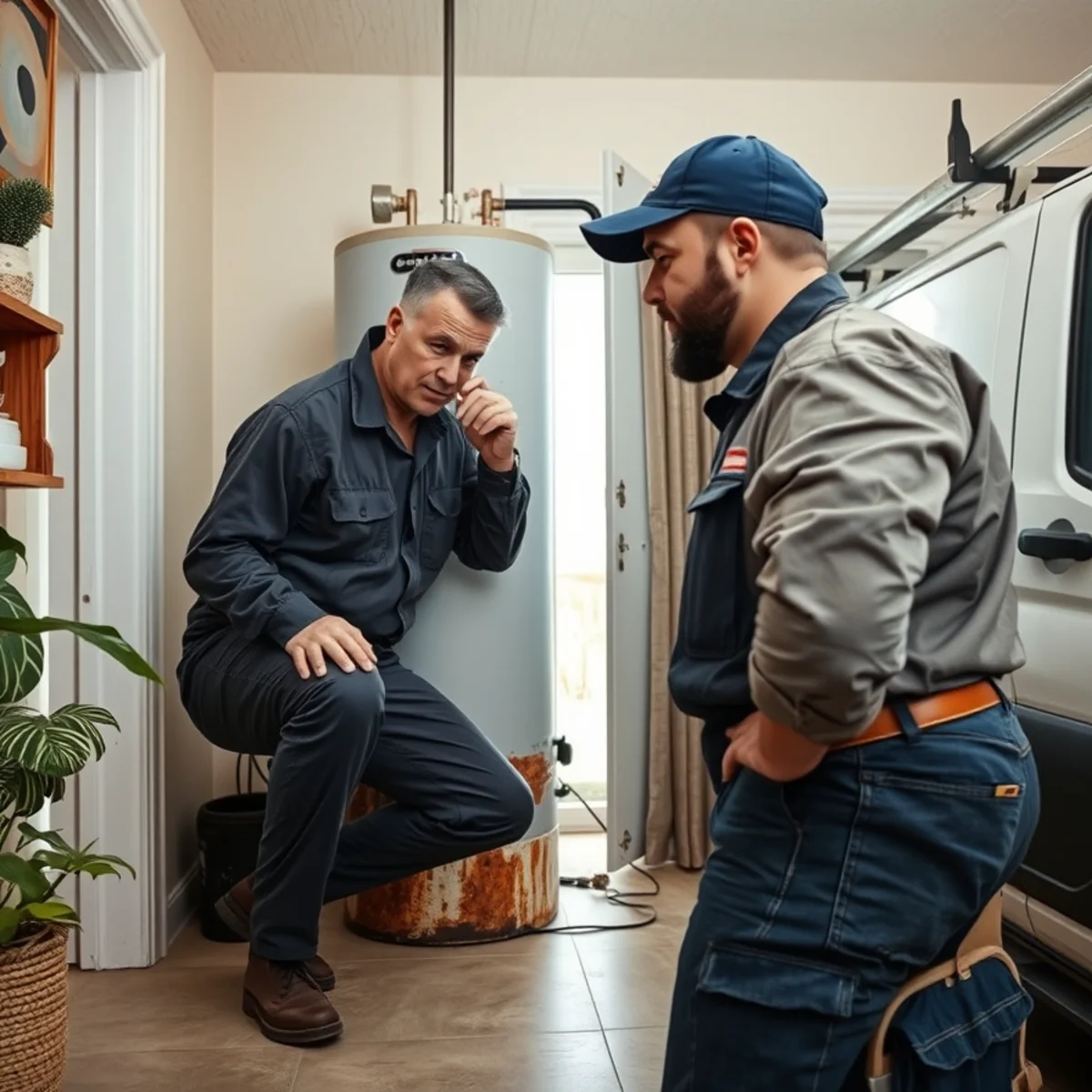
- 2Rusty or discolored hot water, specifically from the water heater. The sacrificial anode rod has likely worn out, and the tank itself may be starting to corrode from the inside.
- 3Water pooling around the base of the tank. This can mean a fitting or valve leak, which is repairable, or a tank rusted through at the seam, which is not. Where the water is coming from tells you which.
- 4Noticeably less hot water, or it runs out faster than it used to. A failing heating element, a bad dip tube, or sediment eating into usable tank capacity can all cause this.
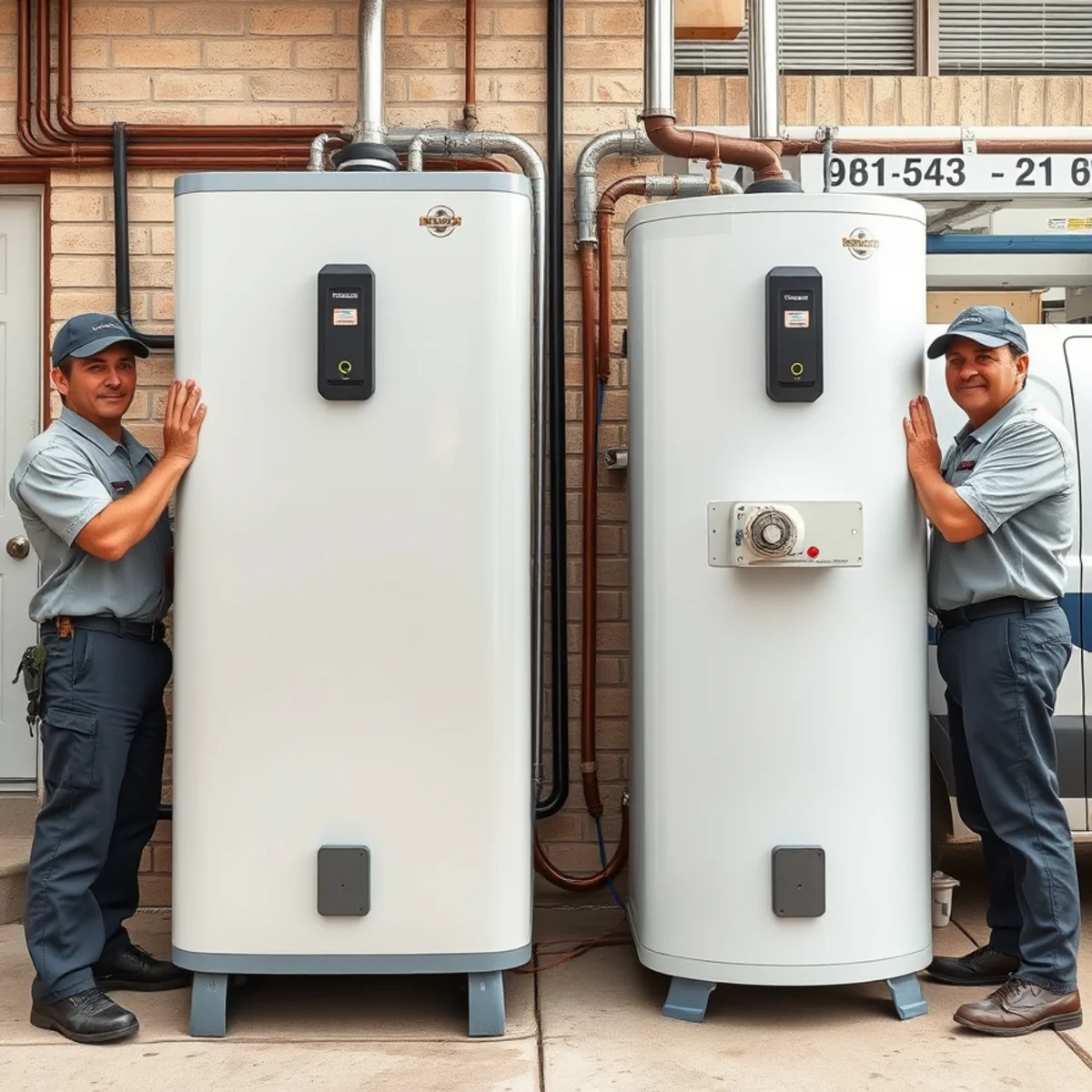
- 5The unit is past 10 to 12 years old. That's the typical service life for a tank water heater, and Houston's hard water tends to push units toward the earlier end of that range.
- 6Energy bills climbing with no other explanation. A sediment layer forces the burner or element to work harder to heat the same volume of water, and that shows up on the bill before it shows up as a leak.
- 7The pilot light won't stay lit, or a breaker keeps tripping. This points to a failing thermocouple or gas valve on gas units, or a failing element or thermostat on electric ones.
Why Age Matters More Than the Symptoms
Every tank water heater has a finite service life regardless of how well it's been maintained. The glass lining inside the tank protects the steel shell from the water it holds, and that lining eventually cracks with age and thermal cycling. Once it does, corrosion of the tank itself is just a matter of time.
Houston's moderately hard water accelerates this. Mineral-rich water deposits sediment faster than soft water does, and that sediment layer both stresses the tank lining and insulates the bottom of the tank from the burner, forcing it to run longer and hotter than it should. That's why local units often show problems closer to the 10-year mark than the 12-year one. It's also why two water heaters installed the same year in different Bellaire homes can fail at noticeably different times — flushing history and daily usage matter almost as much as the calendar.
Repair or Replace: How to Make the Call
Not every sign on this list means the unit is finished. A single failing thermocouple on a 4-year-old tank is a straightforward, inexpensive repair. The same symptom on a 13-year-old tank that's already rumbling and showing rust at the base is a different conversation entirely. Here's the rough framework we actually use on a service call:
- Under 6 years old with one isolated symptom, a bad element, a faulty thermocouple, a stuck valve: repair almost always makes sense.
- 6 to 10 years old with one symptom and no rust or leaking at the tank itself: repair is often still reasonable, but worth pricing against replacement.
- Past 10 years old, or showing two or more signs together, rust plus rumbling, or reduced capacity plus age: replacement is usually the better value, since you're paying repair labor on a unit that's close to failing anyway.
- Any rust or moisture at the tank seam itself, regardless of age: replace. That's the shell failing, not a repairable component.
Expert tip: A standard tank replacement installed typically runs $1,200 to $2,500 in Bellaire. If a repair quote is getting close to half that on a unit already past 8 or 9 years old, replacement is usually the better use of the money.
What We Actually Check On a Service Call
Beyond the symptoms you can notice from the outside, here's what a proper inspection covers before we recommend repair or replacement:
- The anode rod's condition, pulled and inspected rather than assumed, since a spent rod is the earliest predictor of tank corrosion.
- The manufacture date on the data plate, which tells us exactly where the unit sits in its expected service life, not just an estimate from memory.
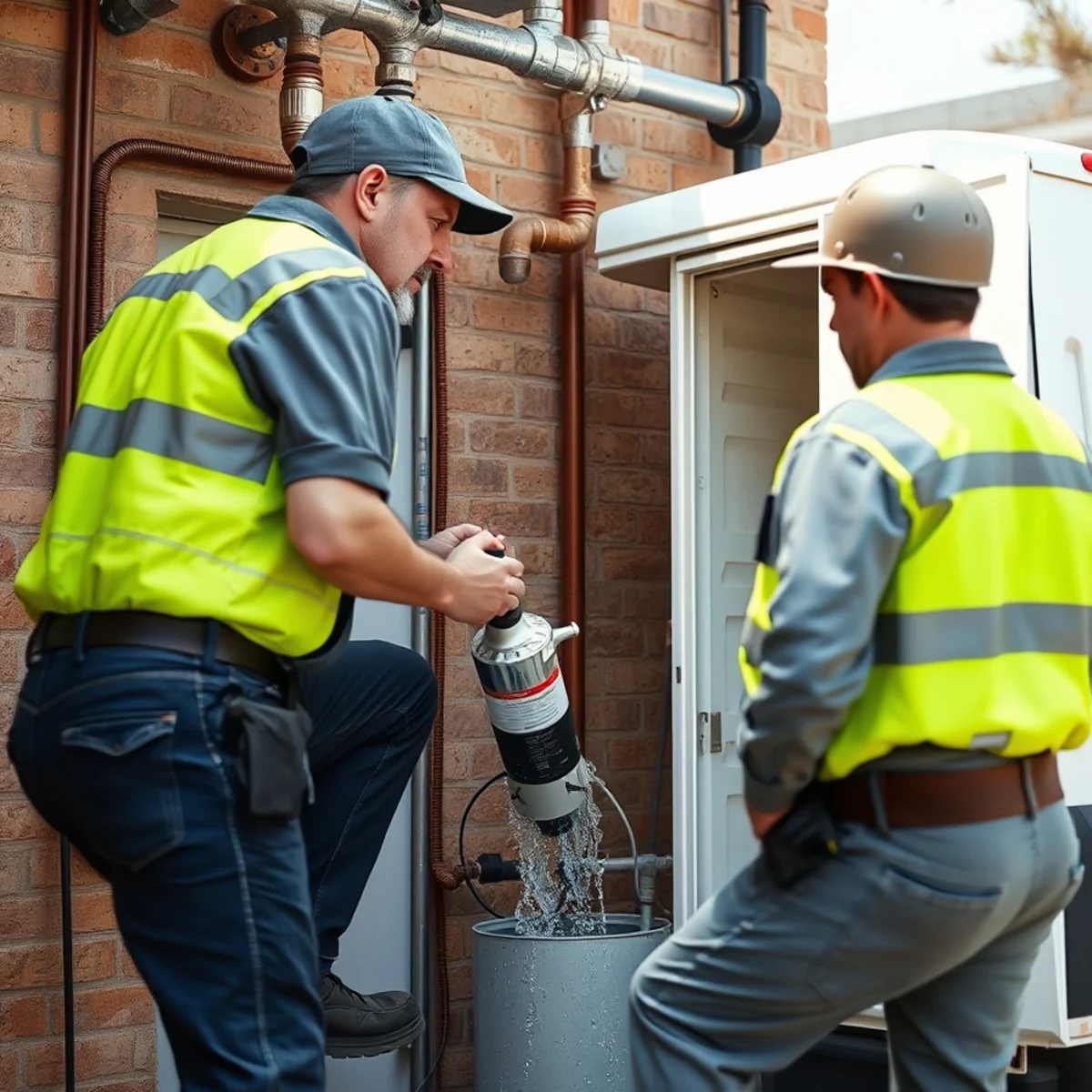
- Sediment depth at the bottom of a gas tank, checked by draining a sample before deciding whether a flush is still worth doing.
- The temperature and pressure relief valve, tested to confirm it's not seized, since a valve that won't operate is a safety issue independent of anything else going on with the tank.
- Gas pressure or electrical draw at the unit, to rule out a supply-side issue masquerading as a failing heater.
How Long a Repair Actually Buys You
Even a successful repair on an older unit has a shelf life worth knowing upfront. Replacing a thermocouple or element on a 9-year-old tank can restore normal operation, but it doesn't reset the tank's age or undo the sediment already sitting in the bottom. Most repairs on units past year 8 or 9 buy one to two more years of service, not a fresh decade.
That's not a reason to skip a reasonable repair, sometimes a year or two is exactly what you need to plan and budget for a replacement on your own timeline. It's just worth going in with accurate expectations rather than assuming a repaired unit is now good for another decade.
Leaking vs. About to Flood: How to Tell the Difference
A small drip at a fitting or from the pressure relief valve's discharge pipe is a repair, annoying, but not an emergency. Moisture or rust staining coming from the tank's seam itself is different: that's the shell failing, and a tank in that condition can go from a slow weep to dumping 40 or 50 gallons onto your floor with no further warning.
If you're not sure which one you're looking at, treat it as the more serious option until you can check. Shut off the cold water supply valve on top of the tank and switch off the breaker or turn the gas control to pilot, then towel-dry the area and check back in an hour. If moisture has returned, that's the tank itself, not a fitting, and it's time to call rather than wait.
Expert tip: A water heater rusting from the tank seam itself won't get better. It's not a question of if it fails completely, but when, and it's rarely convenient.
What to Do When You Spot These Signs
If you're seeing one or two early signs, some rumbling, a slight dip in recovery, it's worth having the unit inspected before deciding between a repair and a full swap. If you're seeing rust-colored water alongside the age and the noise, or you've found water at the base, treat it as urgent rather than something to monitor for another season.
This comes up constantly in original-era homes throughout areas like Willowbend, where a lot of water heaters installed a decade or more ago are now due. Our water heater repair & installation team can tell you on the spot whether a repair makes sense or whether you're better off replacing before it fails on its own schedule instead of yours. If water is actively pooling and spreading rather than sitting in a small puddle, that's not a schedule-a-visit situation, that's water heater emergency territory — shut off the water and the power or gas to the unit, then call.
The Warning Signs, Illustrated
 1
1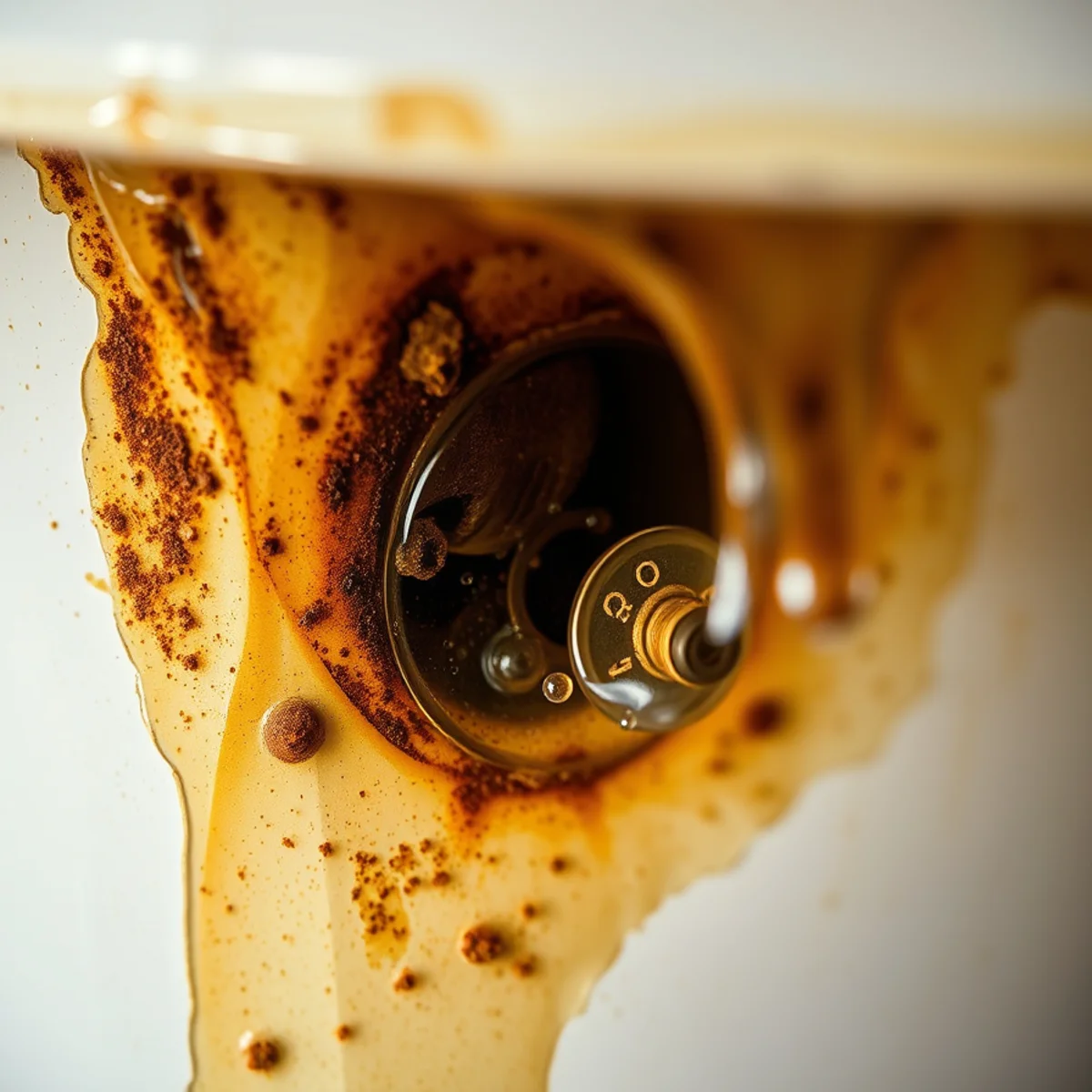 2
2 3
3 4
4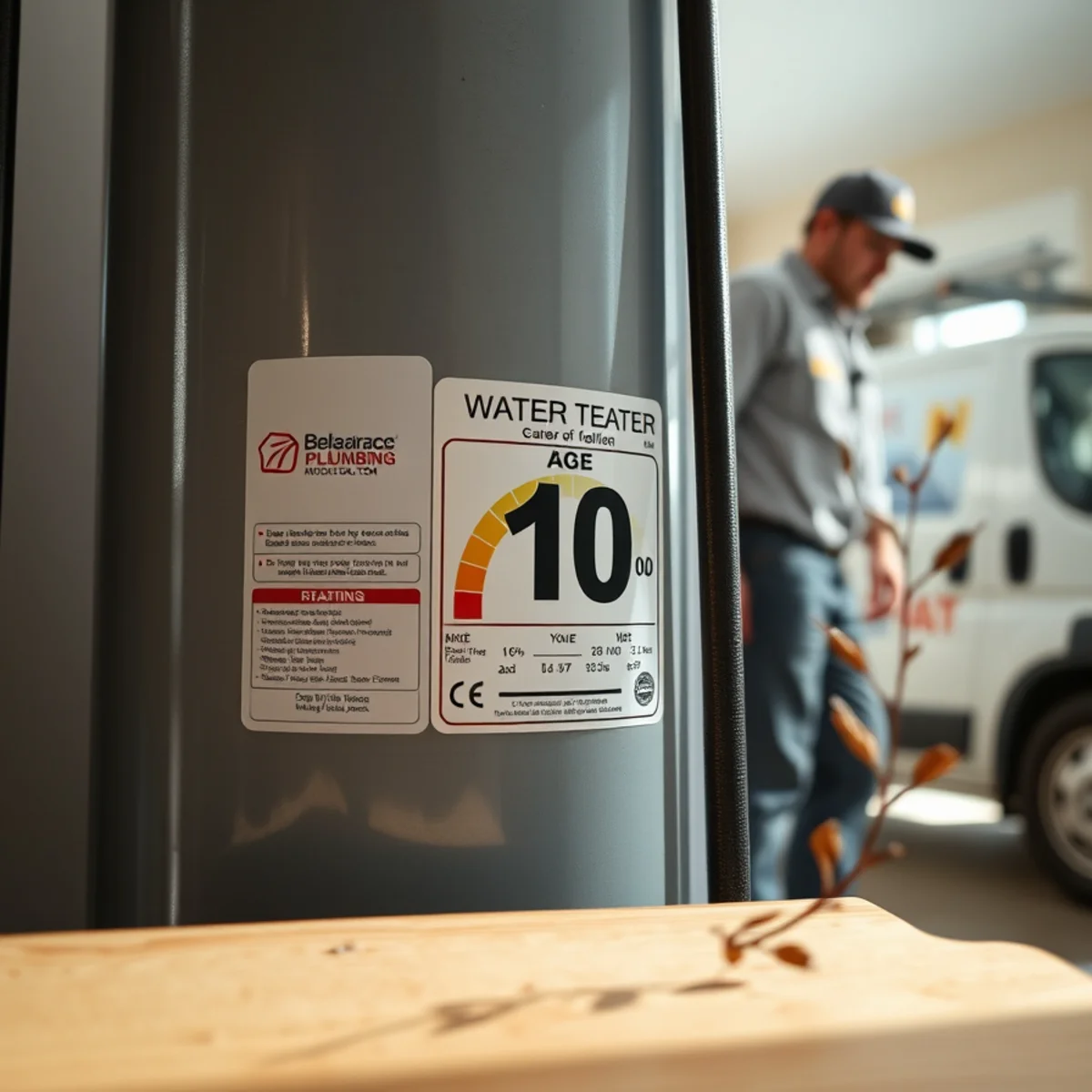 5
5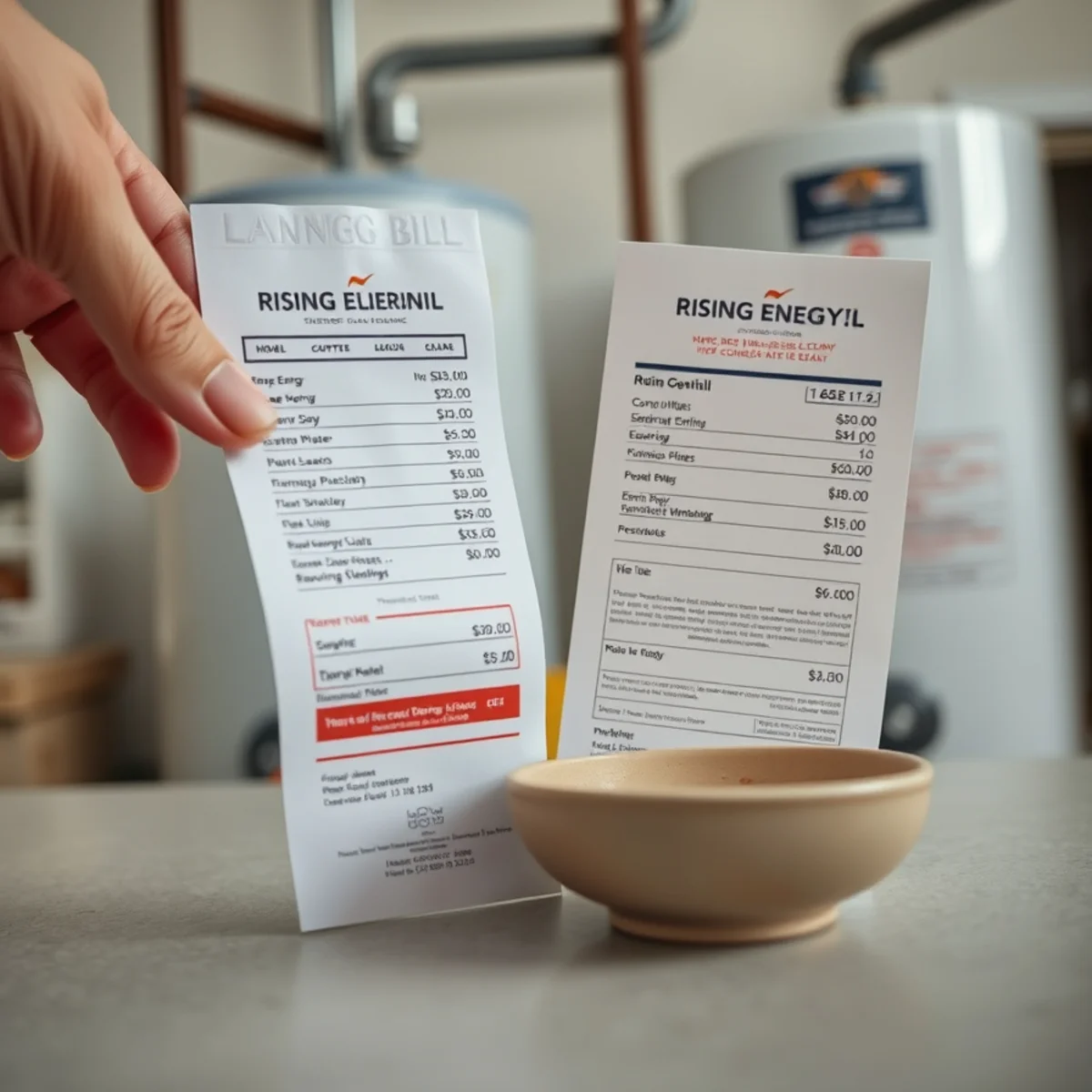 6
6 7
7Frequently Asked Questions
How long do water heaters typically last in Bellaire?
Is it worth repairing a water heater instead of replacing it?
Is a little rust-colored hot water always a sign of a dying water heater?
Can a rumbling water heater still be repaired?
What should I do if I find water pooling at the base of my water heater?
Written by the Plumber Bellaire TX team
Licensed Texas master plumbers based on Newcastle Street in Bellaire. We’ve spent years working the slab leaks, repipes, and sewer lines this article covers — right here in the City of Homes.
(614) 830-0578