Water Heater Maintenance: Extend Tank Life in Hard-Water Houston
A water heater is rated for 10 to 12 years, but in an untreated hard-water house, plenty don’t make it past year seven or eight. Houston-area water runs moderately hard — around 8 grains per gallon — and every gallon that passes through your tank leaves a little mineral scale behind. Over years, that scale coats the heating element or burner, buries the bottom of the tank, and forces the unit to work harder to do the same job.
None of this is inevitable. A handful of maintenance habits — most of them cheap, a few worth calling a plumber for — routinely add years to a tank’s working life and keep energy bills from creeping up as scale builds. Here’s what actually moves the needle.
Why Hard Water Is Rough on a Tank
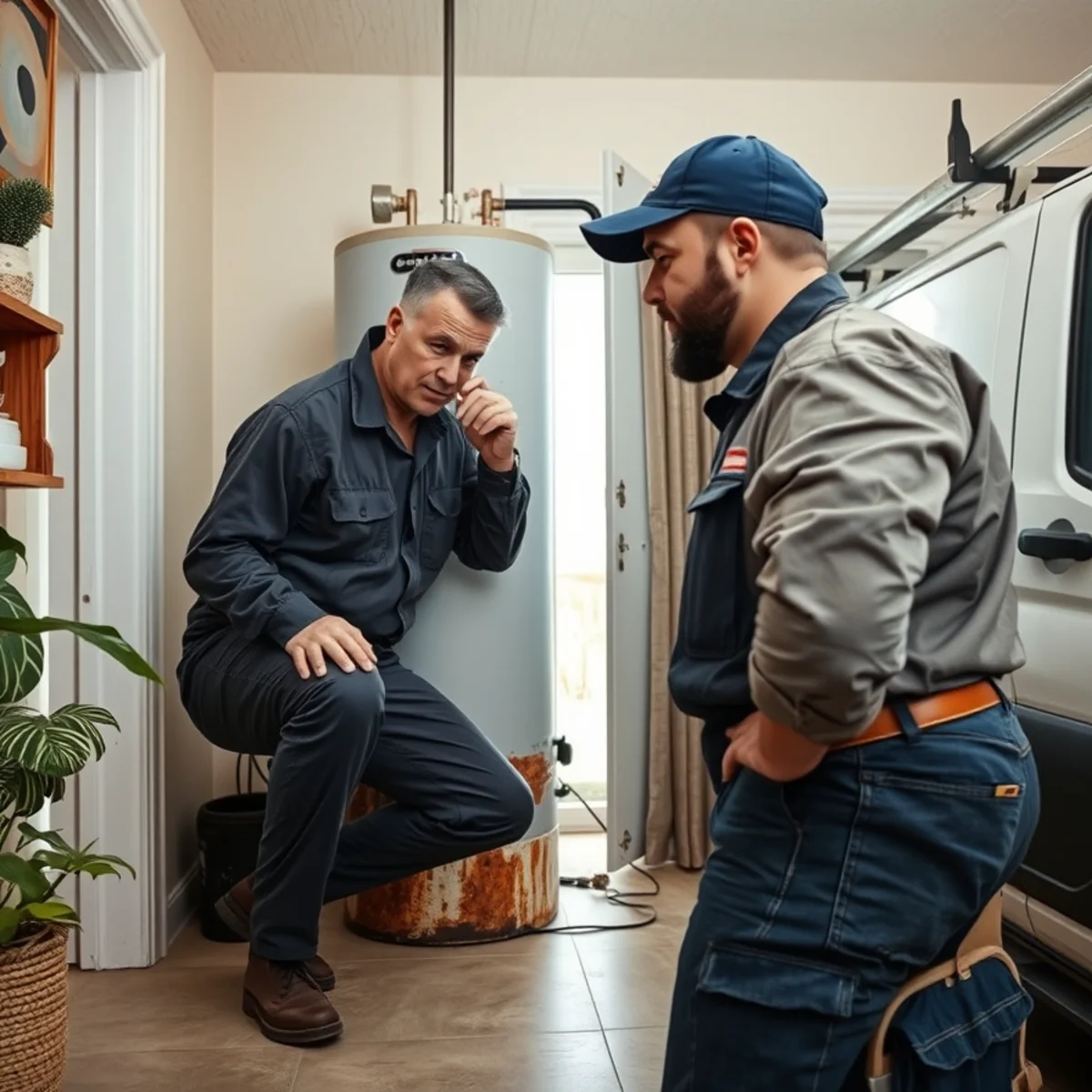
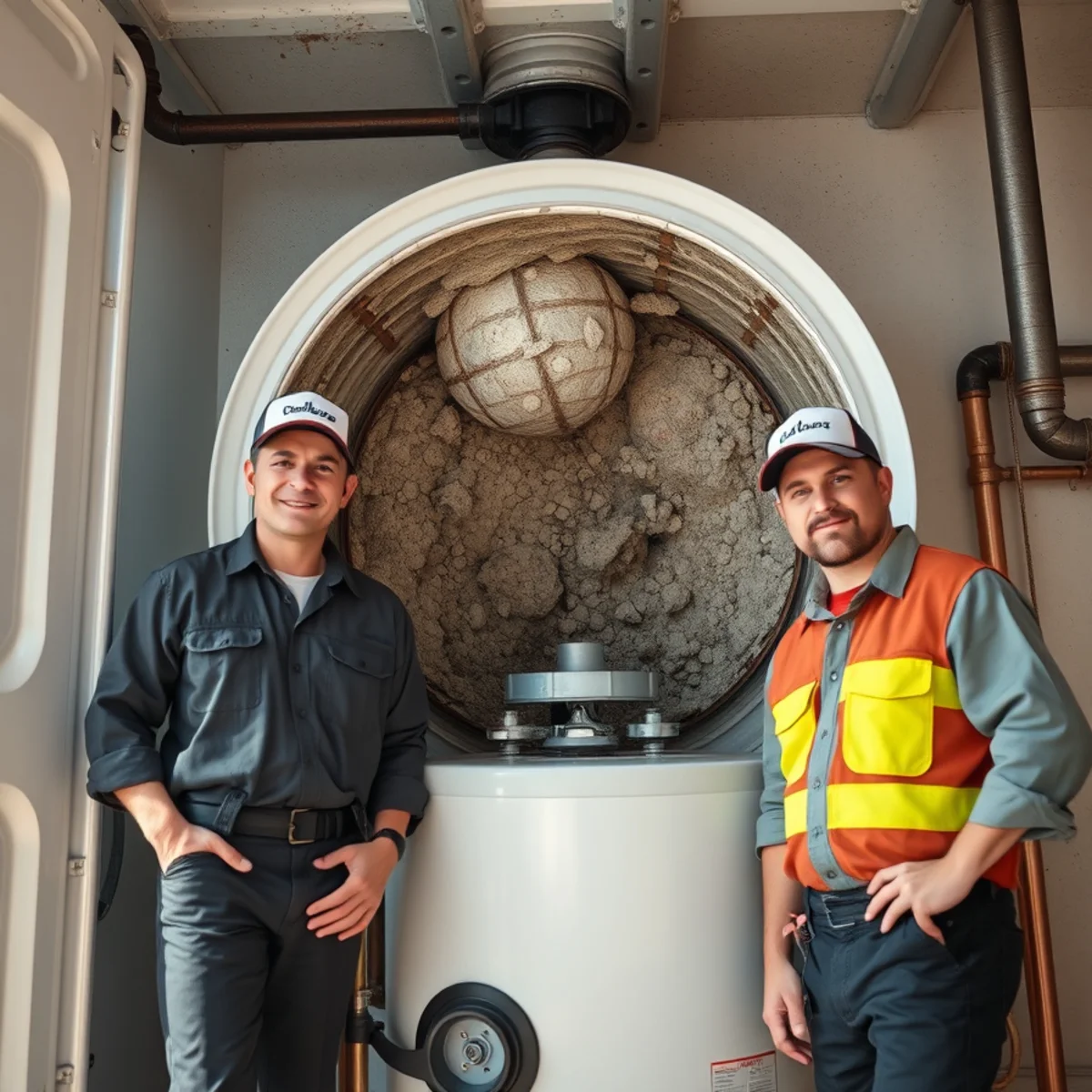
At 8 grains per gallon, Houston’s water isn’t extreme compared to some parts of Texas, but it’s more than enough to matter over a decade of daily use. Dissolved calcium and magnesium drop out of the water as it’s heated and settle as scale. On a gas water heater, that’s a layer of sediment insulating the bottom of the tank from the burner underneath it, so the burner runs longer and hotter to heat the same amount of water. On an electric unit, scale coats the heating element directly, which can cause it to overheat and fail years early.
The practical effect is higher gas or electric bills, slower recovery when the household showers back-to-back, and a tank that’s working harder right up until the day it stops working at all.
Flushing the Tank: The Single Best Habit
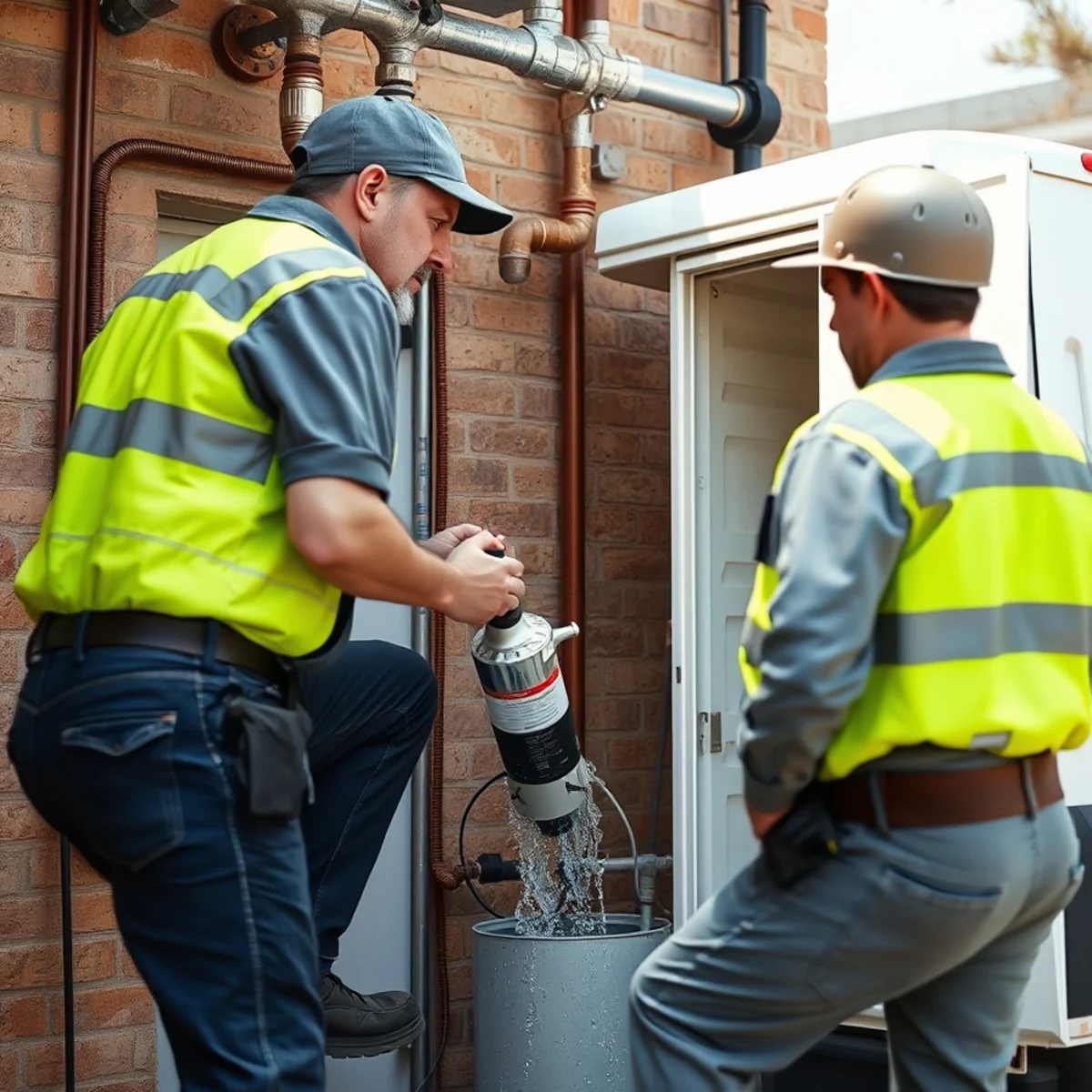
Flushing clears loose sediment before it hardens into a solid layer at the bottom of the tank. It’s the single most effective thing a homeowner can do, and it takes about 20 minutes:
- 1Turn off the power (electric) or set the gas valve to pilot so the burner doesn’t fire on an empty tank.
- 2Close the cold water supply valve at the top of the tank.
- 3Connect a garden hose to the drain valve near the bottom and run it to a floor drain or outside.
- 4Open the drain valve and a nearby hot water tap to let air into the system, and let the tank empty completely.
- 5Open the cold supply valve in short bursts to stir up and flush remaining sediment, then close the drain valve, refill the tank fully, and restore power or gas.
Expert tip: Expert tip: If your tank hasn’t been flushed in more than two or three years, the first flush may run cloudy or rust-colored for a while — that’s normal. If it won’t run clear at all, the sediment layer may already be too thick to fully clear, which is worth a professional look.
The Anode Rod: Your Tank’s Sacrificial Defense
Every tank water heater has a sacrificial anode rod — a metal rod designed to corrode first so the tank’s steel lining doesn’t. Hard water speeds up how fast the rod wears down, since the same mineral content that scales your tank also accelerates the electrochemical reaction the rod is built to absorb. Once the rod is fully consumed, the tank itself starts corroding, and that’s not a repair — that’s a replacement.
Check the anode rod every 2 to 3 years in a hard-water house (homes on softened water can stretch that out). If it’s worn down to bare wire in places or coated heavily in calcium, swapping it — typically $150 to $250 installed — is one of the cheapest ways to add years to a tank that would otherwise need full replacement.
Should You Install a Water Softener?
A whole-home softener treats the cause instead of the symptom: it removes calcium and magnesium before they reach the water heater, which dramatically slows scale buildup on the tank, fixtures, and even your dishwasher and washing machine. It’s a bigger upfront investment than flushing or an anode rod swap, but for a household that’s already replaced one water heater early, it often pencils out over the appliance’s lifetime.
If a full softener isn’t in the budget yet, a scale-reducing filter installed on the cold inlet line to the water heater is a lower-cost middle step that still takes some mineral load off the tank.
Set the Temperature Right
Temperature affects scale, too. Water heated above 140°F accelerates mineral precipitation, adding faster scale buildup on top of a higher scald risk and a higher energy bill. 120°F is the sweet spot for most households — hot enough for showers and dishes, cool enough to slow both scale and your utility cost. If your tank has been running hotter than that, turning it down is a free change that pays off twice.
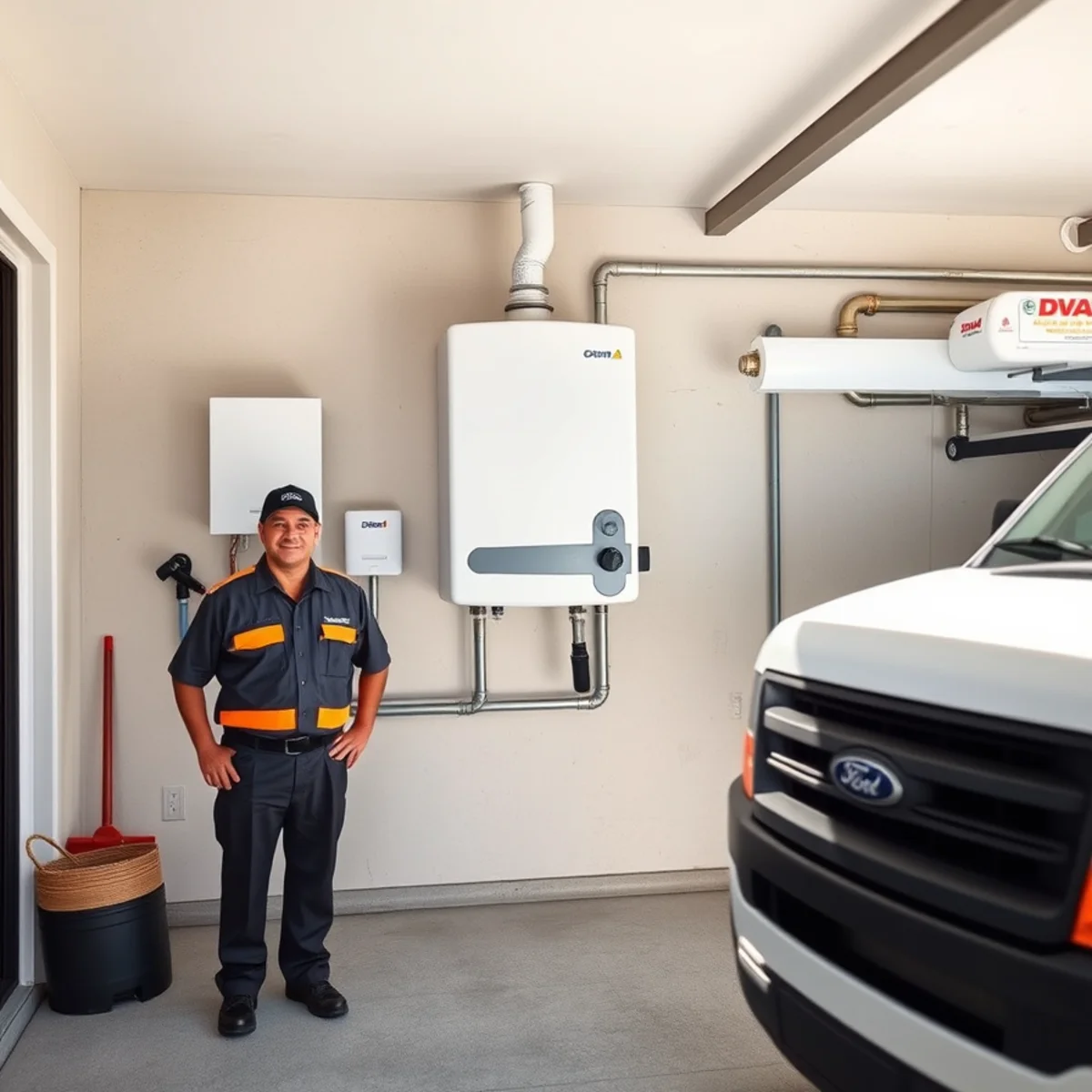
We handle full-service water heater maintenance and water heater repair across the area, including Meadows Place, where the same hard-water conditions apply whether your tank is three years old or twelve. If your tank is already past a decade of hard-water service, ask about a tankless water heater — sized correctly and paired with a softener, it sidesteps the sediment problem that shortens tank life in the first place.
Frequently Asked Questions
How often should I flush my water heater in Houston?
How do I know if my water heater has too much scale to save?
Does a tankless water heater avoid this problem?
Is it worth replacing the anode rod myself?
Written by the Plumber Bellaire TX team
Licensed Texas master plumbers based on Newcastle Street in Bellaire. We’ve spent years working the slab leaks, repipes, and sewer lines this article covers — right here in the City of Homes.
(614) 830-0578