How Hard Is Bellaire's Water? What 8 gpg Does to Your Water Heater
Every water heater in Bellaire is fighting the same slow battle: scale. Bellaire's municipal water runs at roughly 8 grains per gallon of hardness — moderately hard, not extreme, but more than enough to coat the inside of a tank in mineral deposits over a decade of daily heating cycles.
Most homeowners never think about water hardness until a water heater starts rumbling, recovers slower than it used to, or dies years ahead of schedule. The gpg number explains all three. Here's what it actually means and what to do about it.
Grains Per Gallon, Explained
Water hardness measures dissolved calcium and magnesium, reported in grains per gallon (gpg). Under 1 gpg is considered soft; 1 to 3.5 is slightly hard; 3.5 to 7 is moderately hard; 7 to 10.5 is hard; anything above that is very hard. Bellaire's municipal supply, drawn from a blend of surface water and groundwater sources serving the greater Houston system, tests at roughly 8 gpg — right at the line between moderately hard and hard.
That number matters because every gallon that passes through your water heater leaves a small amount of mineral behind once it's heated. Multiply that by the thousands of gallons a household runs through a tank every year, for ten-plus years, and the buildup is substantial even at a moderate hardness level.
Homeowners who want their own number rather than a citywide average can request the local water utility's annual water quality report, which lists hardness by testing period, or run a simple at-home test strip for a same-day reading. Either method lands close to that roughly 8 gpg figure, since Bellaire draws from a blended municipal supply rather than a private well with more variable mineral content.
What Hard Water Does Inside a Tank
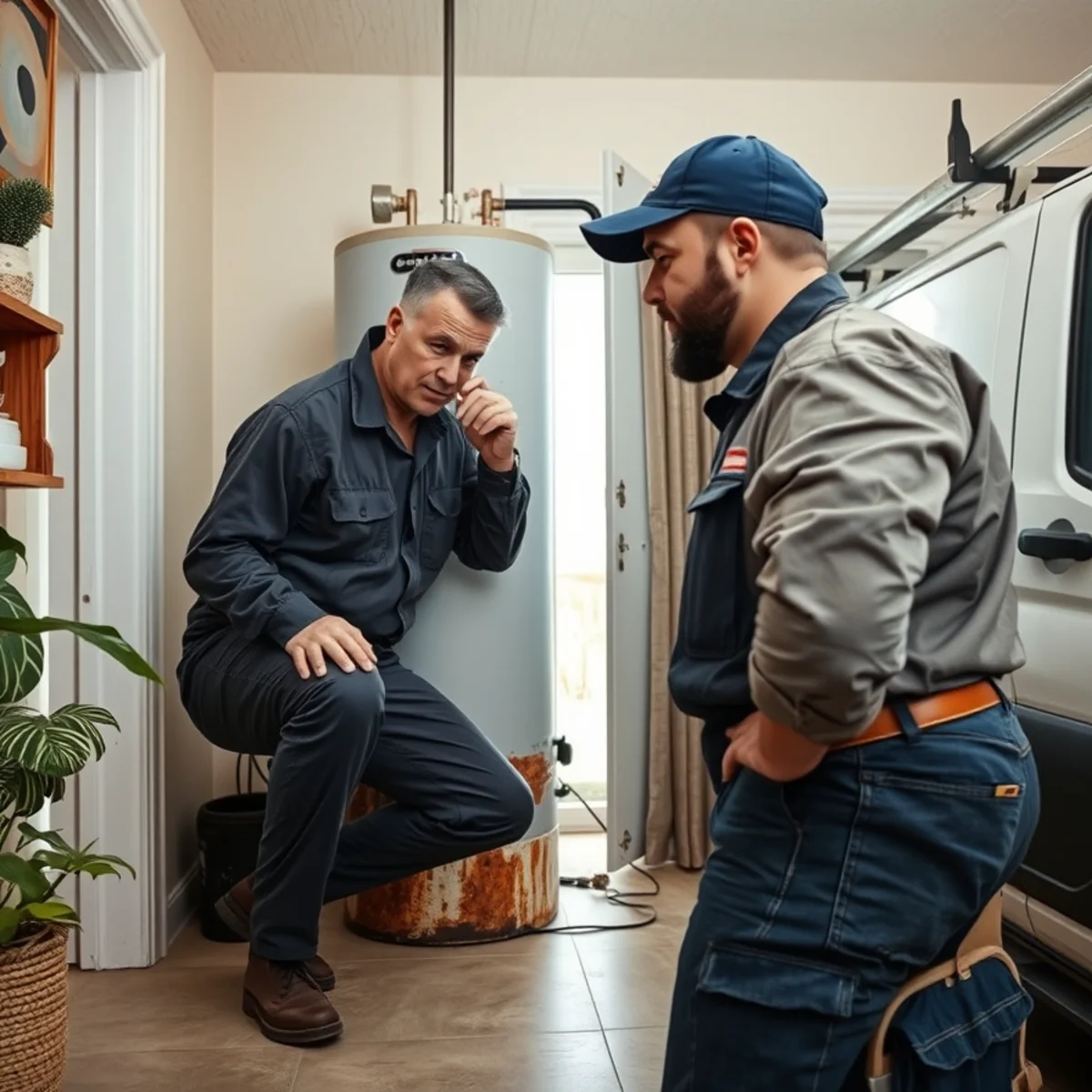
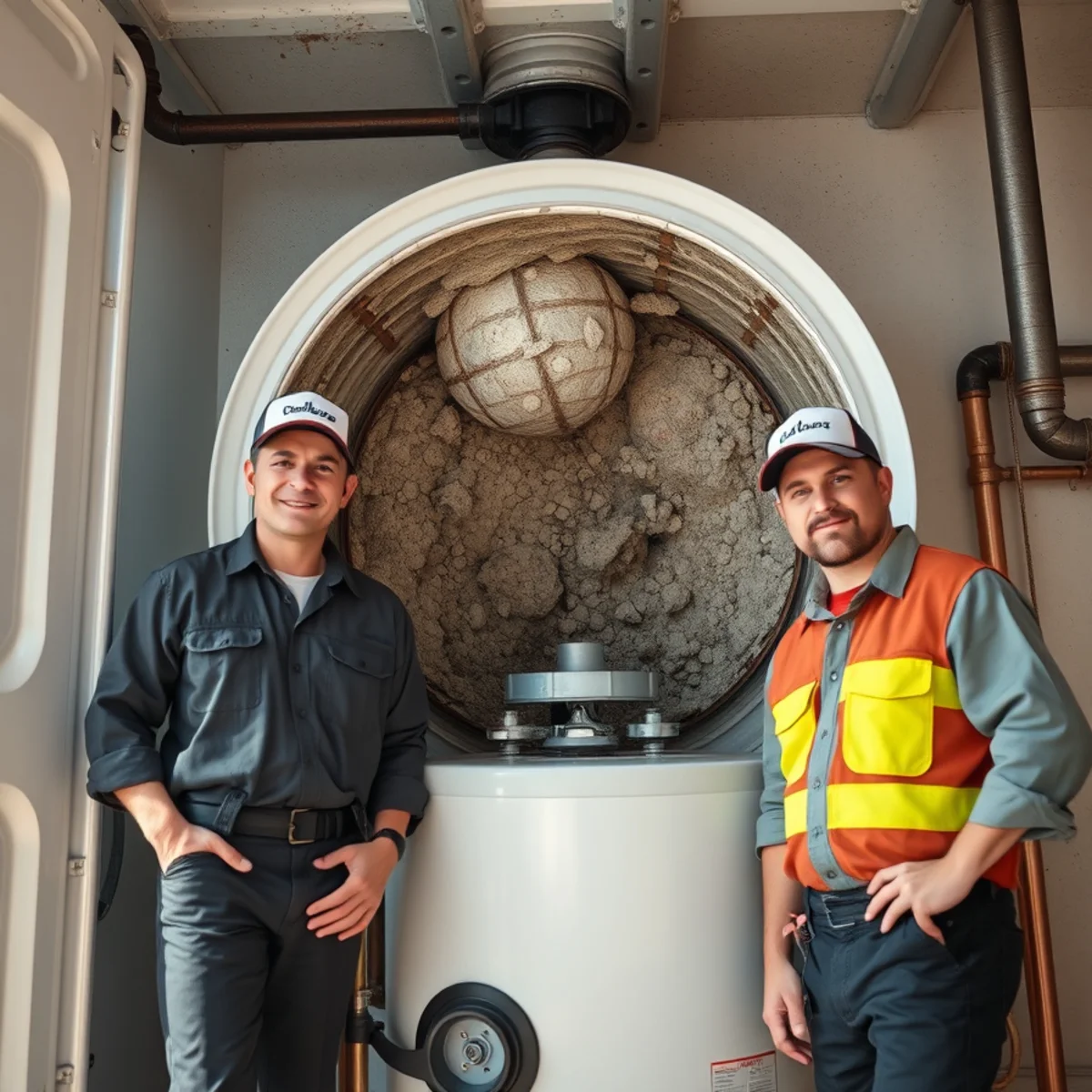
As water heats, dissolved calcium and magnesium fall out of solution and settle as sediment on the bottom of the tank. That layer acts as insulation between the burner or heating element and the water it's supposed to heat. On a gas tank, that shows up as a rumbling or popping sound — sometimes called kettling — as water boils underneath the sediment layer. On an electric tank, the lower heating element can overheat and burn out early because the sediment blocks it from transferring heat properly.
Either way, the tank has to work harder and longer to deliver the same hot water, which raises your energy bill gradually enough that most homeowners don't connect it to the water heater at all. Left long enough, sediment buildup is one of the most common reasons a tank fails years before its rated 10-to-12-year lifespan.
That energy cost compounds quietly. Sediment insulating the bottom of a gas tank, or coating an electric element, forces the unit to run longer to reach the same temperature — a cost that shows up as a few extra dollars a month on the utility bill rather than as one dramatic number, which is exactly why most homeowners never trace it back to scale until the tank fails outright.
Tankless Units Feel It Even More
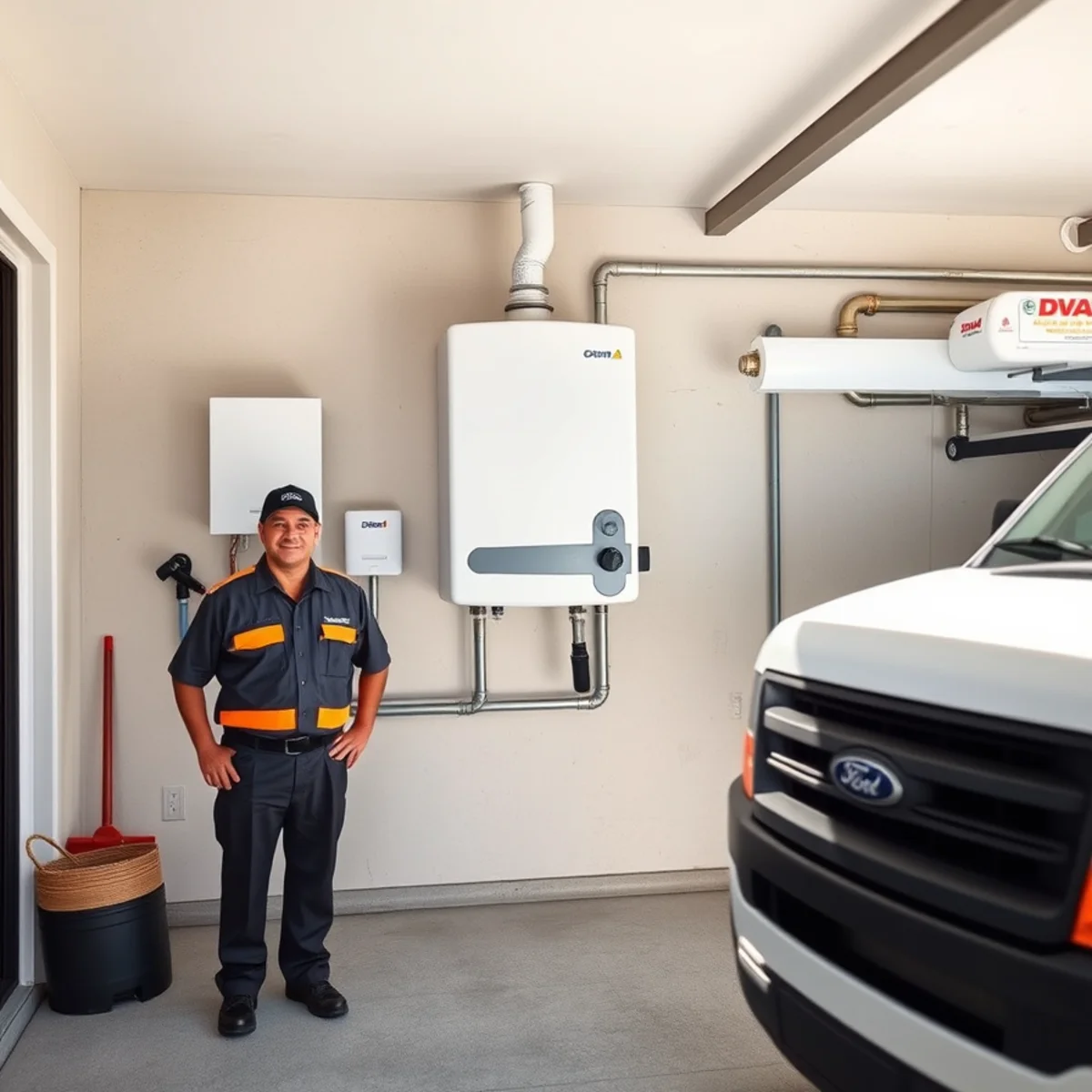
A tankless water heater doesn't store water, but it heats it fast as it passes through a compact heat exchanger with narrow internal passages — and narrow passages scale faster relative to their surface area than a large tank does. Most tankless manufacturers require documented annual descaling to keep the warranty valid in hard-water areas, and Bellaire's roughly 8 gpg supply qualifies. Skipping that flush is one of the fastest ways to void a tankless warranty and lose efficiency.
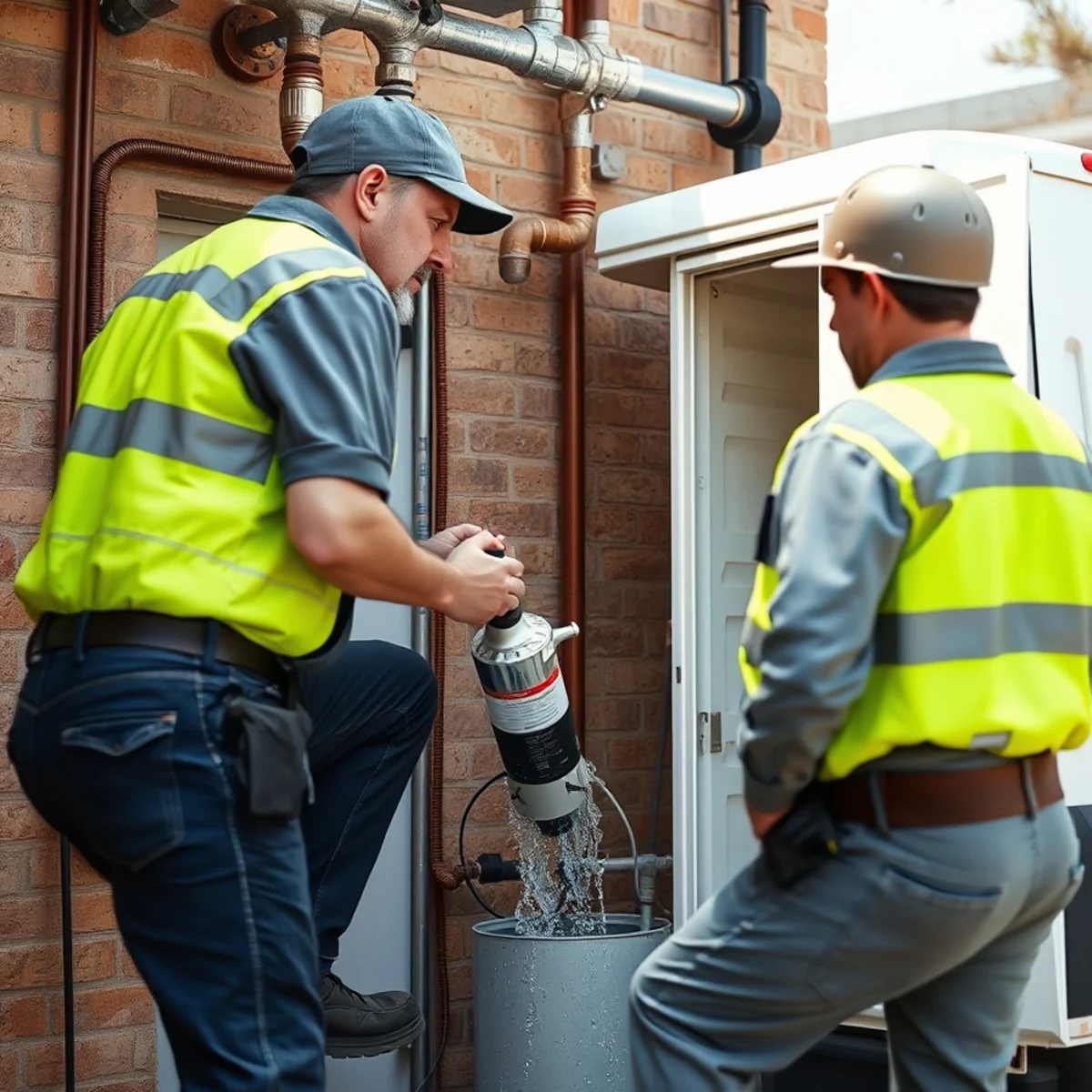
Descaling a tankless unit properly means isolating it with its service valves, connecting a small pump, and circulating a descaling solution through the heat exchanger for roughly 45 minutes to dissolve mineral buildup that a simple rinse can't touch. Our tankless water heater team builds this into annual service for Bellaire homes rather than waiting for the unit to throw a restricted-flow error code.
Water Softener vs. Annual Flushing: Which Makes Sense for Your Home
At Bellaire's roughly 8 gpg, you don't strictly need a softener — plenty of homes manage scale with nothing but a disciplined annual flush and get a full service life out of a tank. A softener is a bigger upfront investment and adds an ongoing cost in salt and periodic resin bed maintenance, but it protects more than just the water heater: fixtures, faucets, glassware, and even how soap and shampoo perform all improve once the calcium and magnesium are pulled out before they ever reach a tap.
The honest tradeoff is where each option's protection stops. Flushing alone keeps the tank in good shape but does nothing for the scale building up in aerators, shower heads, and glass shower doors throughout the house. A softener protects the whole house's plumbing but is a bigger project and an ongoing consumable cost that flushing alone doesn't carry. Homeowners who notice scale on fixtures, not just heater performance, are usually the ones for whom a softener earns back its cost in reduced maintenance elsewhere.
Homeowners wary of a traditional salt-based softener sometimes ask about salt-free conditioners or magnetic descalers instead. The honest answer: salt-based systems are the only technology with a long, well-documented track record of actually removing hardness minerals from the water; alternatives condition the water to reduce scale adhesion without truly softening it, which is a meaningfully different, and generally less effective, result.
Fighting Scale Before It Costs You
- Flush the tank annually to clear sediment before it insulates the burner or element
- Check the anode rod every couple of years — it sacrifices itself to corrosion so the tank doesn't have to
- Have a thermal expansion tank inspected if your system has one, since scale can affect its function too
- Consider a whole-home water softener if you're seeing scale on fixtures as well as heater trouble
- Set the thermostat to around 120°F — hotter settings accelerate mineral drop-out inside the tank
What a Real Water Heater Flush Involves
A flush isn't just cracking the drain valve for thirty seconds. Done right, it's a short process that doubles as an inspection of the tank's overall condition.
Homeowners comfortable with basic tools can handle this themselves on an electric tank. A gas unit adds a pilot or control-valve step that's worth having a professional walk through at least once, so you've seen it done correctly before attempting it solo.
- 1Power down the unit — shut off the gas control or electrical breaker before starting, and let the water cool if it's been recently used
- 2Connect a hose to the drain valve and run it to a floor drain or outside, then open the valve and a nearby hot tap to break the vacuum and let the tank drain fully
- 3Watch the color and volume of sediment coming out — heavy, gritty, or discolored sediment means the tank has gone too long between flushes
- 4Pull and inspect the anode rod while the tank is accessible, since it's the easiest time to check whether it needs replacing
- 5Refill the tank fully before restoring power or gas, since running a heating element dry can burn it out instantly
Signs Scale Is Already a Problem
A slower hot water recovery, discolored water at the tap, or a tank that's noticeably louder than it used to be are all signs the sediment layer has built up. If you're seeing any of these, water heater repair starts with a flush and inspection before anyone talks about replacement. For context on how much harder some Houston-area water can get, Cinco Ranch relies more heavily on groundwater through its municipal utility districts and can run 12 to 18 gpg — genuinely hard water that scales a tank noticeably faster than Bellaire's moderate 8 gpg supply.
None of these signs mean the tank is finished. Caught early, a flush and an anode rod check usually restore close to normal performance and buy the unit several more years. Ignored for a few additional years on top of years already passed without service, the same signs tend to end in a replacement conversation instead of a maintenance one — which is really the whole argument for treating an annual flush as routine rather than optional in a moderately hard water city like Bellaire.
Expert tip: Rumbling, popping, or a rattling sound from the tank almost always means sediment buildup — not a sign to ignore, since it's actively wearing on the heating element or burner underneath it.
Frequently Asked Questions
Is Bellaire's water considered hard?
Do I need a water softener in Bellaire?
How often should I flush my water heater?
Does hard water void my tankless water heater's warranty?
Is a water softener worth the cost in Bellaire?
Written by the Plumber Bellaire TX team
Licensed Texas master plumbers based on Newcastle Street in Bellaire. We’ve spent years working the slab leaks, repipes, and sewer lines this article covers — right here in the City of Homes.
(614) 830-0578