Gas work is not a place to cut corners. A gas leak is a safety emergency, and every gas line repair, extension, or new installation has to be done by a licensed plumber and tested to code. That is exactly the standard we hold.
We repair failing and corroded gas lines, run new lines for ranges, water heaters, pool heaters, generators, and outdoor kitchens, and perform pressure testing and leak detection when you suspect a problem. Every job is tested and left safe.
If you smell gas near your water heater, range, or meter, leave the area immediately and, from outside, call 911 and your gas utility right away — do not wait. Once the line is cleared, we find and repair the source and test it to code.
Signs of a Gas Line Problem
Treat any of these as urgent:
- A rotten-egg or sulfur smell near appliances, the meter, or the yard
- A hissing sound near a gas line or connection
- A gas appliance that will not stay lit or burns with an orange (not blue) flame
- Dead or discolored vegetation in a line running across the yard
- An unusually high gas bill with no change in usage
- Physical dizziness or nausea that eases when you leave the house
What Our Gas Line Service Includes
Every gas job — repair, new run, or leak check — follows the same safety standard:
- Gas leak detection and pressure testing
- Repair of corroded, damaged, or improperly installed line sections
- New line runs for ranges, cooktops, and ovens
- New line runs for tankless water heaters, pool heaters, and generators
- Outdoor kitchen and fire-feature gas line installation
- Line sizing calculated to total connected BTU demand, not just the new appliance
- Shutoff valve installation and replacement
- Permit filing and code-compliance testing before we call the job finished
Our Safety-First Gas Line Process
Every gas job follows the same disciplined steps:
- 1
Assess and isolate
We evaluate the line or appliance connection and, when a leak is suspected, safely isolate the gas supply.
- 2
Locate and test
We pressure-test the system and use leak-detection methods to pinpoint the exact source before opening anything up.
- 3
Repair or install to code
We repair, replace, or run new gas line using proper materials and sizing for the appliance load, and pull permits where required.
- 4
Verify and certify
We re-test the line, confirm there are no leaks, and leave the system safe and documented.
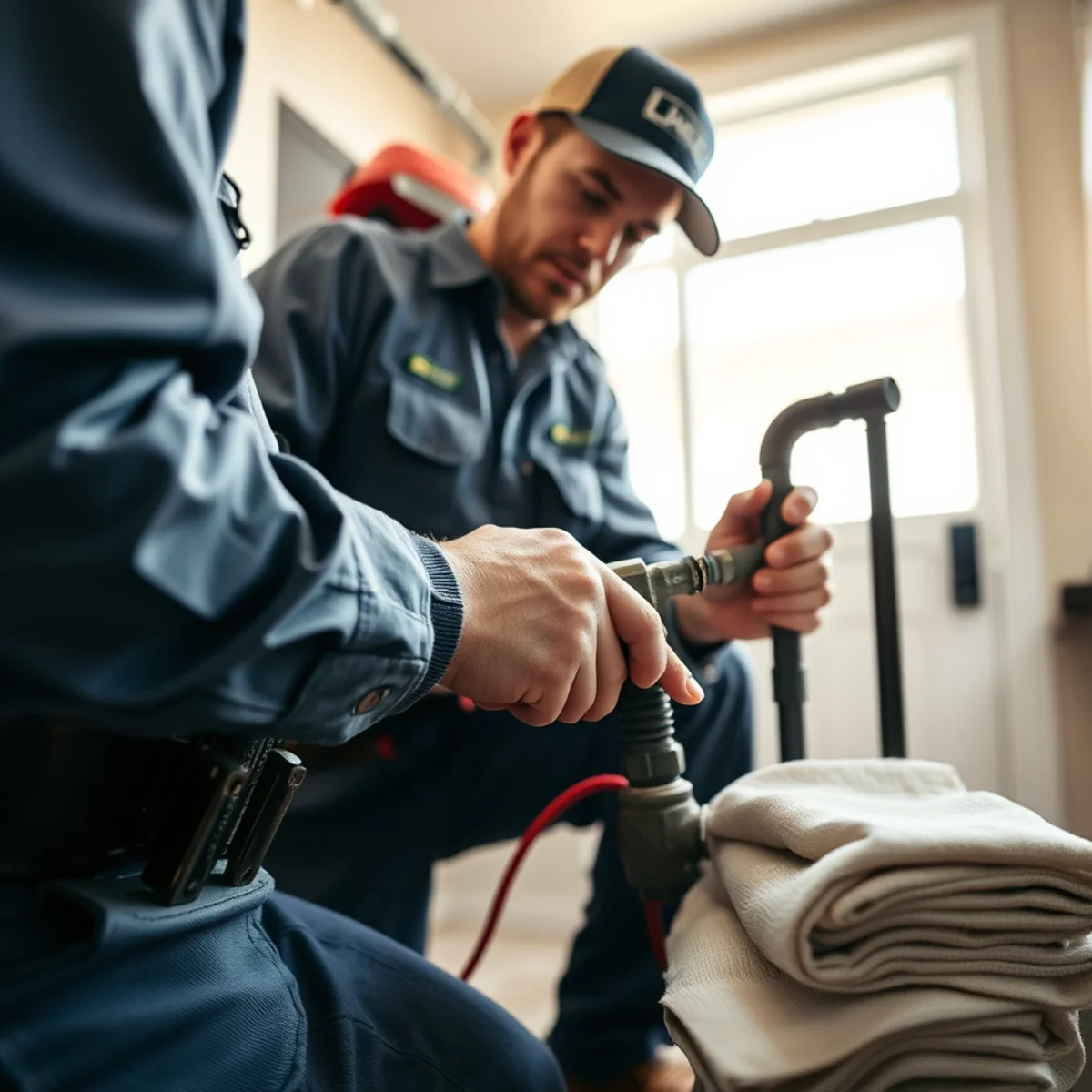
New Gas Lines for Ranges, Generators & Outdoor Kitchens
Bellaire’s teardown-rebuild and remodel activity keeps us busy running new gas. A pro-style range, a tankless water heater, a standby generator, a pool heater, or an outdoor kitchen each need a properly sized line and connection. Undersized gas piping is a common mistake that leaves appliances starved and underperforming.
We size the line to the appliance’s real BTU demand, install it to code, and test it — so your new range or generator gets the fuel it needs and the whole system stays safe.
Expert tip: If you ever smell gas, do not flip switches or light anything. Leave the home, and call us from outside. We treat gas calls as the safety emergencies they are.
Black Iron, Copper, or CSST: Identifying Your Gas System
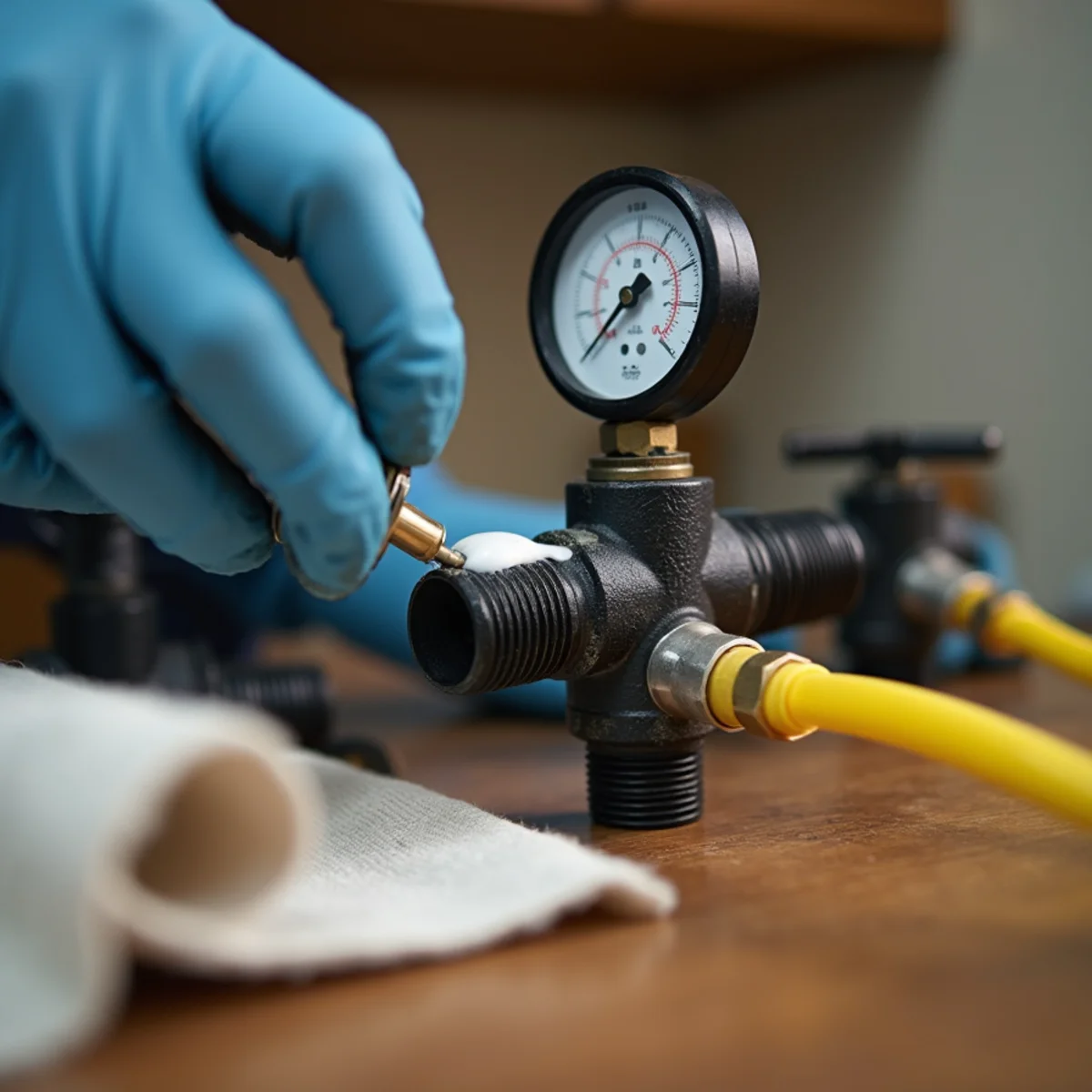
Most original Bellaire gas systems from the 1940s through the 1970s were run in black iron pipe — threaded, rigid, and durable, but inflexible and slow to extend. Remodels and additions since then have often introduced rigid copper or CSST (corrugated stainless steel tubing), a flexible yellow-jacketed line that is faster to route through finished walls and increasingly common in kitchen and outdoor-kitchen additions.
Mixing materials is normal in a home that has been added onto over decades, but every transition between black iron, copper, and CSST needs the correct fitting and bonding — CSST in particular requires proper electrical bonding to code. When we extend or repair a line, we identify what is already there before we touch it, so the new section is compatible and safe, not just close enough.
Adding a New Appliance? Why Line Sizing and Meter Capacity Matter
Every gas appliance already on your line — the furnace, the water heater, the range — draws from the same meter and the same trunk line. Add a pool heater or a standby generator without checking total demand, and you can starve every appliance on the system during peak draw, not just the new one. That shows up as a range that will not hit full flame, or a water heater that struggles, right when you are running the new appliance too.
Before we run a new line, we calculate the combined BTU load of everything on the system and confirm your meter and regulator can actually deliver it. Sometimes that means upsizing a trunk line or talking to the gas utility about a larger meter before the new appliance ever gets connected — a step that is easy to skip and expensive to discover after the fact.
Expert tip: A generator or pool heater is often the single biggest BTU draw in a house. Have the load calculated before you buy the appliance, not after it is sitting in your driveway.
Ready for gas line services in Bellaire?
Same-day service on most calls · 24/7 emergency line.
4.9/5 · 137+ reviewsLicensed Texas Master Plumber
What Affects Gas Line Cost
Gas work is quoted after we see the scope. Cost depends on:
- Repair of an existing line vs. running a new line
- The length of the run and how accessible the path is
- The appliance load (BTU demand) and required pipe size
- Leak detection and pressure testing involved
- Permit and inspection requirements
Every gas job is tested before we call it done — safety is not an upcharge, it is the standard.
Why Bellaire Homeowners Choose Plumber Bellaire TX for Gas Line Services
Gas line work has zero margin for a shortcut, so every line we run or repair is sized to the system’s real combined BTU demand and pressure-tested before we consider the job finished — not after a callback.
Gas Line Services Across Bellaire & the Inner Loop
We handle gas line repair, new appliance runs, and leak detection across Bellaire and its surrounding communities, from original 1950s black iron systems to copper and CSST runs in newer rebuilds and remodels. Explore your area for local details, or call (614) 830-0578.