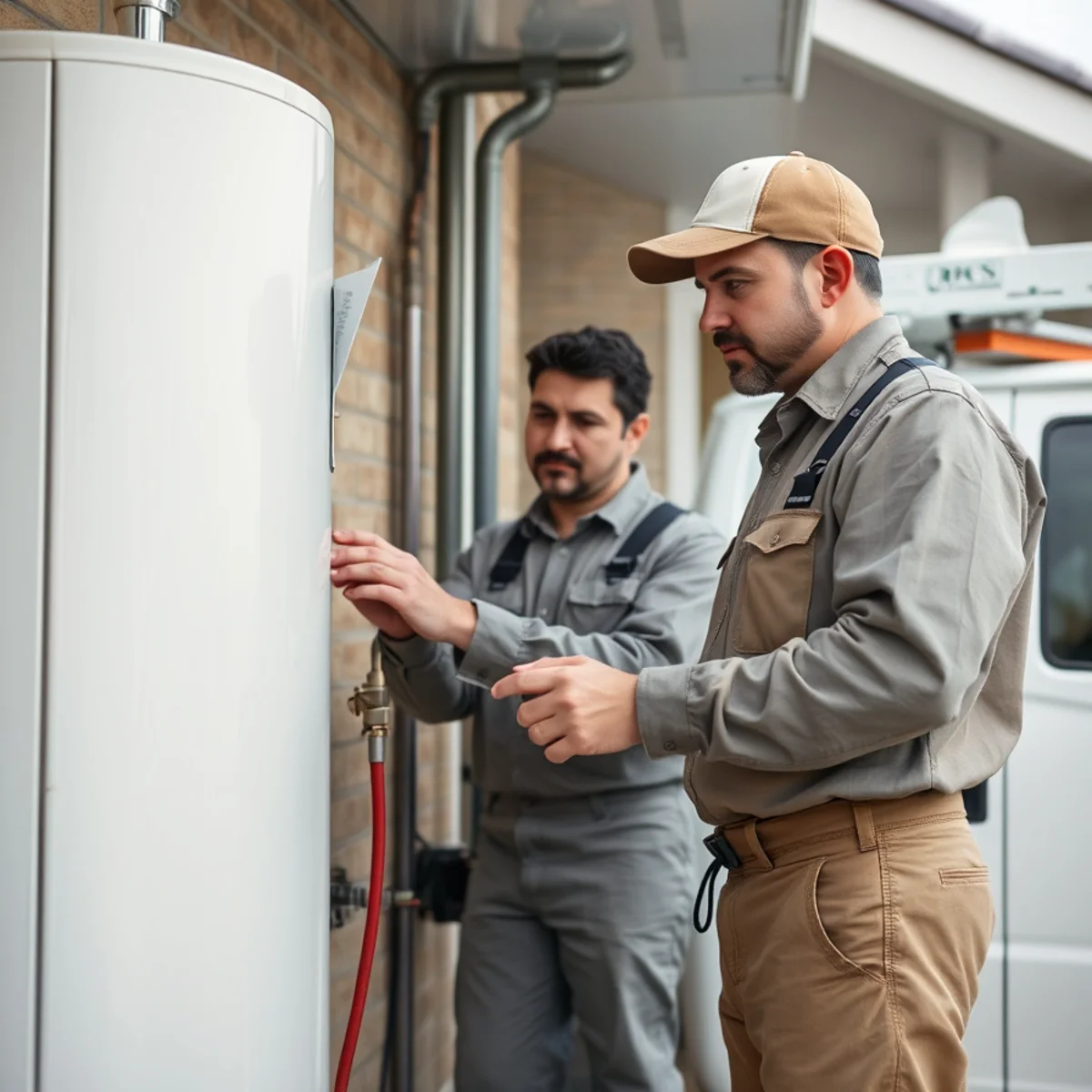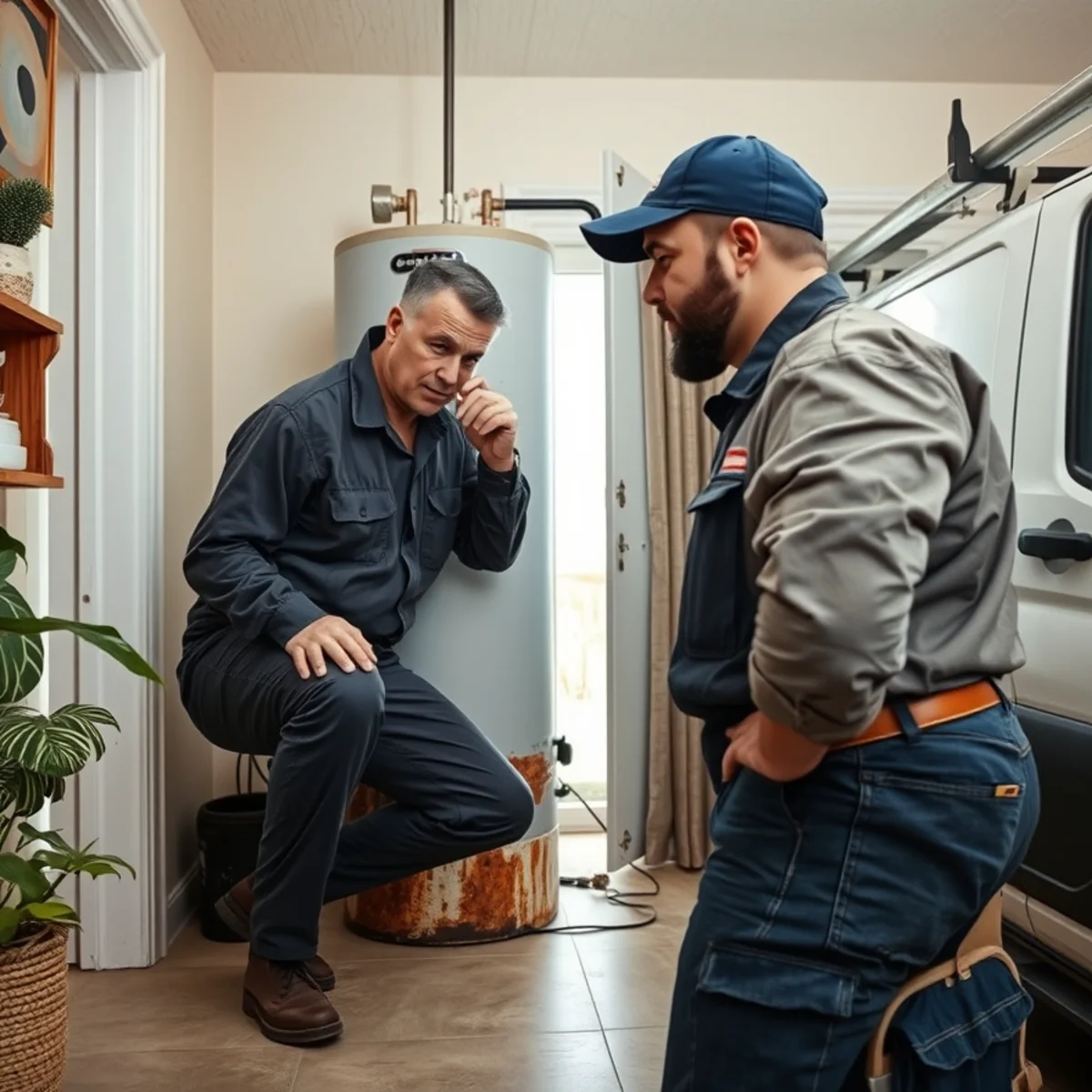
Gas Smell Near Your Water Heater? What Bellaire Homeowners Must Do
If you smell gas near your water heater, stop reading the rest of this article in that room. This is the one plumbing situation where speed and following the right order matters more than anything else — a gas leak is a fire and explosion risk, not a maintenance inconvenience. Get everyone out first. Read the details after you're safely outside.
Once you and your family are safely away from the house, here's exactly what to do next, and why natural gas water heaters occasionally develop this problem.
Right Now: Get Out, Then Get Help
- 1Leave the house immediately. Don't stop to open windows, don't turn on or off any light switch or appliance, and don't light a match or candle to "check."
- 2Once outside and at a safe distance, call 911 or your gas utility's emergency line — they will send someone to assess and, if needed, shut off gas at the meter.
- 3Do not go back inside until emergency responders or the gas utility confirms it's safe.
- 4Only after the immediate danger is cleared should you call a plumber to diagnose and repair the source of the leak.
Expert tip: Safety first: Never try to locate a gas leak yourself by smell alone, and never use an open flame, light switch, or phone inside a space where you smell gas — even a small spark can ignite accumulated gas.
What a Gas Smell Near a Water Heater Usually Means
Once the immediate danger has been addressed by the utility or fire department, the underlying cause is usually one of a few things: a loose or corroded gas fitting at the connection to the tank, a failing gas control valve, a cracked heat exchanger on the burner assembly, or, less commonly, a deteriorating flexible gas line that's reached the end of its service life. None of these are diagnoses you should make yourself with the gas back on; they require a licensed plumber with combustible gas detection equipment.
Age matters more than people expect here. A gas water heater original to the house, or a flexible connector that's never been replaced, is far more likely to be the source than a unit installed in the last few years — corrosion and metal fatigue take time to open a path for gas to escape.
Why You Shouldn't Just "Air It Out and See"
A faint gas smell that seems to fade doesn't mean the leak stopped — it often means the gas dispersed into a larger space or your nose has adjusted to the smell, a real phenomenon called olfactory fatigue. The leak itself is still there. Waiting to see if the smell comes back is how a small, fixable connection issue turns into a serious incident. Treat every gas smell as active until a professional confirms otherwise.
What a Licensed Plumber Checks Once It's Safe
- Every gas fitting and connection from the shutoff valve to the burner assembly, using a combustible gas detector rather than just a soap-bubble test.
- The condition of the flexible or rigid gas line feeding the unit, especially on older installations.
- The gas control valve and thermocouple assembly for proper sealing and function.
- Whether the water heater itself needs replacement rather than repair, if the leak stems from a cracked or failing component inside the unit.
Our Gas Line and Water Heater Response
We handle both sides of this problem: licensed gas line services to find and repair the actual source of the leak, and emergency water heater repair if the unit itself needs to be repaired or replaced afterward. Homes in Piney Point Village and similar wooded, established neighborhoods often have water heaters tucked in attics or closets where a slow leak can go unnoticed longer than one in an open garage — another reason not to delay once you do notice it.
Preventing the Next One
Gas fittings and flexible connector lines aren't meant to last the life of the house. If your water heater is original to a home built decades ago, or if it's simply been years since anyone inspected the gas connections, an annual check during routine water heater service catches corrosion and loose fittings long before they become a smell in your hallway.
It's a fifteen-minute add-on to a service call you're already scheduling, and it's far cheaper than an emergency visit and a night spent outside the house.
It's Not Always the Water Heater: Other Places a Gas Leak Can Start
If the smell is strongest near the water heater, that's still the most useful starting point, but a licensed plumber checks connections throughout the gas system, not just the one appliance you noticed first.
- Flexible gas connectors feeding a stove, dryer, or fireplace insert — these have a service life too, and kinking or corrosion at the connector is a common failure point separate from anything at the water heater.
- The rigid gas line and shutoff valve at the meter itself, especially after yard work, foundation settling, or digging near the gas line's path underground.
- Fittings behind a gas range that's been pulled out and pushed back for cleaning one too many times, gradually loosening a connection that was never meant to flex repeatedly.
- A cracked heat exchanger inside any gas appliance, not just a water heater — an older furnace is another common source.
Expert tip: Expert tip: If a combustible gas detector picks up a reading anywhere in the house, we trace every accessible fitting on that line, not just the appliance closest to the highest reading — gas travels along framing cavities before it reaches open air.
Mistakes That Make a Gas Leak More Dangerous
- Going back inside "just for a minute" to grab a phone charger or a pet before the utility confirms it's safe. Nothing inside is worth the risk, and it only takes one spark.
- Trying to tighten a fitting yourself once the gas is back on, thinking a wrench and a little tape will hold. Gas connections need a proper leak test after any work, not a visual check.
- Assuming a faint smell that comes and goes isn't worth reporting. Gas leaks can vary with wind, temperature, and pressure in the line — intermittent doesn't mean minor.
- Confusing a gas smell with a sewer gas smell and deciding to wait and see which one it is. If there's any doubt, treat it as gas, get everyone out, and rule out sewer gas once you're safely outside.
- Relying on smell alone in a space you've been in for a while — your nose adjusts to a constant odor within minutes, so "I don't smell it anymore" isn't proof the leak stopped.
- Assuming a professional already checked "everything" after a utility visit. Utility technicians typically confirm there's a leak and shut off gas at the meter for safety — they don't always diagnose or repair the source. That follow-up is the plumber's job, not something to skip because someone in a uniform already came by.
Frequently Asked Questions
What does a gas leak actually smell like?
Should I call a plumber or the gas company first?
Can a small gas smell near the water heater wait until morning?
How often should gas water heater connections be inspected?
Could a carbon monoxide detector have warned me instead of my nose?
Written by the Plumber Bellaire TX team
Licensed Texas master plumbers based on Newcastle Street in Bellaire. We’ve spent years working the slab leaks, repipes, and sewer lines this article covers — right here in the City of Homes.
(614) 830-0578