Annual Plumbing Maintenance Checklist for Bellaire Homeowners
Most homeowners treat plumbing like it doesn’t need attention until it fails — a burst pipe, a backed-up drain, a water heater that quits on a Tuesday morning. In a house built in the 1950s or 60s with original galvanized supply lines and cast iron drains, that approach eventually catches up with you. Bellaire’s building stock — the ranch homes, the slab foundations sitting on expansive clay, the mix of teardown-rebuilds next to 70-year-old originals — means plumbing systems age differently from one block to the next.
An annual maintenance calendar changes the math. Instead of discovering a slab leak from a $400 water bill or a sewer backup in your tub, you catch the slow leak, the failing anode rod, or the early root intrusion while it’s still a $150 fix instead of a $6,000 one. Below is the checklist we recommend to residential plumbing clients across Bellaire, organized by time of year so nothing falls through the cracks.
Why an Annual Schedule Matters More Here Than Most Places
Bellaire sits on the Beaumont Formation, a layer of expansive clay soil that swells when wet and shrinks when dry. That movement stresses slab foundations and the supply and drain lines running through and under them — which is why slab leaks and sewer line offsets show up here more than in newer, non-clay suburbs. Add in original galvanized pipe that’s now 50 to 70 years old and cast iron drains reaching the end of their service life, and waiting until something breaks becomes an expensive strategy.
On streets like Loveland Terrace, we see the full range of housing stock on a single block — a 1958 original ranch next to a 2019 teardown-rebuild. The maintenance needs differ for each, but both benefit from the same annual discipline: know the condition of what you can’t see before it forces the issue.
The Year-Round Checklist, Month by Month
A full year of small checks catches almost everything before it becomes an emergency call:
- 1January–February: Confirm your freeze protocol still works — drip faucets on exterior walls during a hard freeze and check that exposed attic and garage pipes are still insulated.
- 2March–April: Walk the yard after spring rains and look for soggy patches, sunken spots, or an unusually green strip of grass over the sewer line — early signs of a leak.
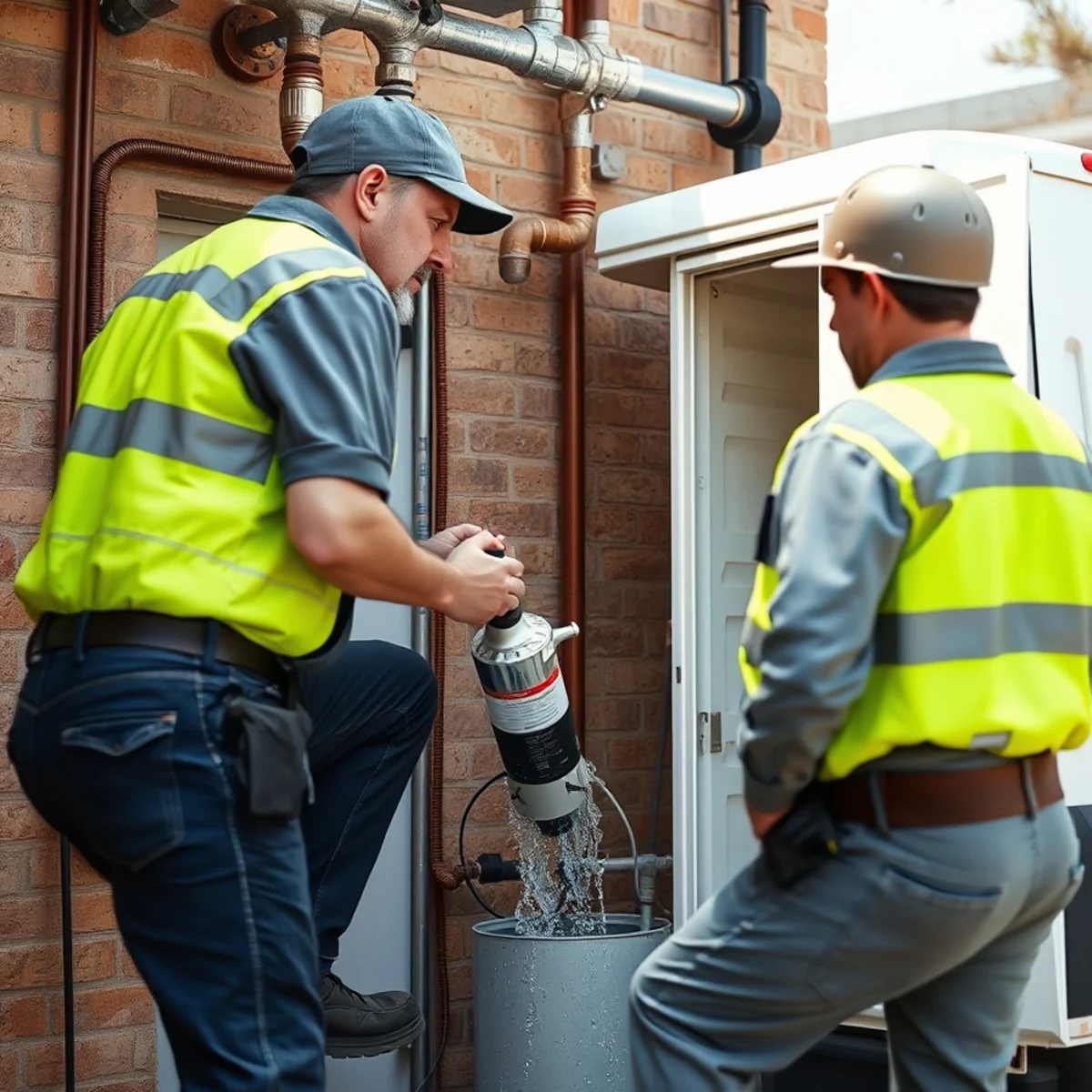
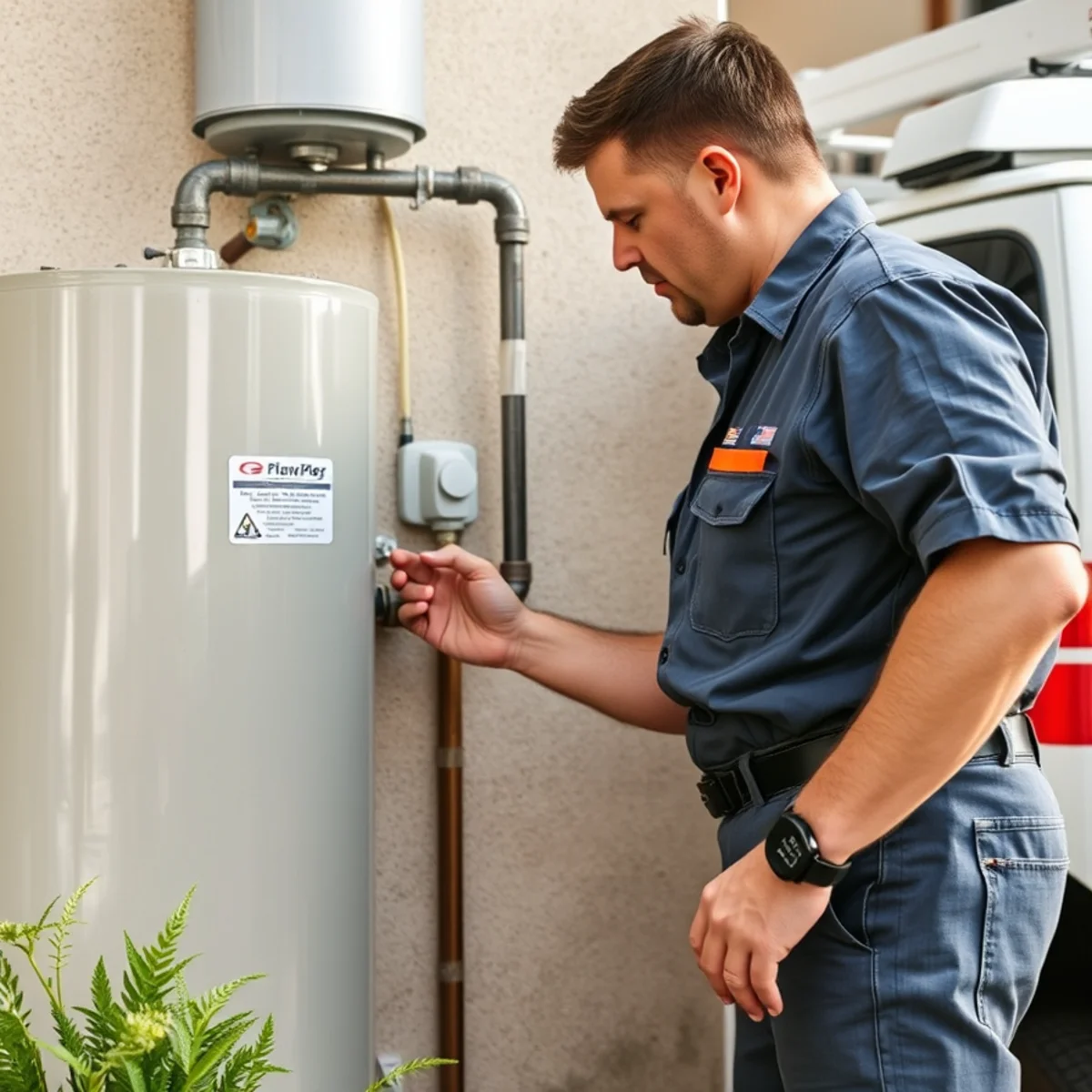
- 3May: Flush the water heater to clear sediment before summer demand peaks, and check the pressure-relief valve for proper operation.
- 4June: Test water pressure at an outdoor spigot with a simple gauge. Anything above 80 psi stresses fixtures and joints; a pressure-reducing valve may be worth adding.
- 5July–August: Run a dye-tablet test in each toilet tank to catch a silent leak before it shows up on your water bill.
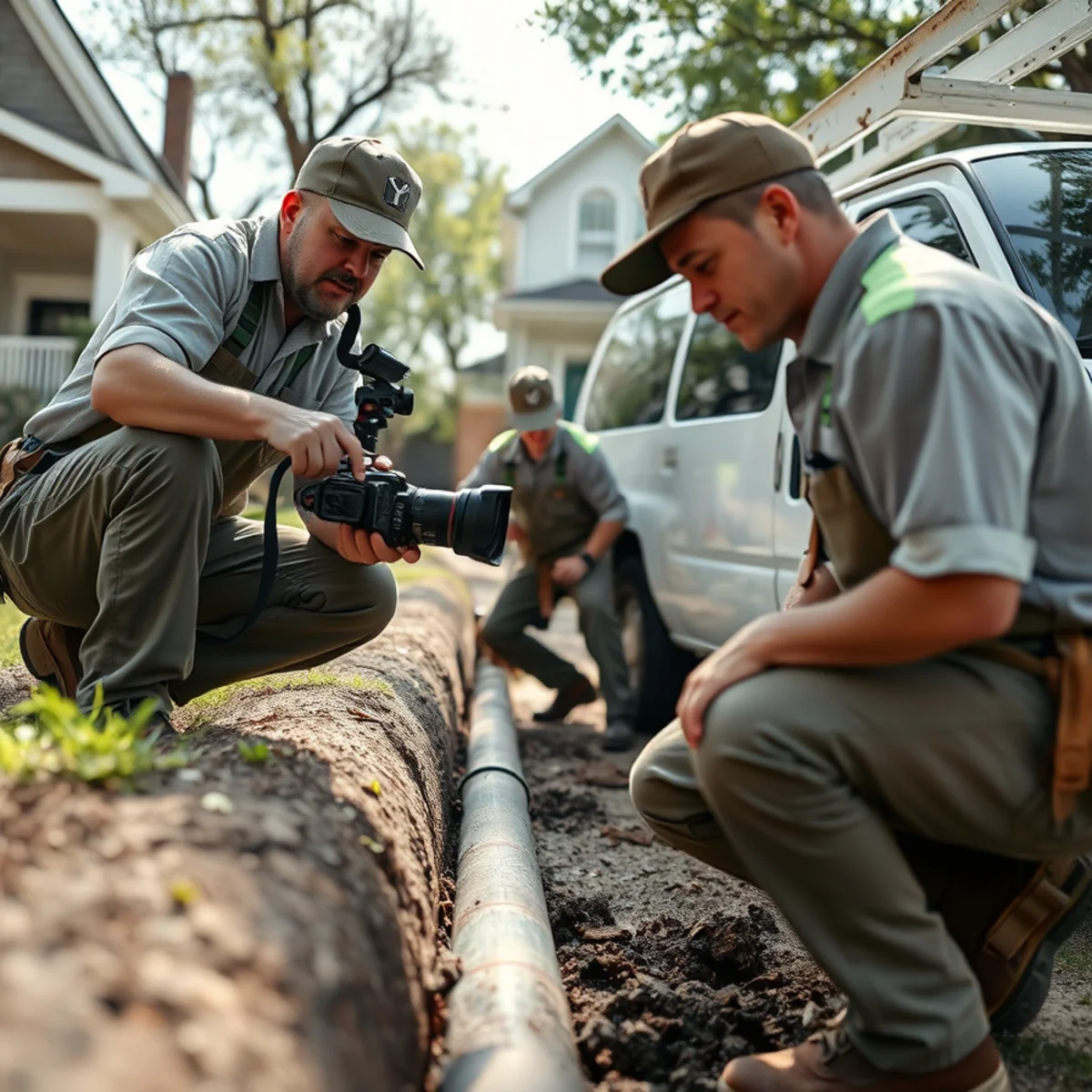
- 6September: Schedule a camera inspection of the sewer line, especially if you have mature trees nearby or know the home still has original cast iron.
- 7October: Test the main water shutoff valve. A valve that hasn’t been turned in years can seize — you want to find that out now, not during an emergency.
- 8November: Disconnect and drain garden hoses, insulate hose bibs, and check the water heater’s anode rod if it’s due (roughly every 2 to 3 years).
- 9December: Re-check attic and garage insulation before the first hard freeze and confirm your emergency shutoff location is something everyone in the house knows.
Three Checks That Prevent the Biggest Bills
Of everything on this list, three checks do the most to prevent expensive emergencies. The water heater flush matters most in Bellaire because of the area’s moderately hard water — sediment buildup shortens tank life and raises energy costs long before a unit actually fails. The sewer camera inspection matters just as much on older streets, where cast iron drains and mature trees are both original to the lot; a root intrusion caught early is a simple treatment, caught late is an emergency excavation. And the shutoff valve test takes five minutes but decides how fast you can respond to a burst pipe at two in the morning.
Expert tip: Expert tip: Write the date of each annual check on a piece of tape stuck inside your water heater closet or utility panel. It turns a vague memory into a quick answer when we ask when something was last serviced.
What a Professional Visit Catches That a Walkthrough Won’t
A homeowner can handle most of the list above with an hour and a checklist. What you can’t do yourself is see inside the pipes. A professional annual visit typically includes a pressure test at the meter, a visual check of every accessible supply and drain connection, and — for homes over 40 years old — a baseline camera run of the sewer line so you have a record to compare against next year. That comparison is what turns a vague sense that “the sewer line looks fine” into real proof it’s holding steady since last February, which is the difference between guessing and knowing.
We build this into every residential plumbing maintenance visit, priced as a flat inspection rather than a diagnostic call, so there’s no incentive to find problems that aren’t there. The water-heater flush on that checklist is the same one our water heater repair team performs, and skipping it is the most common reason a Bellaire tank fails years before it should.
Frequently Asked Questions
How much does an annual plumbing inspection cost in Bellaire?
My house is a teardown-rebuild with all-new plumbing. Do I still need annual maintenance?
What’s the single most important item on this checklist?
How do I know if my home still has original galvanized or cast iron pipe?
Written by the Plumber Bellaire TX team
Licensed Texas master plumbers based on Newcastle Street in Bellaire. We’ve spent years working the slab leaks, repipes, and sewer lines this article covers — right here in the City of Homes.
(614) 830-0578