How to Prevent Tree Root Intrusion in Your Sewer Line
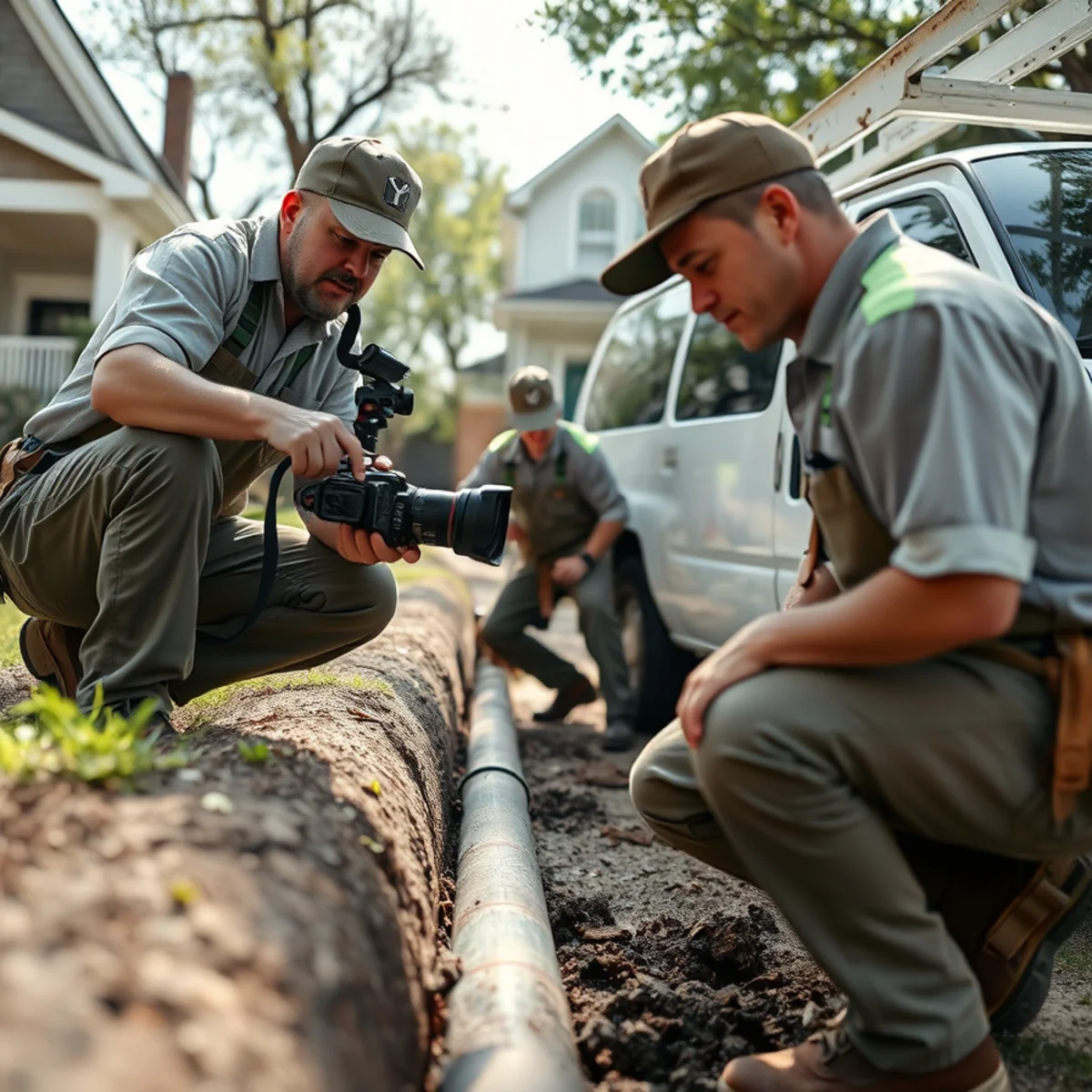
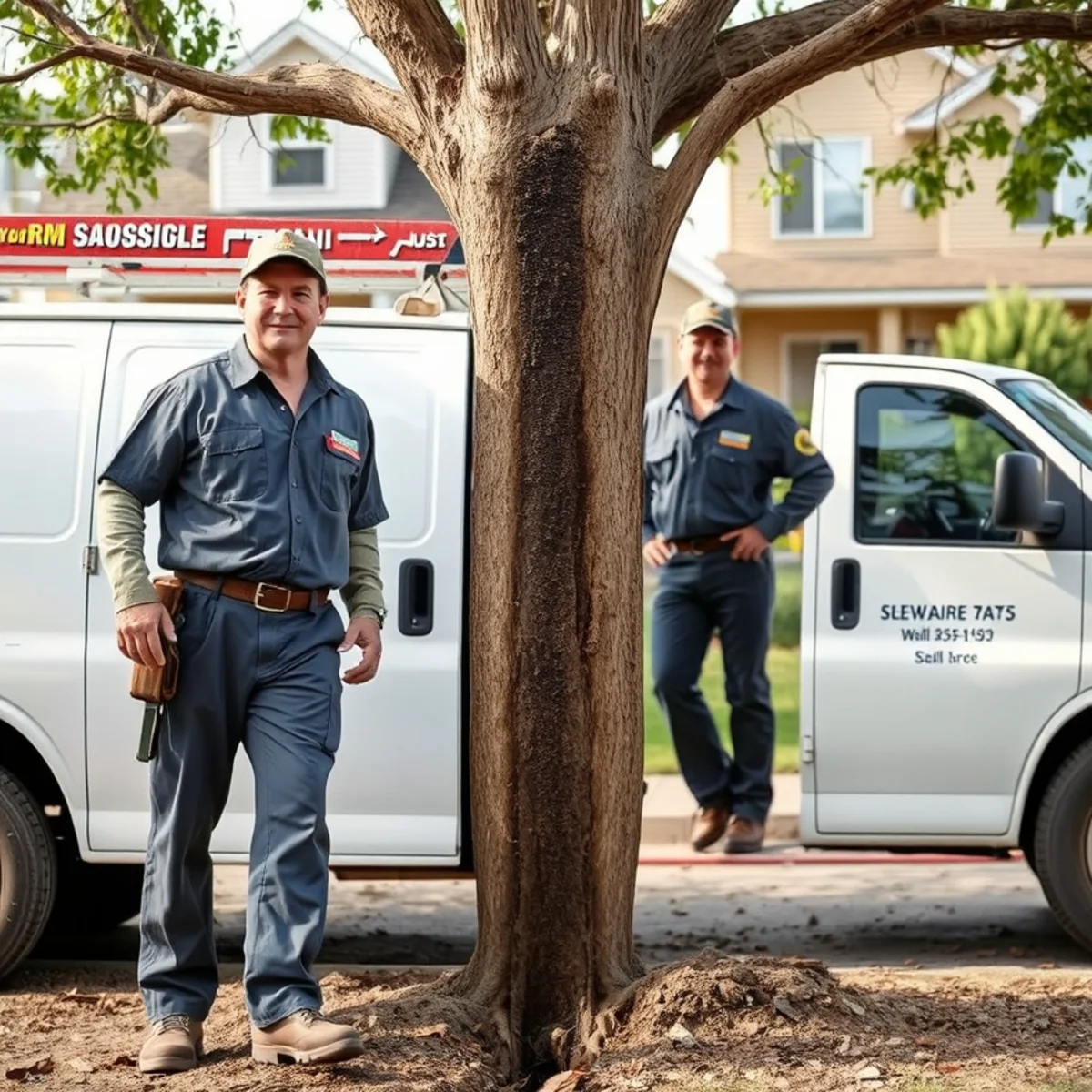
Tree roots don’t attack a healthy sewer line. They find water first — condensation seeping from a hairline crack, a loose joint on 60-year-old clay or cast iron pipe, a gap where a root has already worked its way in — and then they exploit it. By the time you notice a slow drain or a sewage smell in the yard, roots have often had months or years to grow inside the pipe. Prevention beats treatment here, because a mature root mass inside a sewer line is a far bigger job than keeping one out in the first place.
The good news is that root intrusion is one of the more preventable plumbing problems a Bellaire homeowner faces. It takes a mix of knowing your pipe’s condition, treating roots before they establish, and making a few smart calls about what you plant and where. Here’s the full prevention plan.
Start With a Baseline Camera Inspection
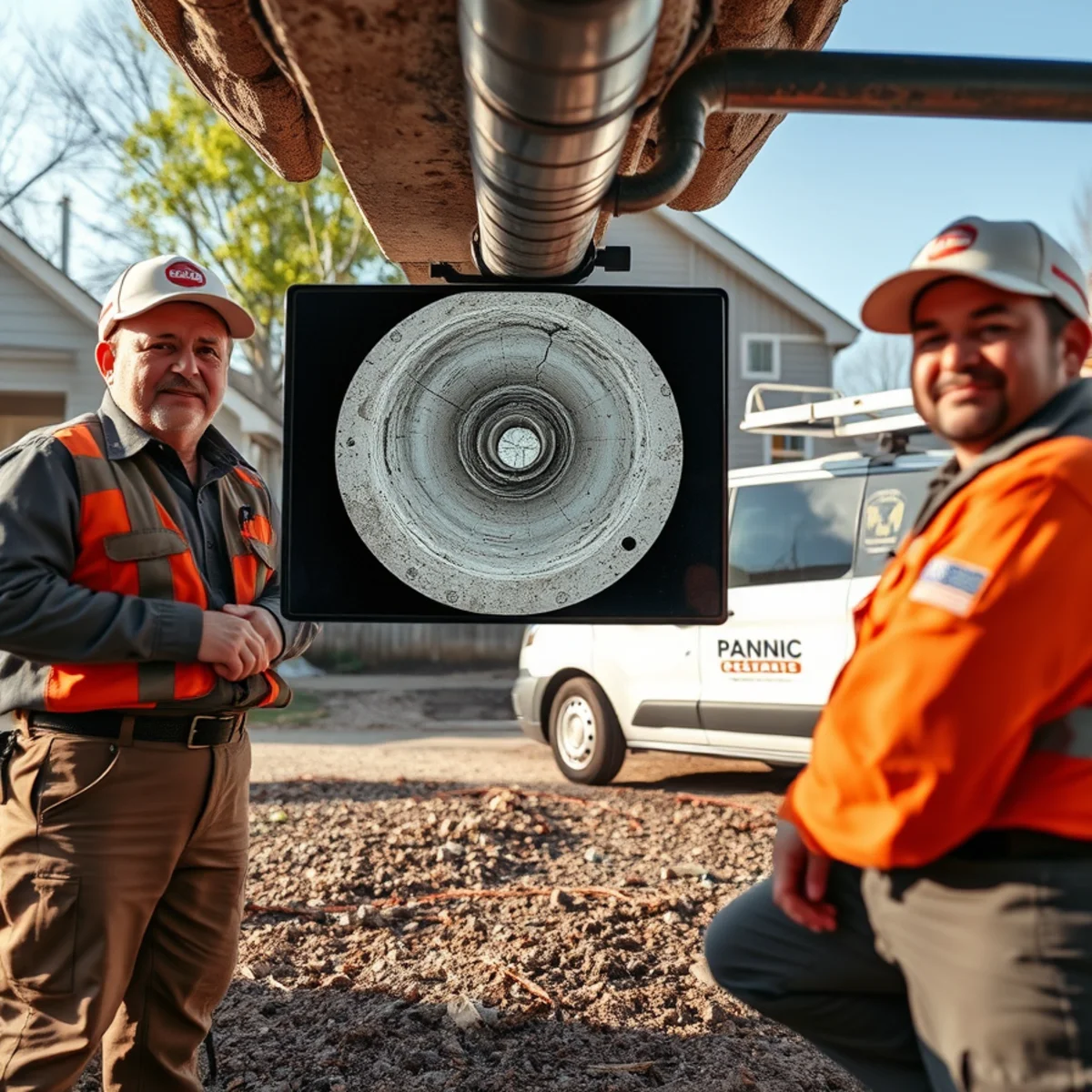
You cannot prevent what you cannot see. A camera inspection of your sewer line establishes a baseline: pipe material, joint condition, any existing cracks or offsets, and whether roots have already found their way in. Without that baseline, preventing root intrusion is really just hoping.
This matters most on older streets like Bellaire Oaks, where the neighborhood’s namesake mature oak canopy sits directly above sewer lines that are frequently 50 to 70 years old and made of clay or cast iron — both materials with joints roots exploit far more easily than modern PVC. If you’ve owned your home more than a few years and have never had a camera inspection, that’s the first call to make, not the last.
Expert tip: Expert tip: Ask for a recorded copy of your camera inspection, not just a verbal summary. It becomes your comparison point for every future inspection — and proof of pipe condition if you ever sell.
Root Treatment: Chemical, Mechanical, or Both
Once you know where a line is vulnerable — or where roots have already made minor entry — a few preventive treatments keep them from taking hold:
- Foaming root treatments, applied through the cleanout, coat the inside of the pipe and kill root hairs on contact without harming the tree itself — typically reapplied every 6 to 12 months on higher-risk lines.
- Mechanical jetting clears any existing root mass and cleans the pipe walls, giving a chemical treatment a clean surface to bond to.
- Copper-based treatments work similarly but require more caution near vegetable gardens and edible landscaping, so they’re less common close to mature yards.
- None of these fix a cracked or offset pipe — they only slow new root growth. If your baseline inspection shows structural damage, treatment buys time, not a permanent solution.
Pipe Lining: The Permanent Fix for Vulnerable Joints
For a line with multiple root-prone joints, or one that keeps seeing repeat intrusion, trenchless pipe lining (cured-in-place pipe, or CIPP) is the closest thing to a permanent fix. A resin-saturated liner is pulled through the existing pipe and cured in place, creating a new jointless pipe inside the old one — no joints means roots have nothing left to find. It installs through existing access points, so mature landscaping and hardscaping stay untouched.
Lining costs more upfront than a round of chemical treatment, but for a line that needs root cutting every year or two, it typically pays for itself within a handful of service calls.
Planting Smart: Distance and Species Matter
The easiest prevention happens before a tree ever goes in the ground:
- Keep new trees at least 10 feet from any known sewer line, and larger species like live oaks — Bellaire’s signature tree — at 15 to 20 feet where possible.
- Favor species with less aggressive root systems, such as crape myrtle or yaupon holly, near any run you know sits close to the line.
- If a mature, high-value tree already sits near the line, don’t remove it — manage the risk with scheduled treatment and monitoring instead. A camera inspection every year or two is far cheaper than losing a 50-year-old oak.
- Avoid routing heavy irrigation or French drains directly along the sewer line’s path. Roots grow toward moisture, and you don’t want to be advertising it.
When Roots Become an Emergency, Not a Maintenance Item
Prevention has limits. If roots have already grown enough to slow or stop flow through the line, that’s no longer a scheduling decision — it’s an active backup risk that can push sewage into your lowest drains without warning. Watch for:
- Multiple slow drains at once, especially fixtures on the lowest level of the house.
- Gurgling sounds from a toilet or tub when another fixture drains nearby.
- A sewage odor in the yard along the line’s path, especially after rain.
- Standing water near a cleanout cap that’s normally dry.
Build Root Prevention Into Your Maintenance Routine
Any of the signs above means roots already have a foothold, and it’s time for a camera inspection and likely a mechanical cutting before any preventive treatment goes back in. Waiting for a full backup to confirm the problem almost always costs more than catching it at the slow-drain stage.
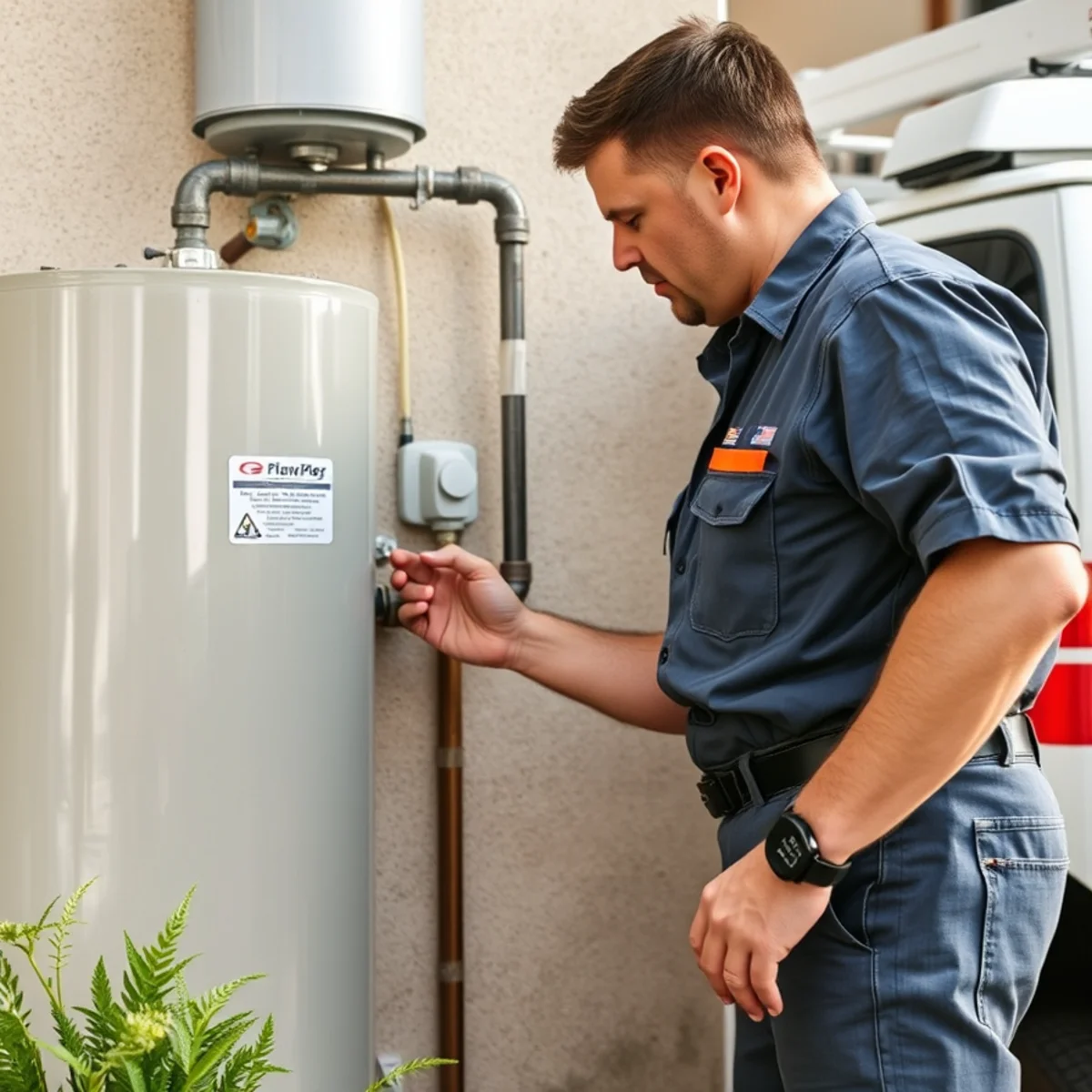
Root prevention isn’t a one-time fix; it’s a recurring line item, the same as flushing a water heater or testing a shutoff valve. We fold camera inspections and preventive treatment into scheduled sewer line repair visits, so a Bellaire Oaks homeowner isn’t choosing between keeping the trees and keeping the sewer line clear — with the right schedule, you get both. When roots have already taken hold, that same visit usually pairs the camera with a hydro-jetting drain cleaning to scour the line clean before we treat it, rather than just punching a hole through the mass.
Frequently Asked Questions
How do I know if roots are already in my sewer line?
Will removing a tree stop root intrusion for good?
How often should I have my sewer line treated if I know it’s at risk?
Is pipe lining disruptive to my yard or landscaping?
Written by the Plumber Bellaire TX team
Licensed Texas master plumbers based on Newcastle Street in Bellaire. We’ve spent years working the slab leaks, repipes, and sewer lines this article covers — right here in the City of Homes.
(614) 830-0578