Tankless Water Heaters: Are They Worth It for a Bellaire Ranch Home?
Tankless water heaters get marketed as a universal upgrade: endless hot water, smaller footprint, lower bills. For a 1950s or 60s Bellaire ranch home, that pitch skips over a few things that actually determine whether it's the right call for your specific house.
The honest answer depends on your existing gas line size, your venting path, and whether you're willing to commit to the one maintenance task hard water makes mandatory. Here's how to actually work through that decision instead of taking a sales pitch at face value.
How Tankless Actually Works, and Why That Changes the Math
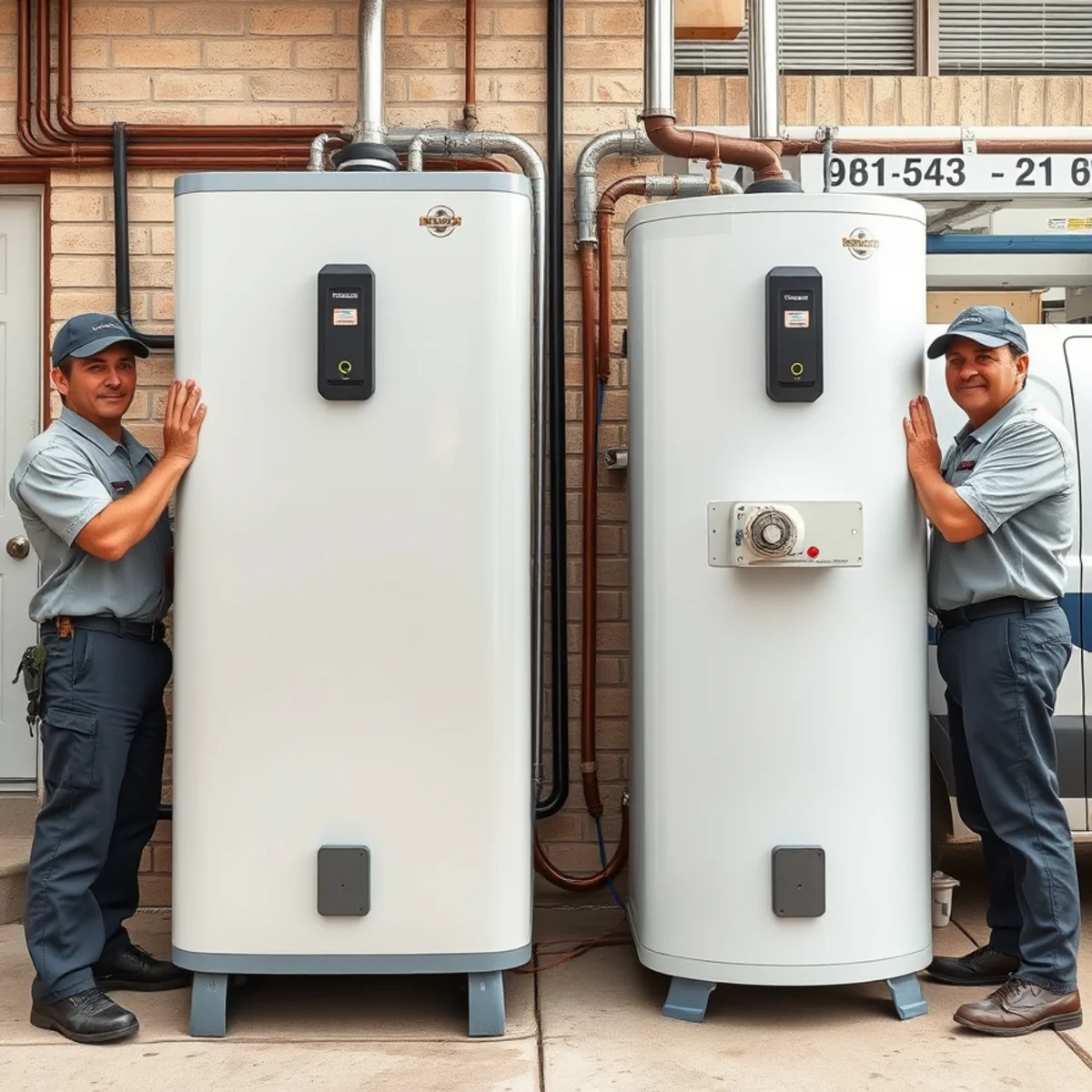
A tank water heater keeps 40 to 50 gallons hot around the clock, reheating constantly to offset standby heat loss even when no one's using hot water. A tankless unit only fires when a fixture calls for hot water, running that flow through a heat exchanger heated by a high-BTU burner on demand, then shutting off. No standing tank, no standby loss, and, within the unit's flow-rate limit, hot water that doesn't run out. That on-demand design is also why sizing matters so much: a unit rated for your home's peak simultaneous draw delivers on the endless-hot-water promise, while an undersized one just moves the point where hot water runs out from the tank to the heat exchanger's flow limit.
The Real Advantages
- Hot water doesn't run out partway through back-to-back showers or a full load of laundry and dishes at once.
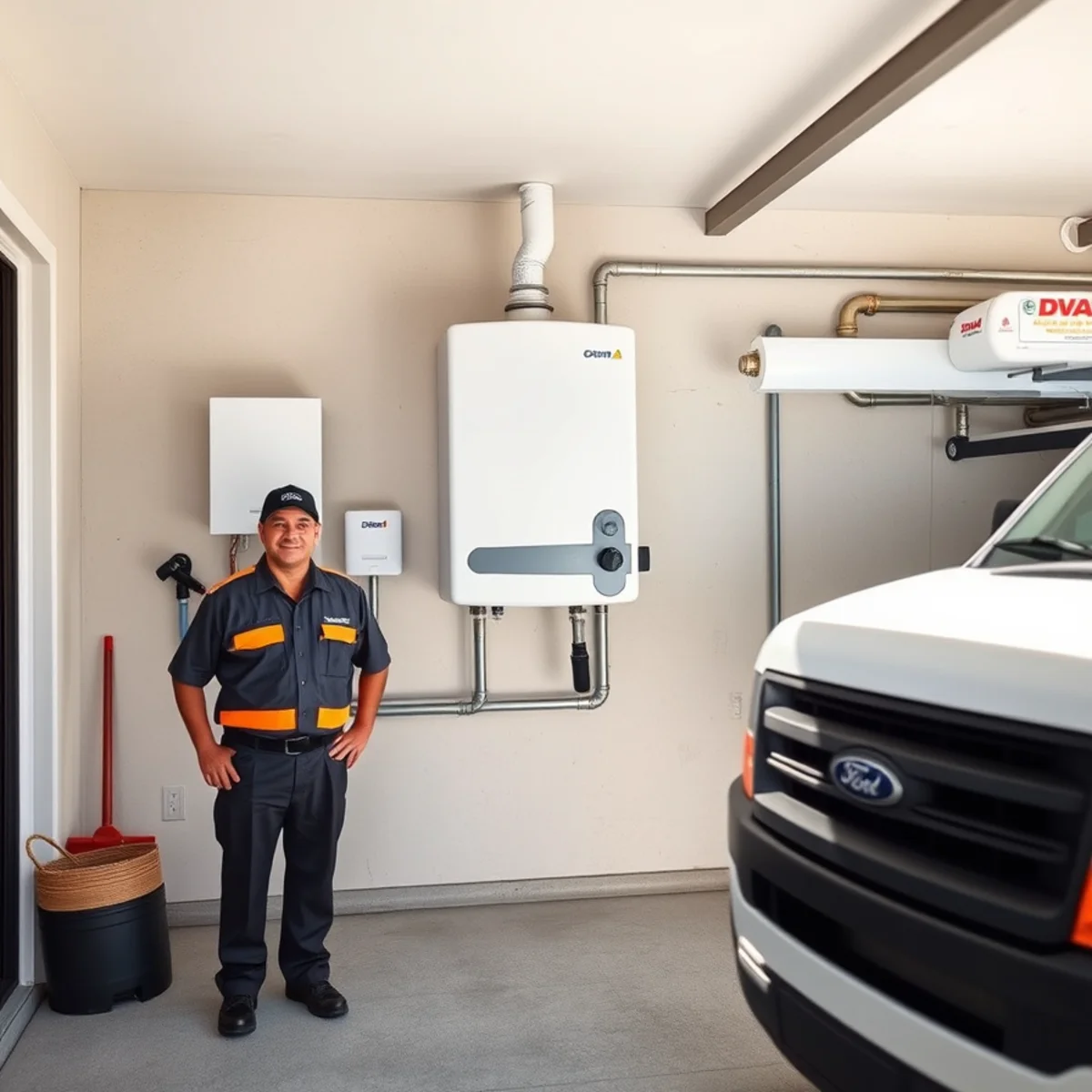
- A wall-mounted unit frees up the floor space a tank and its footprint used to take in a closet or garage.
- Properly maintained units typically last 15 to 20 years, well past a tank's 10 to 12.
- No standby heat loss from a tank sitting full of hot water around the clock.
Tank vs. Tankless: A Direct Comparison for an Older Ranch
Stripped of the marketing, here's how the two options actually compare for a typical 1950s-60s Bellaire ranch home:
- Upfront cost: a tank replacement typically runs $1,200 to $2,500 installed; tankless costs more, with the gap driven mostly by whatever gas line or venting work your specific house needs.
- Lifespan: 10 to 12 years for a well-maintained tank versus 15 to 20 years for a tankless unit that gets its annual descaling.
- Maintenance: a tank tolerates skipping the occasional annual flush; a tankless unit's warranty and performance genuinely depend on that annual service happening.
- Hot water capacity: a tank can run out mid-shower during heavy simultaneous use; tankless doesn't run out, but only up to its rated flow rate, oversized demand can still leave one fixture running lukewarm.
- Space: a tank needs floor space in a closet or garage; a tankless unit mounts on a wall and frees that footprint up.
- Retrofit complexity: a tank is usually a straight swap; tankless frequently isn't, because of gas line and venting requirements.
The Retrofit Reality for a 1950s-60s Ranch
This is where the decision gets specific to your house instead of generic. Tankless units draw far more BTUs on demand than a tank heater does, which frequently means the existing gas line needs to be upsized to feed it properly, not always, but often enough that it has to be checked, not assumed.
Venting is the other retrofit issue. Tankless units typically require dedicated venting different from what a tank used, and depending on where the unit goes, that can mean a more involved installation than a straight swap. Neither of these is a dealbreaker, but both affect the real cost of switching, and a sales quote that skips them isn't a complete quote.
The Hard Water Problem the Sales Pitch Skips
Bellaire's moderately hard water scales the narrow passages inside a tankless heat exchanger faster than it scales the larger reservoir of a tank. That scale buildup reduces efficiency and, left unaddressed, can trigger error codes or shut the unit down entirely. Manufacturers typically require an annual descaling flush, circulating a vinegar or descaling solution through the unit, to keep it running efficiently and to keep the warranty valid.
Expert tip: Skip the annual descaling flush in Bellaire's hard water and you're trading a 10-to-12-year tank problem for a 3-to-4-year tankless problem. The unit doesn't fail because tankless is unreliable, it fails because the one required maintenance step got skipped.
So, Is It Worth It?
It's worth it if you want genuinely endless hot water, your gas line and venting can be reasonably upgraded, and you'll commit to annual descaling, either doing it yourself or putting the unit on a maintenance schedule. Our tankless water heater installation visits start with an assessment of your gas line and venting specifically so the quote reflects your house, not a generic install.
It's worth a second look if your household is small, your existing tank already keeps up fine, and the gas line upgrade would be substantial, since the higher upfront cost takes longer to pay back in that scenario. This comes up regularly in ranch-home neighborhoods like Southdale, where the housing stock and the decision are both fairly similar house to house.
Mistakes We See When Homeowners Switch to Tankless
Most tankless regrets trace back to one of a handful of avoidable mistakes, not to tankless technology itself:
- Sizing the unit for the house's square footage instead of its actual simultaneous hot water demand, two showers and a dishwasher running at once needs a specific flow rate, not a guess.
- Treating the install as a straight swap and skipping a real gas line and venting assessment, which is how homeowners end up with a mid-project change order instead of an upfront number.
- Skipping the annual descaling flush because nothing's gone wrong yet, then being surprised when a hard-water error code shows up in year three or four.
- Choosing a unit based on price alone without checking whether it's rated for the household's peak simultaneous demand, then blaming tankless as a category when one fixture runs cold during heavy use.
Expert tip: The households happiest with tankless are the ones who got an honest assessment upfront, gas line, venting, and actual flow-rate needs, rather than a quote based on the model number alone.
What Installation Day Actually Involves
A tankless swap is a bigger job than a tank-for-tank replacement, and it helps to know the shape of it going in:
- 1Confirm gas line sizing and venting path against the specific unit being installed, not a generic model.
- 2Shut off gas, water, and power to the old unit and disconnect it.
- 3Run new venting and, if needed, upsize the gas line to the unit's location.
- 4Mount the new unit, connect gas, water, and electrical, and pressure-test the connections before firing it up.
- 5Pull the required permit and schedule the city inspection, since gas appliance swaps aren't a same-day, no-paperwork job in most Houston-area cities.
- 6Walk through the annual descaling routine with you before we leave, since that's the maintenance step that actually determines whether the unit hits its 15-to-20-year lifespan.
Where the Upfront Cost Actually Goes
The unit itself is only part of a tankless quote. Gas line upsizing, new venting, and sometimes electrical work for the unit's controls are what separate a straightforward installation from a more involved one, and they're also what most differentiates one Bellaire home's quote from another's on paper-identical units. The equipment price alone rarely tells the whole story, which is why an honest quote itemizes the retrofit work separately from the unit. If your existing line needs upsizing, that's a gas line assessment we handle as part of the same visit, not a separate contractor and a second appointment.
Frequently Asked Questions
Does Bellaire's hard water ruin tankless water heaters?
Can I install a tankless water heater without upgrading my gas line?
How much longer do tankless units really last than tank models?
Is tankless a good fit for a smaller household?
How big of a tankless unit does a typical Bellaire home need?
Written by the Plumber Bellaire TX team
Licensed Texas master plumbers based on Newcastle Street in Bellaire. We’ve spent years working the slab leaks, repipes, and sewer lines this article covers — right here in the City of Homes.
(614) 830-0578