Hurricane Season Plumbing Checklist for Brays Bayou Watershed Homes
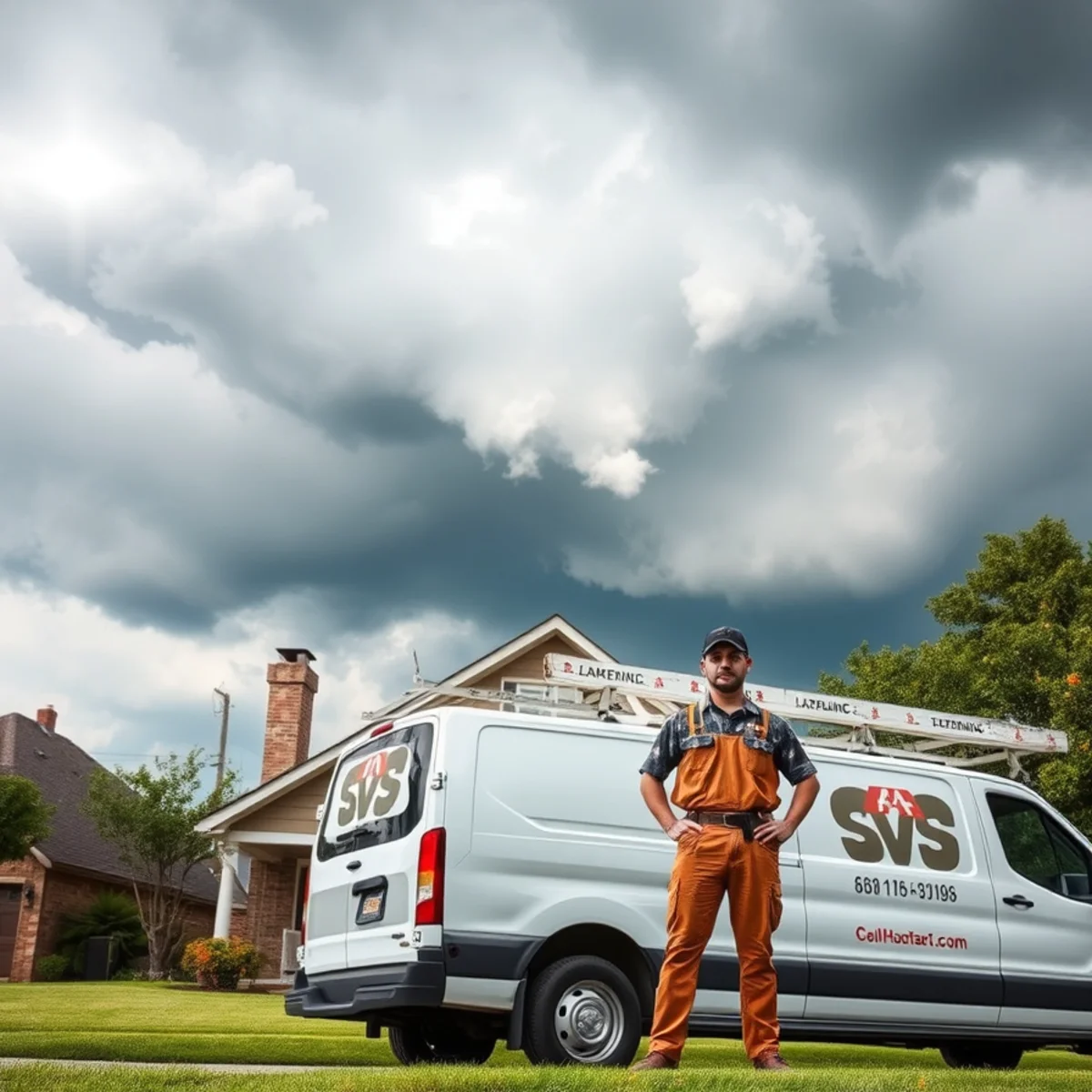
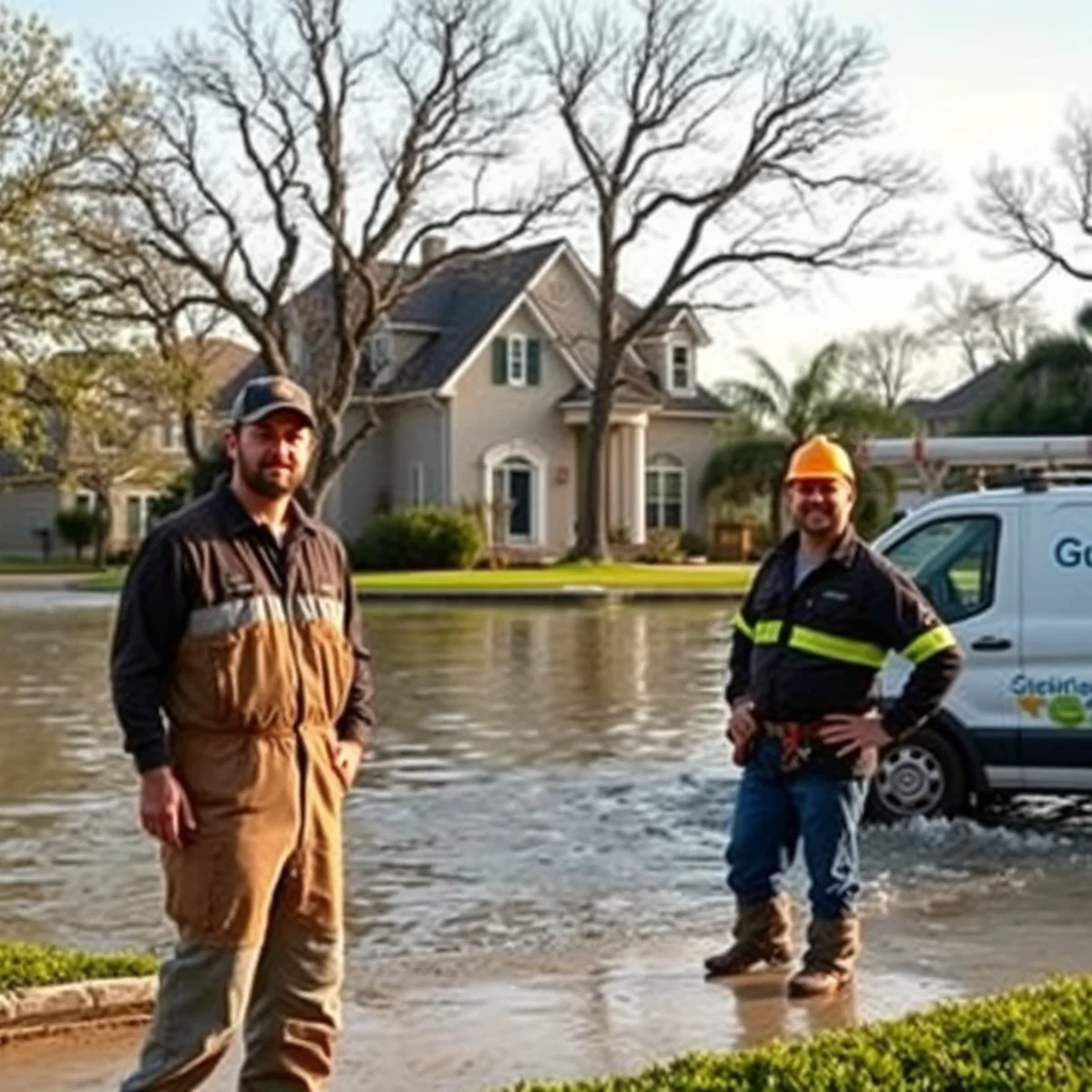
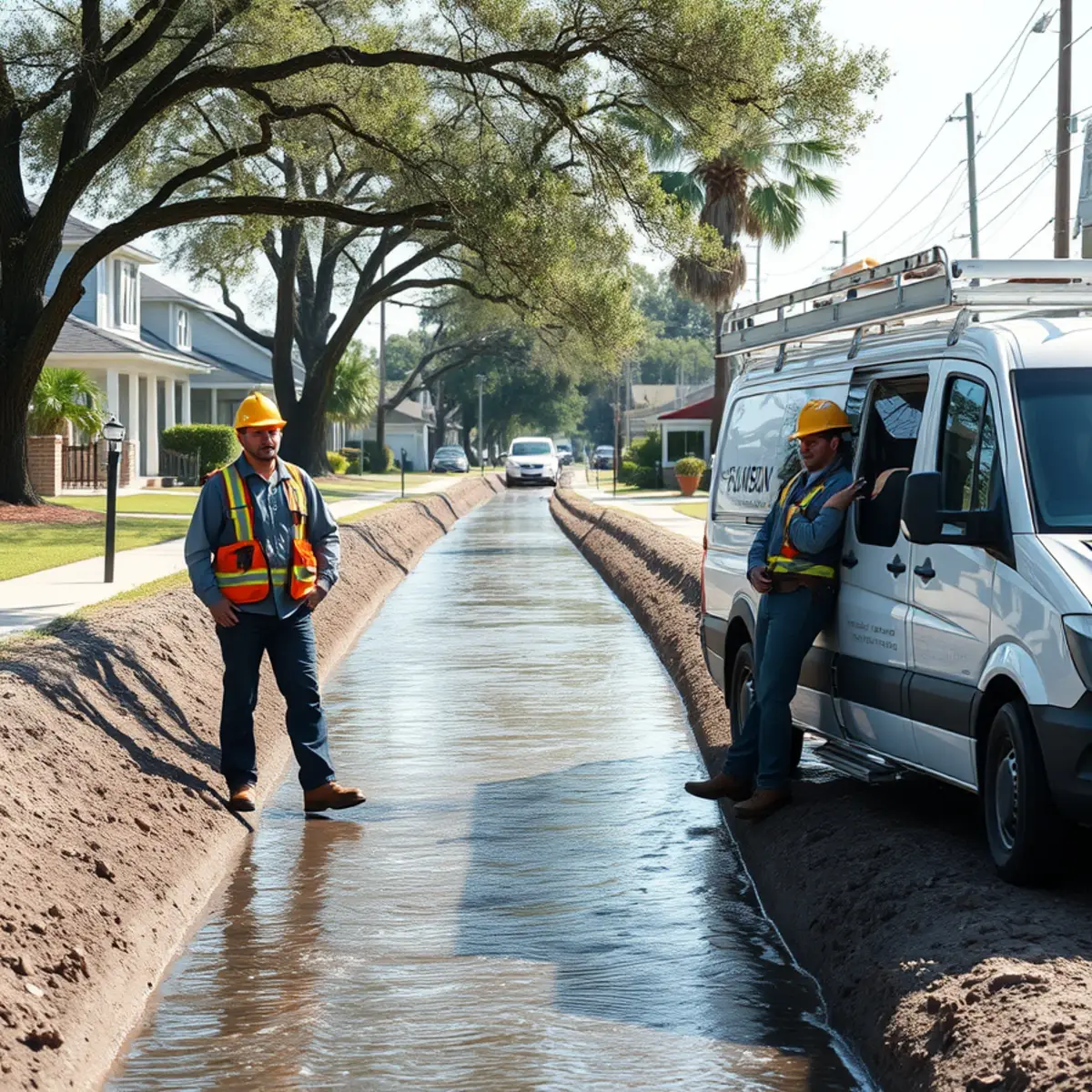
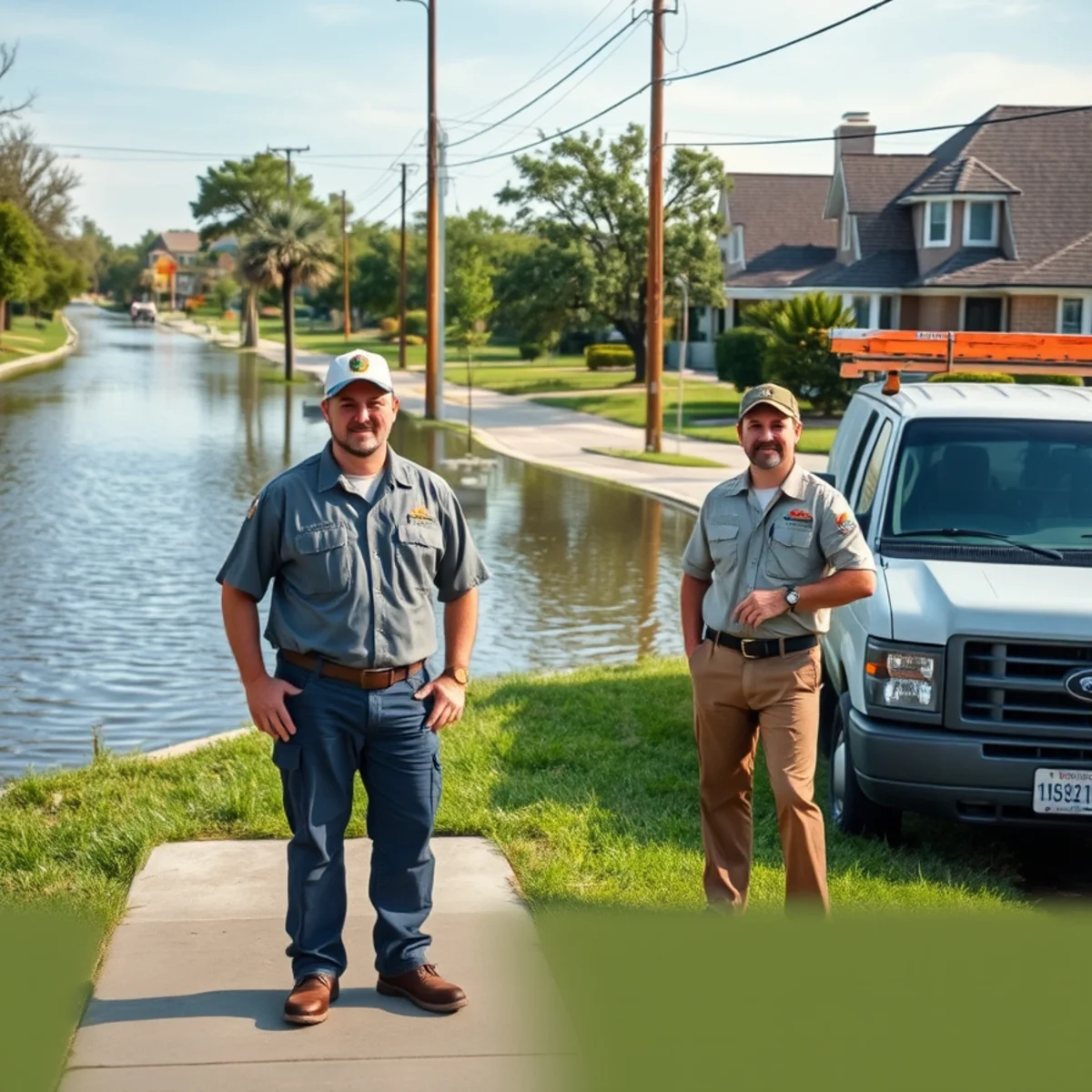
Hurricane season runs June through November, and for homes in the Brays Bayou watershed, that's six months of elevated plumbing risk layered on top of the usual wind-and-rain concerns. Hurricane Harvey in August 2017 remains the benchmark event, but the Memorial Day flood of 2015 and the Tax Day flood of 2016 both happened without a named storm anywhere near Texas — a reminder that hurricane season and flood risk aren't quite the same thing here.
Project Brays has genuinely improved the bayou's capacity since those events, but it doesn't touch sewer backup risk or change the fact that Bellaire sits on slow-draining clay. This is the plumbing checklist we'd want any watershed homeowner to run through before, during, and after a storm.
Before Hurricane Season Starts
Most of the damage we see after a storm traces back to something that was skippable in June and unavoidable by September. The prep work below takes an afternoon and costs little to nothing beyond the backwater valve — do it before the first named storm shows up in the forecast, not while you're watching one approach the coast.
Set a calendar reminder for the first week of June rather than relying on memory. Treat this as an annual appointment with your own plumbing system, the same way you'd schedule an HVAC tune-up before the first heat wave of summer.
- 1Test your sump pump, if you have one, by pouring water into the basin and confirming it kicks on and clears
- 2Confirm your backwater valve is installed and functioning, or have one installed if your home doesn't have one yet
- 3Clear gutters and downspouts and make sure they direct water away from the foundation, not toward it
- 4Know exactly where your main water shutoff and gas shutoff are located, and make sure everyone in the household does too
- 5Review your flood insurance policy now — most policies carry a 30-day waiting period before coverage takes effect, so buying it the week a storm is forecast is usually too late
- 6Photograph and document your home's fixtures and major plumbing equipment for insurance records, before you need them
Calibrating Your Prep to the Storm, Not Just the Season
Not every named storm deserves the full checklist executed at full intensity. A tropical storm or a Category 1 hurricane expected to bring heavy rain but limited wind mainly raises sewer-backup and street-flooding risk — the backwater valve, sump pump, and drainage items on this list matter most, while evacuation-level prep matters less.
A major hurricane on a track toward the coast with storm surge and extended power-outage potential — the Harvey and Uri scenarios both, in different ways — justifies the full list: shutting off gas to the water heater, elevating anything stored on a garage floor, and treating a multi-day outage as the realistic outcome rather than the worst case. Watching the storm's rainfall forecast for the Houston area specifically, not just its wind category at landfall, is usually the better predictor of plumbing risk — Harvey was a Category 4 storm at the Texas coast but did its worst damage here through rainfall totals, not wind.
None of this requires guessing on your own. The National Hurricane Center's forecast cone and rainfall potential maps, updated every few hours once a system is active, are more useful for plumbing prep decisions than the category number alone — category measures wind, and wind is rarely what floods a Bellaire kitchen.
When a Storm Is Approaching
Once a storm enters the forecast cone and landfall shifts from a possibility to a matter of days, move from general season prep to these specific, time-sensitive actions.
- Shut off gas to the water heater if you're told to evacuate or heavy flooding is expected in your area
- Avoid running the dishwasher, washing machine, or taking long showers right before or during heavy rain, since it adds load to a municipal system that may already be under stress
- Move anything stored directly on a garage or low-level floor up off the ground, including any electronics near a water heater
- Disconnect exterior hoses and make sure downspouts are clear so water moves away from the house as designed
After the Storm Passes
The all-clear on the news doesn't mean your plumbing is in the clear. Standing water recedes from streets in a day or two; the silt, sewage, and stress it left behind in your lines can take much longer to show up as a problem. Walk through this list before you assume the system came through untouched.
Standing water inside a home for even a day or two also creates a mold risk that outlasts the plumbing repair itself, so pair any drain or sewer inspection with prompt drying of affected areas — a wet-dry vacuum and fans running in the first 24 to 48 hours do more good than almost anything after.
- Don't run any fixture or turn on a water heater that may have been flooded until it's been checked — a submerged unit can be unsafe even if it looks fine
- Watch for slow drains or gurgling fixtures, both signs of a sewer backup or a line partially blocked by storm debris
- Schedule a camera inspection of your sewer lateral if your street flooded at all — silt and debris commonly settle in the line and cause problems weeks later
- Photograph any damage before cleanup begins, for both insurance and contractor documentation
If You Have to Evacuate: A Shutdown Checklist
An evacuation order changes the checklist, since no one will be home to respond if something goes wrong while you're gone.
- Shut off the main water supply completely, not just the water heater, to eliminate the risk of an undetected leak flooding the house while it's empty
- Turn off gas to the water heater and any gas appliances if you can do so safely
- Unplug the water heater and any other major appliances to protect them from a power surge when electricity returns
- Set the refrigerator and freezer to their coldest settings and leave them closed, since spoiled food during a multi-day outage is its own cleanup problem
- Leave yourself a note listing which valves you shut, so you're not guessing at 2 a.m. when you get back
The One Upgrade Worth Doing Before Next Season
We install and service backwater valves, run pre-season sump pump checks, and handle post-storm sewer camera inspections across the watershed. Our flood & storm plumbing service is built around this exact seasonal rhythm — not just emergency response once water is already inside. Homeowners in Missouri City, another Houston-area community that knows exactly what a heavy rain season can do to a home's drains, run the same checklist for the same reasons.
If a water heater does end up submerged while you're away, call for water heater emergency service rather than restarting it yourself — and our emergency plumber line runs around the clock during storm season for exactly this reason.
Expert tip: A backwater valve is one of the least expensive plumbing upgrades available and one of the most effective against sewage backup during a bayou-watershed storm. If you do nothing else on this list, do this.
Frequently Asked Questions
What should I do with my plumbing before a hurricane threatens Bellaire?
Should I turn off my water heater during a flood warning?
How long after a storm should I wait before using my plumbing again?
Is a backwater valve really worth installing?
Should I prep the same way for a tropical storm as a major hurricane?
Written by the Plumber Bellaire TX team
Licensed Texas master plumbers based on Newcastle Street in Bellaire. We’ve spent years working the slab leaks, repipes, and sewer lines this article covers — right here in the City of Homes.
(614) 830-0578