Why Your Bellaire Home's Drains Keep Clogging (And How to Fix It for Good)
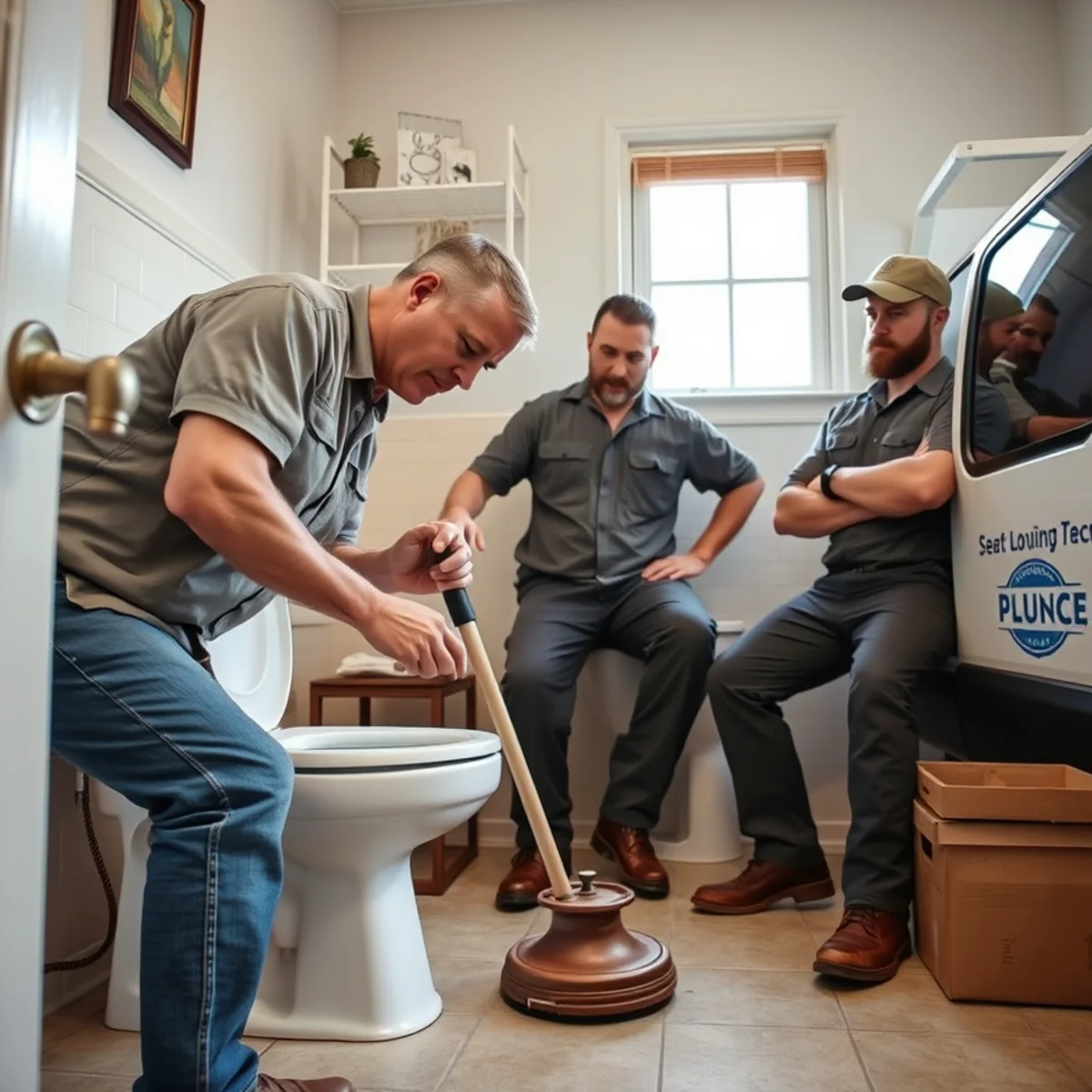
You've plunged the kitchen sink, run a bottle of drain cleaner through it, and a month later it's slow again. Or the bathtub backs up every few months like clockwork, no matter how careful you are about what goes down it. In Bellaire, that pattern is not bad luck. It's what happens when cast iron drain lines installed in the 1940s through 1960s meet decades of grease, hard-water scale, and an oak canopy that never stops growing.
A plunger and a bottle of drain cleaner treat the clog sitting in front of you. Neither one touches the corroded pipe wall or the root mass causing it to come back. Understanding what's actually happening inside your drain lines — and why cabling a clog isn't the same as fixing it — is the difference between a repair that lasts a week and one that lasts a decade.
Cast Iron Doesn't Clog the Way You Think
Most people picture a clog as something stuck in the pipe — hair, grease, a wad of paper. In a Bellaire home with original cast iron drain lines, the pipe itself is often the real problem. Over 50 to 70 years, the iron corrodes from the inside and forms a rough, rust-colored scale called tuberculation. That buildup narrows the usable diameter of the pipe and roughens what used to be a smooth interior wall.
A drain line that started life as a 4-inch pipe can function like a 2-inch pipe once enough scale has built up, and that rough surface gives everything flowing through it something to catch on. This is why the same drain clogs again and again even right after it's been cleared. Snaking or plunging removes what's blocking the pipe at that moment. It does nothing about the scale that caused it to catch in the first place.
Grease, Soap Scum, and Hard Water Make It Worse
Fats, oils, and grease poured down a kitchen sink go in warm and liquid, then cool and harden against the pipe wall — and they stick to corroded cast iron far more readily than they would to smooth PVC. Bellaire's moderately hard water adds a second layer: soap reacts with dissolved minerals to form a curd that cements itself to scale instead of rinsing away.
- Grease and cooking oil poured down the kitchen drain, even in small amounts over years
- Bar soap residue bonding with hard-water minerals into a hard scale
- Coffee grounds, produce peels, and rice or pasta swelling in standing water
- Hair and skin-care product buildup in bathroom lines
- So-called flushable wipes that don't actually break down in the line
Then There Are the Roots
Bellaire's mature oak canopy is one of the city's best features and one of its most common plumbing problems. Oak roots chase moisture relentlessly, and the joints between sections of original cast iron pipe are exactly the kind of gap they're built to find. Once a root gets a foothold in a joint, it grows into the pipe itself, thickens over time, and catches paper and debris like a net stretched across the line.
This is especially common on the older, tree-lined streets of neighborhoods like Twin Oaks, where decades-old oaks sit directly over original sewer and drain laterals. Root intrusion compounds the scale problem instead of replacing it — a narrowed, roughened pipe with a root mass growing through it clogs far faster than either problem would on its own.
Cabling vs. Hydro-Jetting: Why One Comes Back and the Other Doesn't
A cable machine punches a cutting head through the blockage and pulls it back, opening a channel for water to flow through again. That's useful for an immediate emergency, but it leaves the scale and grease coating the rest of the pipe wall untouched — which is why the same line often clogs again within weeks or months.
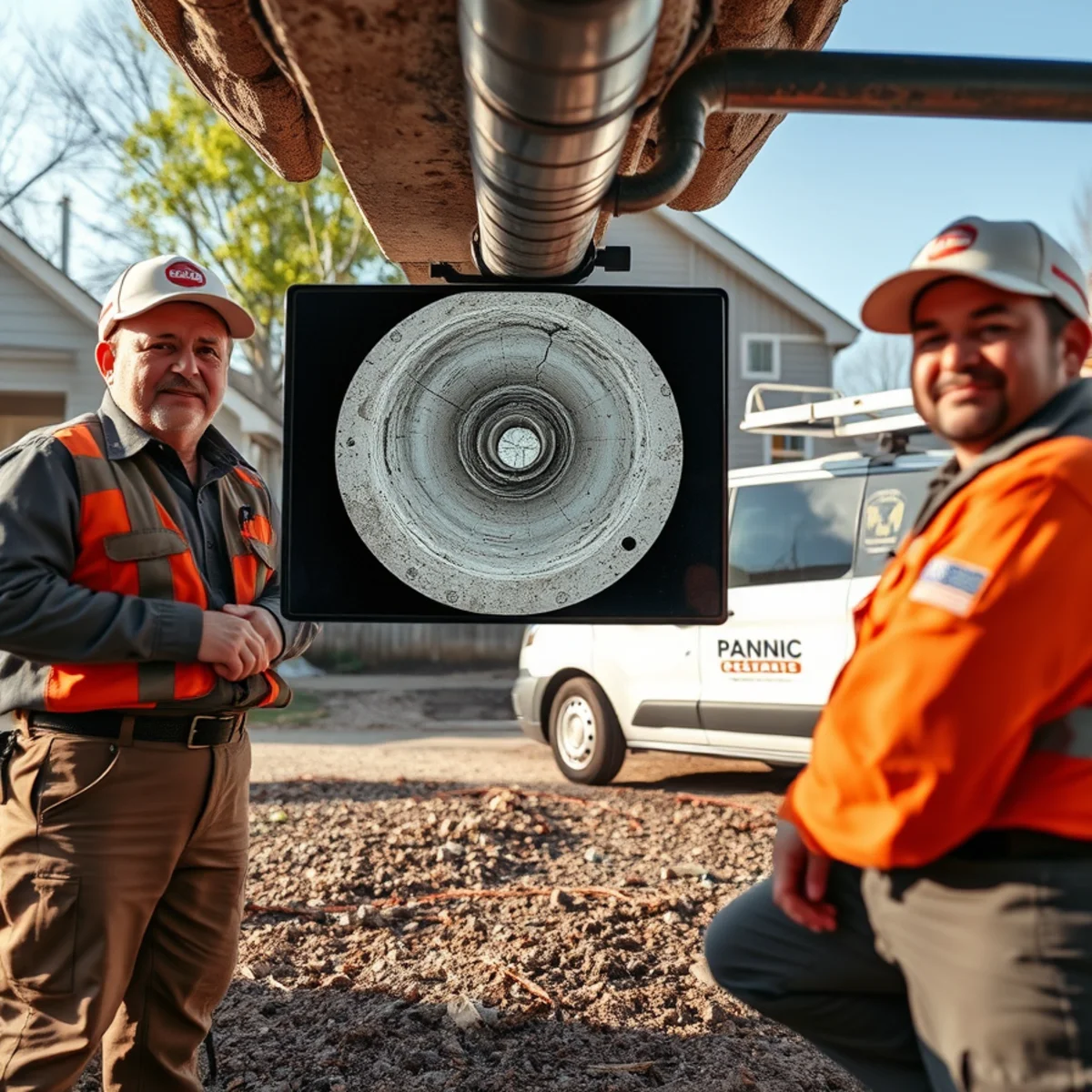
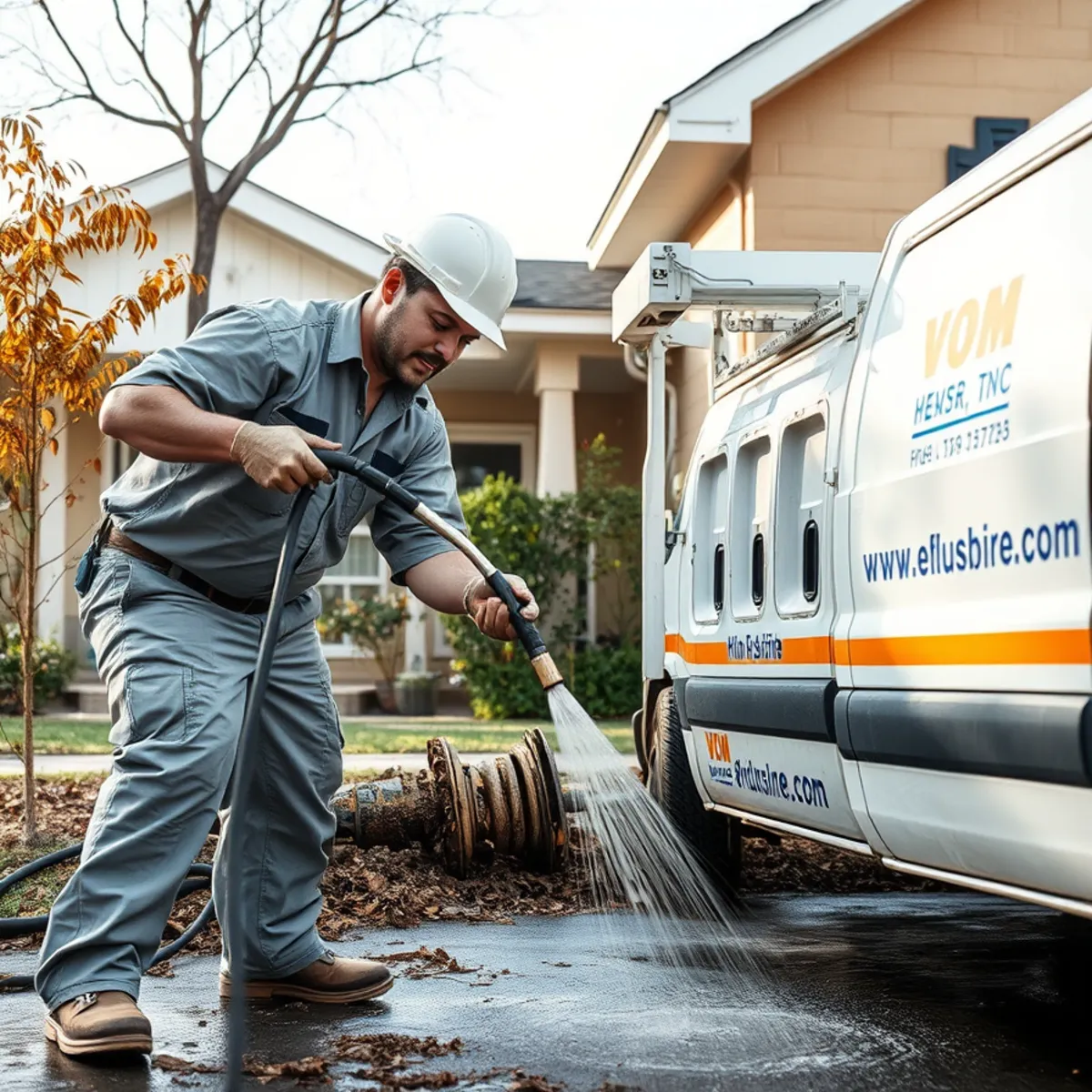
Hydro-jetting uses a high-pressure water stream to scour the full circumference of the pipe back to bare, clean surface, not just punch a hole through the middle of the blockage. For Bellaire's cast iron lines, that's usually the only method that actually removes the buildup causing repeat clogs rather than temporarily working around it. Because jetting is more aggressive, we run a camera first on older lines to confirm the pipe is structurally sound enough for it — jetting clears buildup, it can't fix a pipe that's already corroded through. Our drain cleaning visits start with that camera check for exactly this reason.
Expert tip: If a drain clears for a few days and then slows down again, that's not a sign you need a stronger chemical cleaner — it's a sign the pipe itself needs to be scoured, not just punched through.
What Actually Happens During a Professional Drain Visit
A drain call that starts and ends with a cable machine is a coin flip — it might hold, it might not, and there's no way to know which until the clog comes back. Here's the sequence that actually tells us what we're dealing with before we commit to a fix:
- 1Run a camera through the line first, before touching a cable or jetter, to see whether we're looking at loose debris, grease, scale, or a root mass.
- 2Note where the trouble is and how it's distributed — one bad joint reads very differently on camera than scale coating the entire run.
- 3Choose the tool based on what the camera showed: a cable for an isolated debris clog, a jetter for scale and grease coating the pipe wall, a root-cutting head where roots have gotten in.
- 4Clear the full length of the line, not just enough to restore flow past the blockage.
- 5Run the camera again after clearing to confirm the pipe wall itself, not just that water is moving.
- 6Flag any section that's thinning or structurally compromised so you're deciding on a repair with real information, not finding out the hard way six months later.
Signs Your Clog Is Bigger Than One Drain
A single slow drain is usually a local problem. These signs point to something further down the line, often shared by multiple fixtures at once:
- More than one fixture backs up around the same time, such as a flushed toilet affecting the kitchen sink
- Gurgling from a nearby drain when you run water somewhere else in the house
- The lowest fixture in the house, like a tub or floor drain, backs up first
- A sewage smell rather than a plain drain odor
- The clog returns within days of being cleared, even after cabling
Keeping a Cleared Drain From Clogging Again
Jetting resets the pipe to a clean interior, but Bellaire's water and housing stock start working against it again the same day. A few habits make a real difference in how long that clean interior actually lasts:
- Let grease and cooking oil cool and go in the trash, not down the drain, even in small amounts — it's the single biggest driver of kitchen-line clogs we see.
- Run hot water for 30 seconds after washing dishes to help carry residue further down the line instead of letting it set up near the trap.
- Skip "flushable" wipes entirely; they don't break down the way toilet paper does and catch on rough cast iron exactly like a root mass would.
- Have the kitchen line jetted on a schedule, roughly once a year for a home with original cast iron, rather than waiting for the next slow drain to call.
- Ask for a follow-up camera check if a line has been jetted more than once in the same year — that's usually a sign the pipe itself needs more than cleaning.
Expert tip: Prevention buys time on cast iron, it doesn't stop the clock. If a line needs jetting every few months no matter how careful the household is, that's the pipe telling you cleaning has reached its limit and sewer line repair is the next conversation, not another round of cabling.
Frequently Asked Questions
Why do my drains in Bellaire clog more than they did somewhere else?
Is hydro-jetting safe for old cast iron pipe?
How often should drains be professionally cleaned in an older Bellaire home?
Can I just keep using store-bought drain cleaner?
Written by the Plumber Bellaire TX team
Licensed Texas master plumbers based on Newcastle Street in Bellaire. We’ve spent years working the slab leaks, repipes, and sewer lines this article covers — right here in the City of Homes.
(614) 830-0578