Commercial Plumbing Maintenance for Bellaire Blvd Restaurants
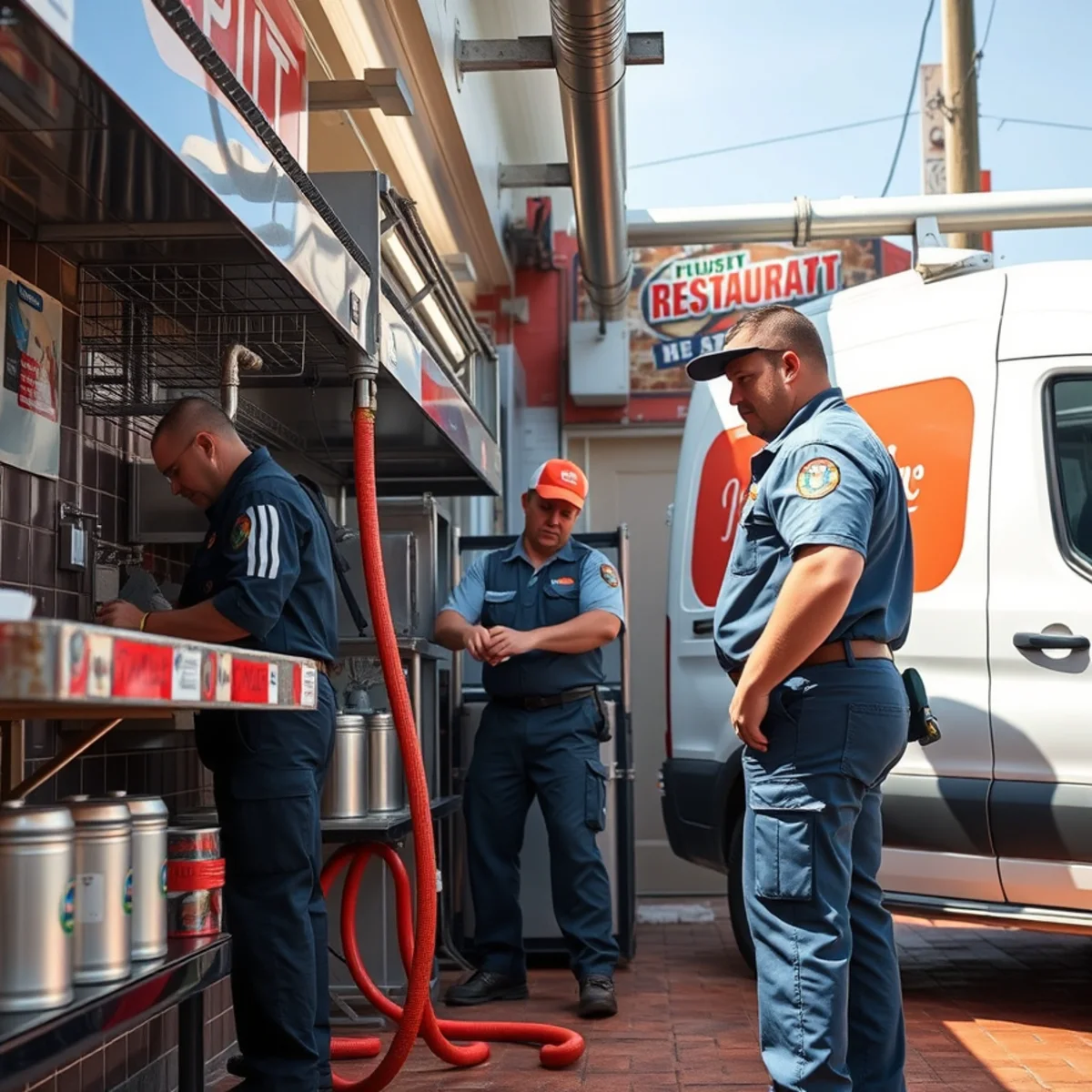
In a restaurant, plumbing is not a background utility — it is part of the line. When a grease line clogs during Friday dinner service or a water heater fails on a Saturday morning, you are not calling a plumber for convenience; you are trying to stay open. Along the Bellaire Boulevard corridor, where restaurants sit shoulder to shoulder, that pressure is real.
The good news: nearly every restaurant plumbing emergency is preventable with a maintenance schedule. Here is the plan we build for Bellaire-area kitchens — what to service, how often, and why it matters to your bottom line.
Grease Is the Enemy: Line Jetting on a Schedule
Fats, oils, and grease (FOG) are the number-one cause of commercial kitchen backups. They go down warm and liquid, then cool and congeal on the inside of your drain lines until the pipe closes off — usually at the worst possible moment. Snaking punches a hole through the blockage but leaves the grease coating the pipe, so it clogs again fast.
The fix is scheduled hydro-jetting, which scours the full inside diameter of the line back to clean pipe. A high-volume kitchen may need its grease lines jetted quarterly; a lighter operation, twice a year. Setting that interval before you have a backup is far cheaper than an emergency call mid-service — and it keeps you out of a health-code problem.
Expert tip: Track how long it’s been since your grease lines were last jetted. If you can’t remember, you’re overdue — and running on borrowed time.
Grease Traps and Interceptors: Stay Compliant
Your grease trap or interceptor keeps FOG out of the municipal sewer, and it needs regular pumping and cleaning to work. A neglected trap overflows, smells, and can put you crosswise with code enforcement. We service traps on a schedule matched to your volume and keep the documentation you need to show compliance.
Most Bellaire Blvd kitchens run one of two setups: a smaller passive interceptor plumbed under the three-compartment sink, or a larger gravity interceptor buried near the dumpster pad. Which one you have changes the service plan — an under-sink unit is a quick pump-and-wipe before open, while an outdoor interceptor needs a full pump-out and a hauler's manifest. Either way, skipping a cycle doesn't just risk a backup. It risks an inspector asking for pumping records you don't have.
Grease Trap Sizing: Getting the Cleaning Cadence Right
A lot of grease-trap trouble on the corridor isn't a scheduling problem — it's a sizing problem. Traps are sized off your kitchen's flow rate and fixture count under the plumbing code's grease-interceptor standard, not a rule of thumb. A trap sized correctly for a lunch counter's original menu can be badly undersized two years later once the kitchen adds a fryer line, extends into dinner service, or doubles seating. When that happens, no cleaning schedule fixes it — the trap fills faster than any reasonable pump-out interval can keep up with.
The industry rule for cadence is simple: pump the trap once grease and solids reach about a quarter of its capacity, not when it's visibly full or already slowing a drain. Wait past that point and FOG starts moving downstream into the line you're already paying to jet, turning one skipped cleaning into two problems. When we set a maintenance schedule, we confirm the trap still fits your current menu and volume first — an undersized trap on a tight cleaning schedule still loses.
- A grease smell at the access lid within days of a pump-out, not weeks
- A kitchen expansion — new fryer, added dinner service, more seats — since the trap went in
- Repeat slow-drain calls at the same prep or dish sink despite a current pumping schedule
- A trap that needs pumping more than once a month even at moderate volume
What a Health Inspector Actually Checks — and Where Plumbing Comes In
A good share of a Houston health inspection is really a plumbing inspection under a different name. Inspectors want current grease-trap pumping records, a passed backflow test on file, hot water at every hand-wash sink, and floor drains that run clear instead of standing. None of that is exotic — it's the same list a well-run kitchen already follows — but if the paperwork isn't on hand, a kitchen that's actually in good shape can still pick up a citation for missing documentation.
We build our commercial service around that reality. Every grease-trap pump-out and backflow test comes with a dated record you can hand an inspector on the spot, and a slow floor drain or hand sink gets treated as a compliance issue, not just an inconvenience. A same-day drain cleaning call the week before a routine inspection costs a lot less than a re-inspection fee and the hours you lose waiting on it.
The Rest of the Restaurant Plumbing Checklist
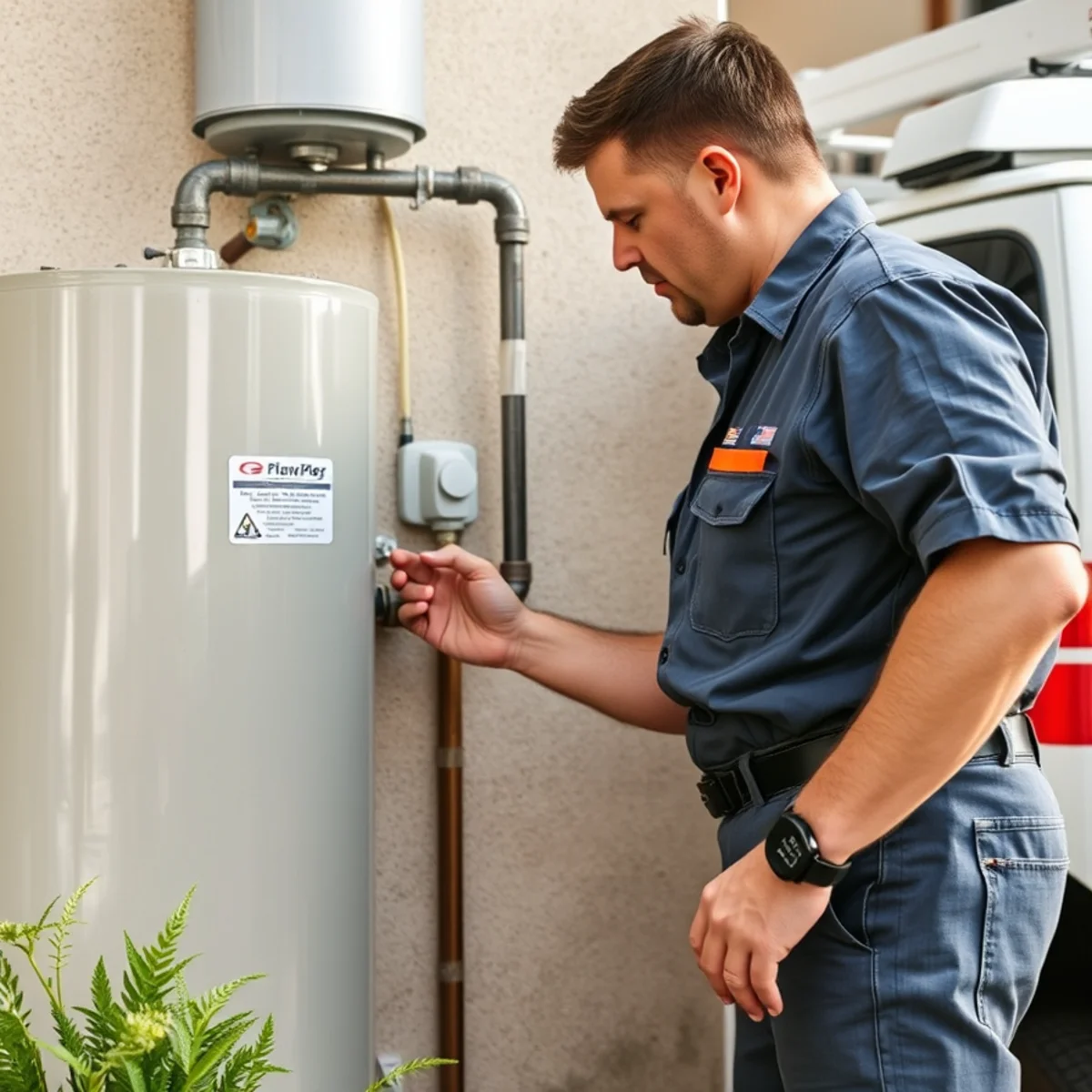
- Commercial water heaters — flush for sediment and verify recovery keeps up with peak demand (Houston’s hard water scales these fast).
- Backflow prevention — annual testing and certification is required by code; we handle it and file the paperwork.
- Prep sinks, dish stations, and floor drains — check for slow flow before it becomes a stoppage.
- Restroom fixtures — flush valves, faucets, and ADA-compliant operation for a steady guest volume.
- Mop sinks and hose bibs — small leaks here quietly drive up your water bill.
Why a Maintenance Agreement Pays for Itself
The math on restaurant plumbing is simple: a scheduled jetting visit costs a fraction of a single night of lost service, a health-code closure, or an emergency call at holiday rates. A maintenance agreement also means a plumber who already knows your kitchen’s layout and history — so when something does go wrong, the response is faster.
We provide code-compliant commercial plumbing for restaurants across Bellaire, and we schedule the work around your service hours — before opening, after close, or off-peak — so maintenance never costs you a cover. Many of these same principles apply to the ranch-turned-restaurant spaces just off the corridor in areas like Twin Oaks.
Run the comparison honestly and maintenance wins every time. A scheduled jetting visit or trap pump-out is a planned expense you budget for. An emergency call that shuts down the line on a Friday night is lost covers and refunded tickets, plus after-hours rates on top of the same repair you'd have paid for anyway. Add a possible health-code citation to that list, and "we'll deal with it when it backs up" is the most expensive plan on the table, not the cheapest.
Frequently Asked Questions
How often should a restaurant have its grease lines jetted?
Can you service our plumbing without closing the kitchen?
Do you handle backflow testing for restaurants?
How is a grease trap sized for a restaurant kitchen?
What plumbing records does a health inspector actually ask for?
Written by the Plumber Bellaire TX team
Licensed Texas master plumbers based on Newcastle Street in Bellaire. We’ve spent years working the slab leaks, repipes, and sewer lines this article covers — right here in the City of Homes.
(614) 830-0578