Plumbing for Property Managers: Multi-Unit Strategies in Gulfton & Sharpstown

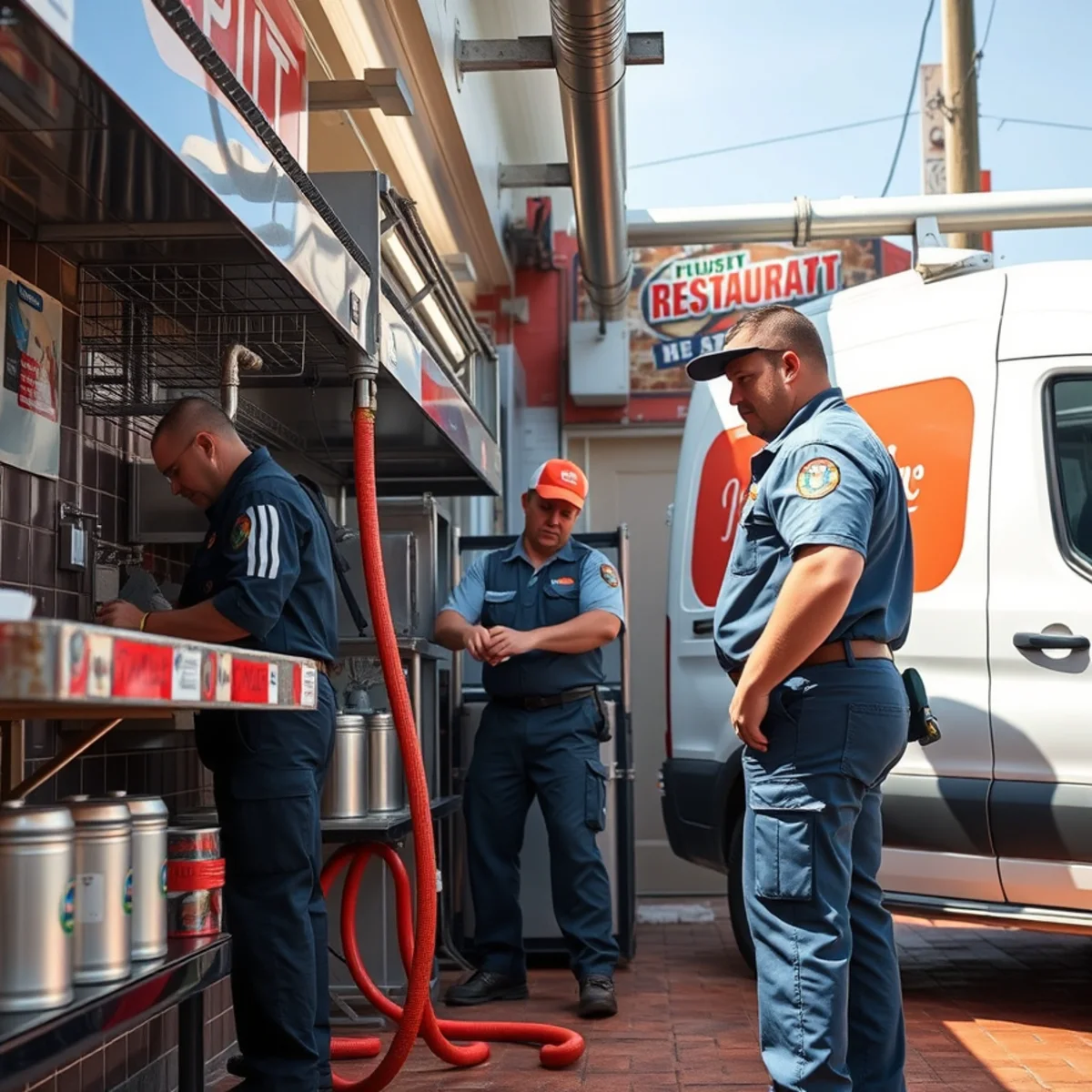
Managing a multi-unit property is a different plumbing game than a single-family home. One failure can cascade across units, a shared water heater can leave a whole building cold, and a main-line clog can back up into the lowest apartments. In dense rental districts like Gulfton and Sharpstown — where much of the housing dates to the 1960s–80s — those risks are amplified by aging shared infrastructure.
Here is how experienced property managers get ahead of multi-unit plumbing instead of chasing emergencies unit by unit.
Think in Stacks, Not Units
In a multi-story building, apartments share vertical drain and supply stacks. A problem in a stack — corrosion, a blockage, a leak — affects every unit tied to it, not just the one that reported it. When you get repeated clogs or leaks in units that share a stack, the real issue is usually the stack itself, not a coincidence of tenant behavior.
That is why a stack repipe or a targeted stack cleaning often solves a cluster of recurring complaints at once. Diagnosing at the stack level — with camera inspection of the shared lines — saves you from paying for the same "unit" fix over and over.
Expert tip: If three units on the same line keep reporting the same problem, stop treating them as three tickets. Camera the shared stack — the fix is almost always there.
Diagnosing a Stack Problem Before You Approve a Repipe
When a manager calls about repeat problems on one line, the first question isn't snake-or-replace — it's what's actually happening inside that stack. We run a camera from the cleanout or an accessible fixture and look for one of three patterns: a single defect, like a cracked fitting or one bad joint, that a spot repair fixes outright; a scaling pattern narrowing the whole cast iron run without an active failure yet; or multiple active failure points, which is where patching turns into a losing game of whack-a-mole.
That distinction is the whole decision. A single defect gets a spot repair and you move on. A scaling pattern buys time under a drain cleaning and monitoring schedule, so you can put a stack replacement on your capital calendar instead of your emergency line. Multiple active failures on the same stack is when we tell a manager plainly: chasing leaks unit by unit will cost more over the next year than replacing the run once, on a schedule you control instead of one a tenant's ceiling sets for you.
- A single defect — one cracked fitting or bad joint — that a spot repair resolves on its own
- A scaling pattern narrowing the whole run, manageable on a monitoring and jetting schedule
- Multiple active failure points, the signal that patching has stopped being worth it
Shared Water Heaters: One Failure, Many Cold Showers
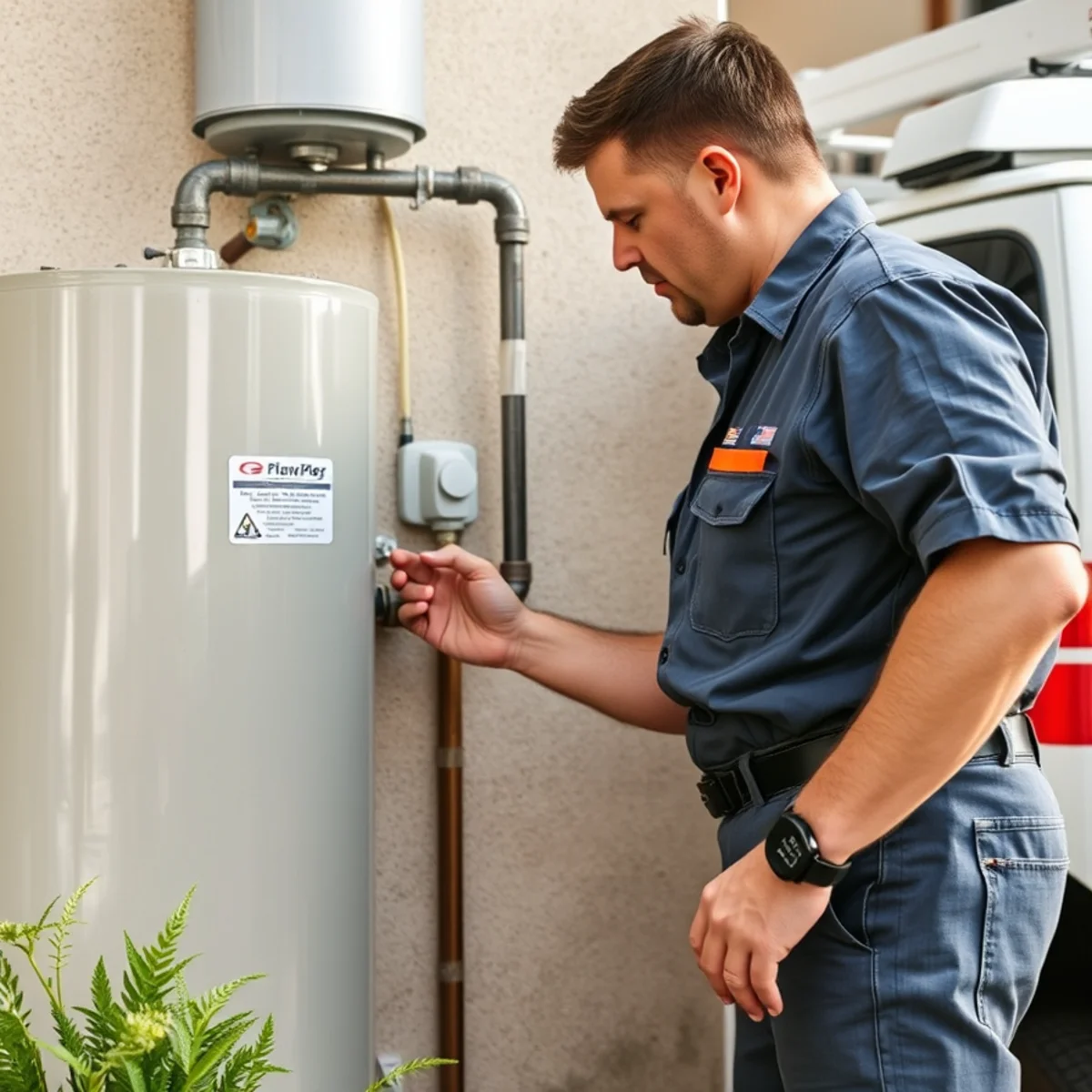
Many Gulfton and Sharpstown complexes run shared or centralized water heating. When a shared unit fails, the outage hits many tenants at once — and Houston’s hard water scales these systems fast, shortening their life. Proactive flushing, and replacing units before they fail rather than after, is the difference between a scheduled overnight and an angry building.
For larger systems, we help managers plan phased replacement and, where it fits, more efficient configurations that lower operating cost across the property.
Main-Line Clogs and the Ground-Floor Backup
In these older complexes, the main sewer line takes the load of dozens of units, and when it clogs — from grease, roots, or decades of cast iron scale — the backup surfaces in the lowest apartments and common-area drains. Scheduled main-line jetting is the preventive move. It keeps the shared line flowing and spares you the tenant-relations nightmare of ground-floor sewage.
How often that line needs jetting depends on what's feeding it. A property with several in-unit kitchens contributing grease behaves like a light commercial kitchen and needs a comparable cadence — often at least annually, more if there's any food-service tenant on the ground floor. A property with heavy tree cover and original cast iron adds root intrusion to the list, which is a camera-and-treat problem, not just a jetting one. We set the interval off what the camera actually shows the first time, not a generic calendar — a line already scaled down to half its diameter needs a shorter leash than one that's still clean.
Turnover Planning: The Cheapest Time to Fix What a Tenant Never Reports
The best time to catch a slow leak, a seized shutoff valve, or a water heater on its last year is the week a unit sits empty between tenants — not the week after a new tenant moves in and it fails on them. A tenant living with a slow drain or a dripping angle stop usually doesn't report it until it's a real problem, and by then you're coordinating access around someone's work schedule instead of just doing the work.
We run a standard turnover checklist for managers who want it: test every shutoff valve under sinks and behind toilets (one that hasn't turned in years often needs replacing, not just exercising), run water at each fixture to check drain speed, and check the unit's water heater for age and sediment buildup if it isn't on a shared system. On a property with shared stacks, turnover is also the easiest window to camera the section serving that unit, since you don't need a tenant's schedule to get access.
A Preventive Plan Beats a Turnover Scramble
- Camera-inspect shared stacks and main lines on a schedule to catch failures early.
- Jet main and grease-bearing lines before they clog, not after.
- Flush and proactively replace shared water heaters ahead of failure.
- Standardize fixtures across units so repairs are fast and parts are on hand.
- Keep a plumber on call who already knows the property’s layout and history.
One Plumber Who Knows the Whole Property
The biggest efficiency for a property manager is a plumber who understands the building as a system, not a series of unrelated tickets. We provide commercial plumbing and multi-unit service across the dense rental districts of Gulfton and Sharpstown, with the diagnostic approach — stack-level, main-line, whole-property — that actually reduces your call volume over time.
The math favors the same approach everywhere on the property. A scheduled camera run or a turnover inspection is a line item you plan for. An emergency ground-floor backup is angry tenants comparing notes in a group text and a same-day call at whatever rate covers it — plus a review that names the building, not just the plumber. Managers who put the whole property on one preventive schedule spend less over a year than the ones who wait for the next stack to announce itself.
Frequently Asked Questions
Why do the same units keep having plumbing problems?
How can I prevent building-wide water heater outages?
Do you offer maintenance agreements for apartment complexes?
When's the best time to inspect a unit's plumbing — occupied or between tenants?
How do you decide between a spot repair and replacing a whole stack?
Written by the Plumber Bellaire TX team
Licensed Texas master plumbers based on Newcastle Street in Bellaire. We’ve spent years working the slab leaks, repipes, and sewer lines this article covers — right here in the City of Homes.
(614) 830-0578