No Hot Water in Winter? Emergency Steps Before the Plumber Arrives
You turn the shower handle and get thirty seconds of warmth, then a wall of cold. On a mild Houston morning that's an inconvenience. On a January morning after a cold front, it's an emergency, especially with kids or older family members in the house. Before you call anyone, there are a few checks that take less than ten minutes and either solve the problem outright or tell your plumber exactly what's wrong before we walk in the door.
Here's what to check first, what to leave alone, and when a "no hot water" call is actually something more serious.
First, Figure Out Gas or Electric
Your first move depends on your water heater's fuel type, so confirm that before doing anything else. Most Bellaire homes built before the 1980s were plumbed for gas water heaters, though plenty have since been converted or replaced with electric units. Look at the unit itself — a gas water heater has a burner compartment and a flue pipe running up top; an electric one has a simple power cord or hardwired conduit and no flue.
If you're renting or this is a recent move-in and you genuinely aren't sure, check a recent utility bill — a gas charge alongside your electric bill is the quickest confirmation, or look for a gas meter on the exterior of the house.
If You Have a Gas Water Heater
- 1Check the pilot light through the small viewing window near the bottom of the tank. A cold snap can occasionally blow out an older or poorly sealed pilot.
- 2If it's out, look for relighting instructions printed on a label inside the access panel — most modern units have a simple igniter button. Follow them exactly; don't improvise with a lighter near the burner compartment.
- 3If the pilot won't stay lit after two attempts, stop. A pilot that won't hold is often a failing thermocouple, not something to force.
- 4Smell gas at any point? Stop immediately, don't attempt to relight anything, and treat it as a gas emergency, not a water heater inconvenience.
Expert tip: Expert tip: If your pilot has gone out more than once this season, don't keep relighting it as a routine fix. A thermocouple replacement is inexpensive compared to what happens if the safety mechanism it controls eventually fails.
If You Have an Electric Water Heater
Start at your breaker panel. Electric water heaters typically run on a dedicated double-pole breaker — check that it hasn't tripped, and reset it once if it has. If it trips again immediately, leave it off and call us; that's a sign of a heating element or wiring fault, not something to keep resetting.
Also check for a reset button on the unit itself, usually red, near the upper thermostat behind an access panel. One press is fine. Repeated tripping means the high-limit safety switch is doing its job — something downstream is actually overheating.
Cold Snap Special Case: Check for a Frozen Line
During a hard freeze, "no hot water" sometimes isn't a water heater problem at all — it's a frozen supply line feeding the tank, often in an uninsulated garage or attic run, common in Westbury homes with the water heater in the garage. If cold water isn't running at any fixture either, suspect a frozen line before you suspect the heater itself.
When to Stop Troubleshooting and Call Us
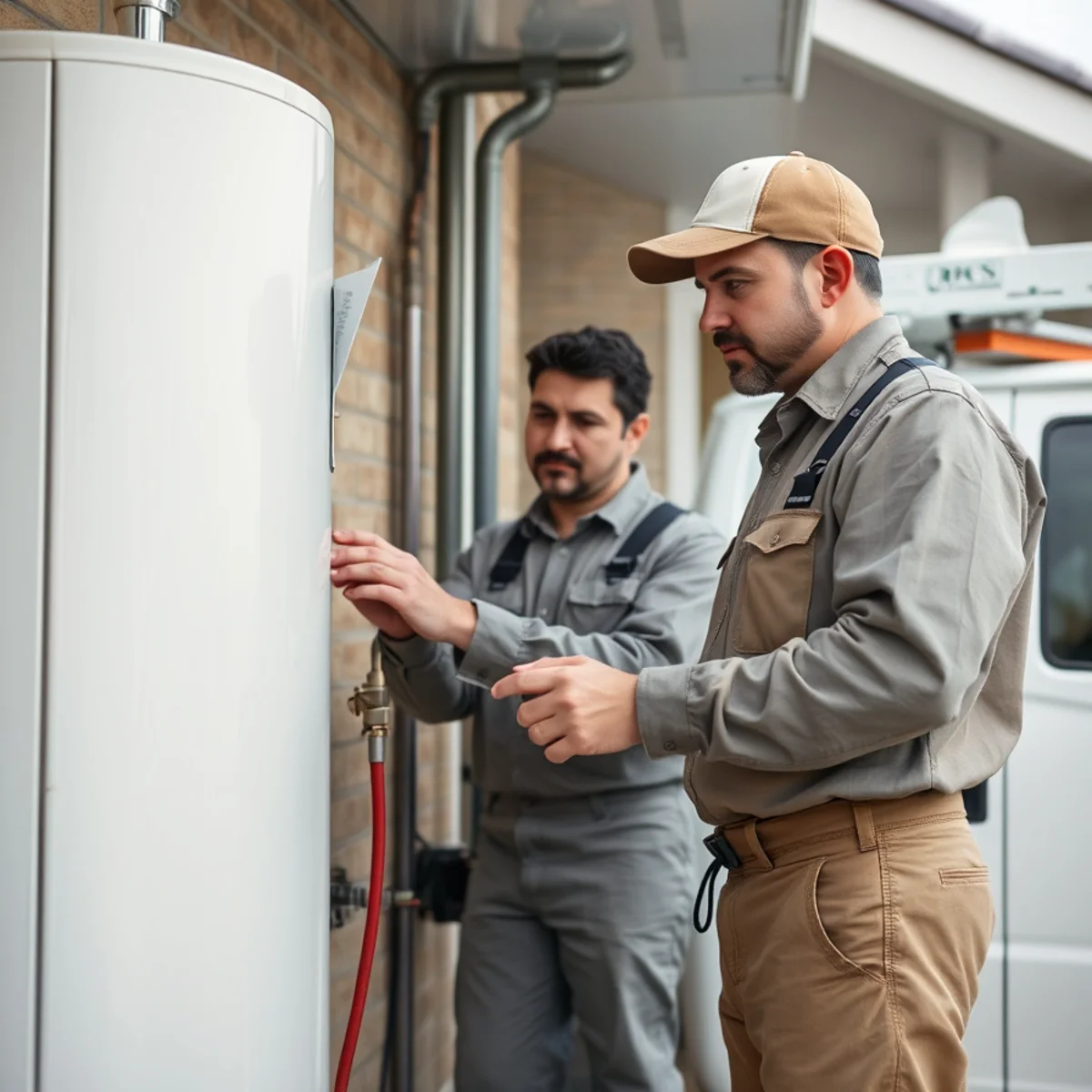
Our emergency water heater repair team runs 24/7 through the winter specifically because these calls spike the moment temperatures drop. We carry common parts on the truck — thermocouples, elements, thermostats — so many repairs finish in a single visit.
- No hot water anywhere in the house, and the checks above didn't fix it.
- Popping, rumbling, or banging sounds from the tank, often sediment buildup on the verge of a bigger failure.
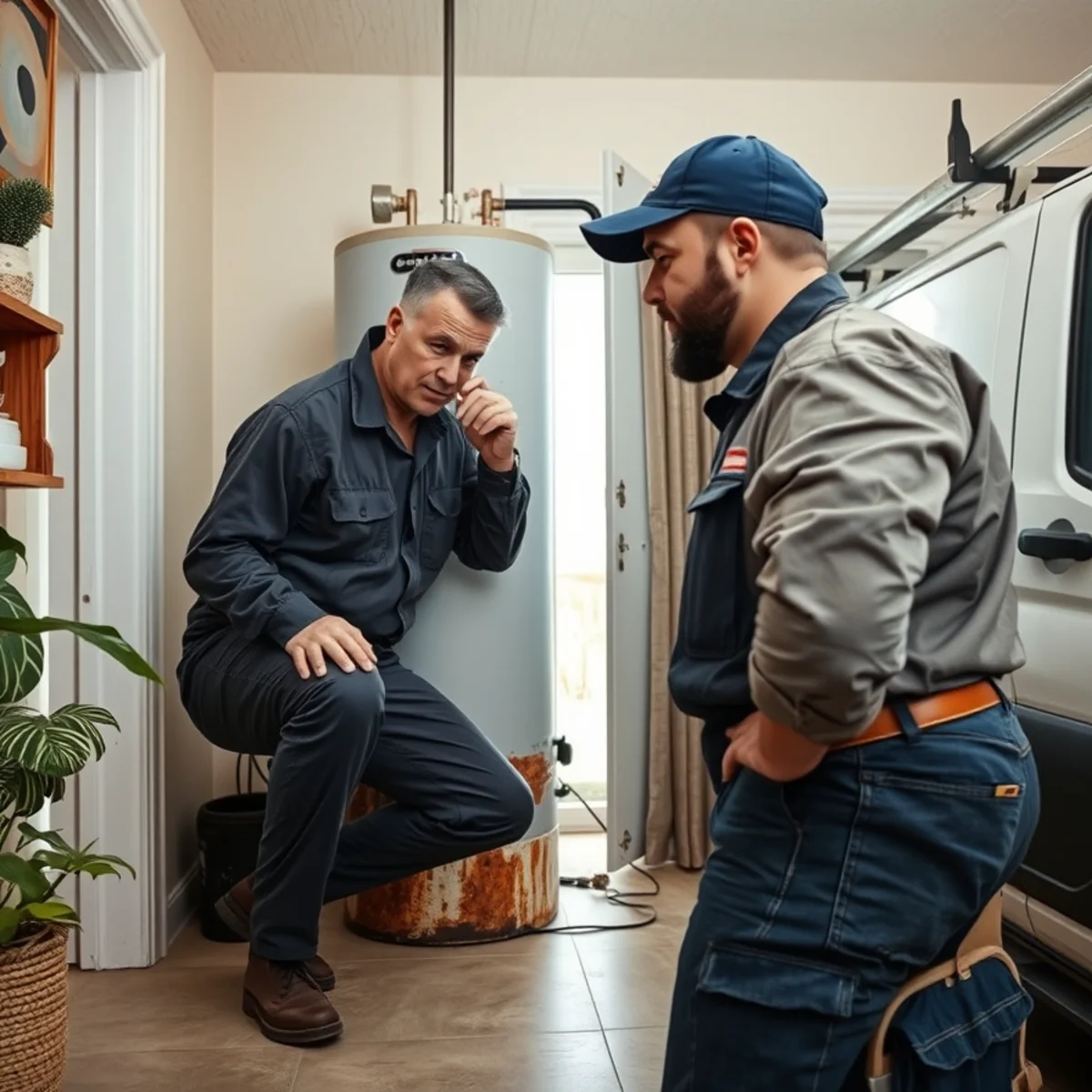
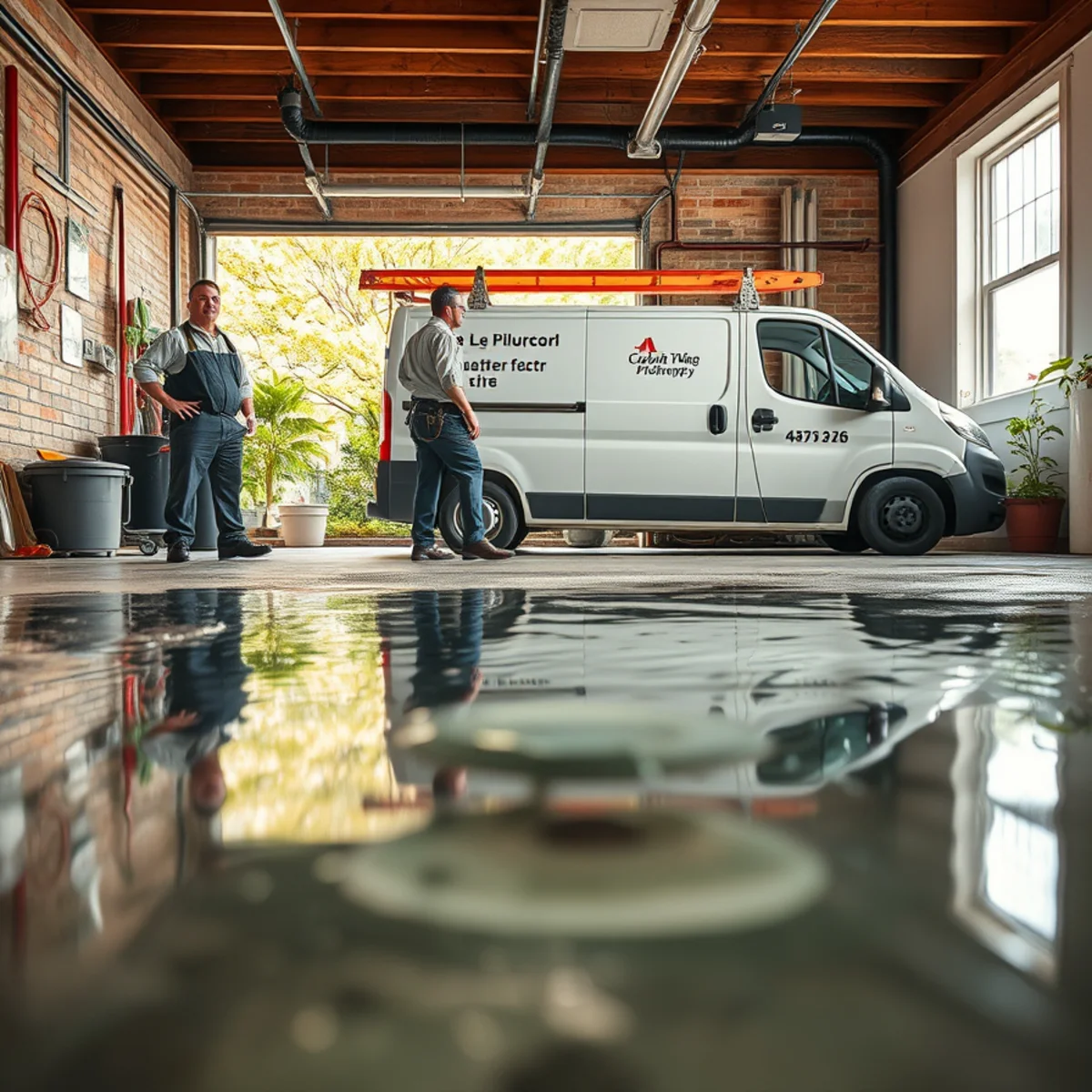
- Any water pooling at the base of the tank.
- A pilot or electric element that won't reliably hold.
- Any smell of gas, at any point in this process.
What's Actually Failing Inside the Tank
"No hot water" has a handful of usual mechanical causes, and knowing which one you're dealing with tells you whether it's a same-visit fix or a bigger conversation.
- Thermocouple (gas): the safety sensor that keeps gas flowing to the pilot. It's the most common reason a pilot won't hold, inexpensive to replace, and a job for a plumber rather than a DIY fix given its role in the gas safety system.
- Heating element (electric): one of two elements can fail while the other keeps working, which is why you might get lukewarm water instead of none at all. Replacing one means draining the tank and cutting power at the breaker first.
- Thermostat: controls when the element or burner fires. A stuck thermostat can starve you of hot water, or, less obviously, let the tank quietly overheat.
- Dip tube: directs incoming cold water to the bottom of the tank. A broken dip tube lets cold water mix in near the top, so you get a burst of lukewarm water that cools fast, often mistaken for a heating problem when it's actually a cheap part.
- Sediment layer: hard water minerals settle at the bottom of the tank over years and insulate the burner or lower element from the water above it, so an older tank works harder for less hot water even before anything technically fails.
Mistakes That Turn a Morning Inconvenience Into a Bigger Repair
- Resetting a tripped high-limit switch or breaker more than once. It's a safety device, not a glitch — repeated tripping means something downstream is actually overheating or short-circuiting.
- Relighting a pilot over and over across multiple days instead of stopping after two clean attempts. A thermocouple on its way out rarely fixes itself between relights.
- Ignoring popping or rumbling sounds because the water still eventually gets hot. That sound is sediment trapping heat against the tank wall, and it's often the last warning before a leak or a cracked tank.
- Letting a tank leak "a little" at the base for weeks because there's still some hot water. A leaking tank is a failed tank; it doesn't reseal itself, and it's actively soaking whatever it's sitting on or near.
- Paying for a repair on a tank already past year ten without asking the honest odds that something else fails within the year. Sometimes a small part is the right call — sometimes it's throwing good money after a tank on its way out.
How Old Is Your Tank? It Changes the Math
Water heaters last roughly 10 to 12 years, and Houston's moderately hard water accelerates sediment buildup inside the tank, which shortens that life further. If your unit is past year eight or nine and this isn't its first hiccup, a repair might buy you a season, but replacement — typically $1,200–$2,500 installed depending on the unit — is often the more honest long-term answer. We'll always tell you which situation you're in before recommending one over the other.
If it's a repair, our water heater repair team carries the parts above on the truck. If it's a replacement, that's also a natural point to ask whether a tankless water heater fits your household — no storage tank means no sediment layer to build up, though the upfront cost runs higher than a like-for-like tank swap.
Frequently Asked Questions
Why does my hot water run out so fast in winter?
Is it safe to relight a gas water heater pilot myself?
My water heater is leaking at the bottom — is that an emergency?
How do I know if it's a frozen pipe and not the water heater itself?
Is it worth switching to a tankless water heater when mine fails?
Written by the Plumber Bellaire TX team
Licensed Texas master plumbers based on Newcastle Street in Bellaire. We’ve spent years working the slab leaks, repipes, and sewer lines this article covers — right here in the City of Homes.
(614) 830-0578