Signs of a Gas Leak in Your Bellaire Home & What to Do
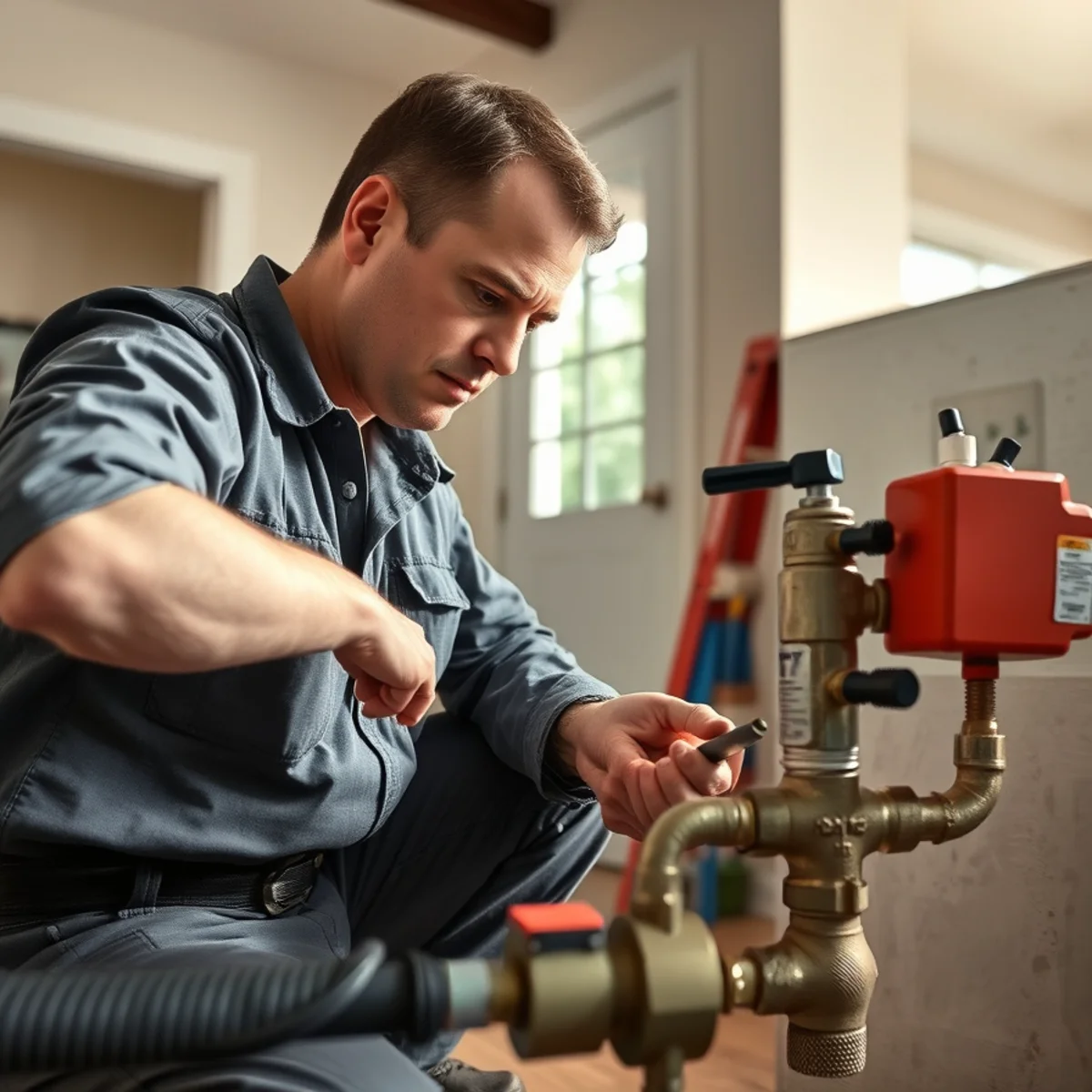
If you smell gas right now, stop reading. Leave the house on foot, take everyone with you, and call 911 from outside, away from the building. Do not flip a switch, use a phone inside, or look for the source. Everything below can wait until you are safely outside.
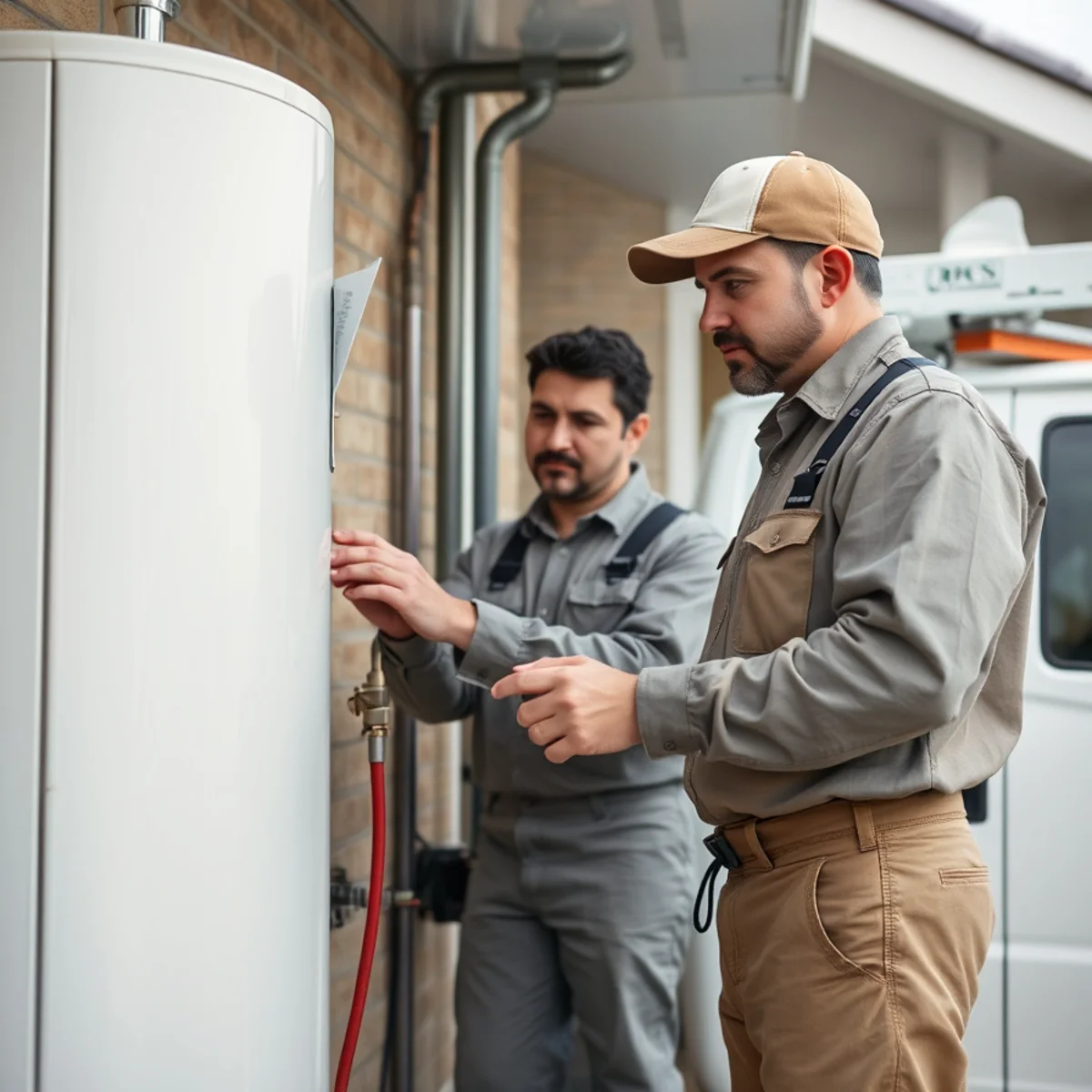
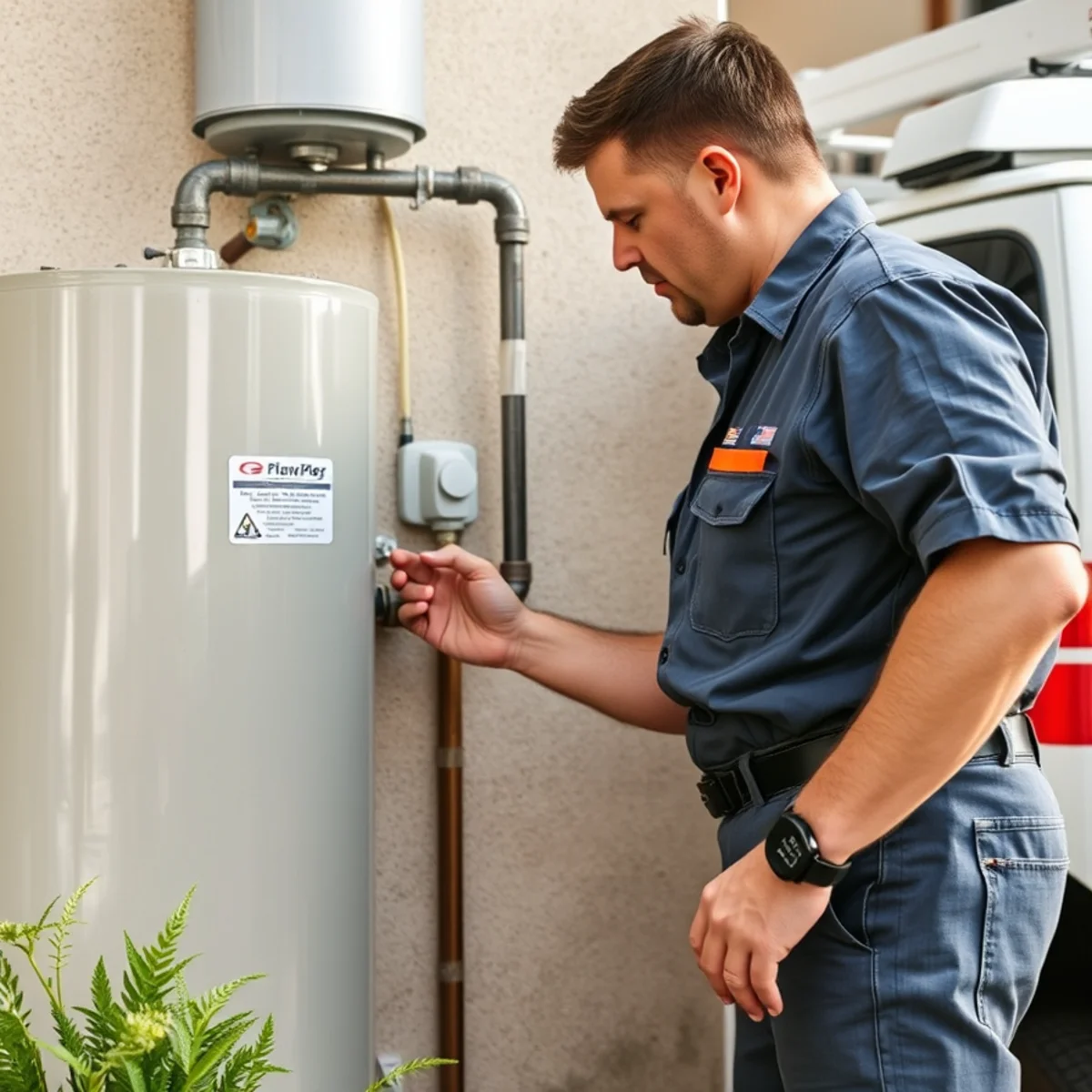
If something seems off but you are not sure, this guide covers the signs of a gas leak in a Bellaire home and what each one looks, sounds, or smells like, the steps to take in order, what happens after the gas utility arrives, and when a licensed plumber needs to be involved. Older homes here have their own weak points in the gas system, and it is worth knowing them before a smell ever shows up.
If You Smell Gas: Do This, in This Order
This is the order that gas utilities and fire departments recommend, and it applies whether the smell is in the kitchen, in the yard, or near your water heater:
- 1Touch nothing electrical. No light switches, thermostat, garage door opener, doorbell, lighter, or match, and do not unplug anything. A spark from any of them can ignite gas that has collected in a room.
- 2Get everyone out on foot. Take children and pets if you can do it without delay. Do not stop to open windows, grab belongings, or hunt for the source, and do not start a car in an attached garage.
- 3Move well away from the house, down the street if you can, and stay clear of anything that could spark.
- 4Call 911 from outside. Give the address, say you smell gas, and tell the dispatcher if anyone feels sick. Then call CenterPoint Energy, the gas utility serving Bellaire, at 713-659-2111 or 888-876-5786. The number is also on your gas bill, and the utility responds to leak reports around the clock.
- 5Stay out until you are cleared. Do not go back in for a phone, a wallet, or a pet. The fire department or the utility decides when it is safe.
- 6Leave the meter and every valve alone unless the dispatcher or the utility tells you to close one.
Expert tip: A smell that seems to fade is not a leak that stopped. Gas spreads into a larger space, and your nose adjusts to a constant odor within minutes. Treat every gas smell as active until the utility says otherwise.
Signs of a Gas Leak Inside the House
Natural gas has no smell of its own. Utilities add an odorant called mercaptan so a leak announces itself. These are the signs to take seriously:
- A rotten-egg or sulfur smell. The most reliable sign. Do not explain it away as a drain or sewer odor. If you are not sure which it is, treat it as gas.
- A hissing, whistling, or blowing sound near a gas pipe, connector, regulator, or appliance.
- A gas bill that climbs with no change in how you use gas. Same thermostat, same appliances, similar weather, higher bill. A small leak may not move the bill much, so this is a clue and not a test.
- Physical symptoms that ease when you go outside: headache, dizziness, nausea, fatigue, or trouble breathing, especially if several people in the house feel them at once. A large leak in a closed space can displace oxygen, and the same symptoms are warning signs of carbon monoxide.
- Yellow or orange appliance flames, or soot around a burner or vent. A healthy gas flame burns steady and blue. Yellow flames point to a combustion problem and possible carbon monoxide, which is a different hazard from a leak and just as urgent.
Signs of a Gas Leak Outside: the Meter, the Yard, and Buried Lines
Gas lines run through the yard to the house, and sometimes on to a pool heater, a generator, or an outdoor kitchen. Soil can strip the odorant out of gas as it travels, so a leak from a buried line may have little or no smell by the time it reaches the surface. Look and listen as well as sniff:
- A rotten-egg smell near the meter, the regulator, or the line. Wind thins an outdoor odor quickly, so even a faint trace counts.
- A dead or discolored patch of grass or plants in a yard that is otherwise green. Brown lawn has plenty of causes in a Houston summer, so look for a patch that does not match the sprinklers, the shade, or the drought, especially along the path from the meter to the house.
- Bubbles in standing water or wet soil near the meter or along the line, with no other explanation.
- A hissing or roaring sound from the meter, the regulator, or the ground.
- Blowing dirt or a small crater where the soil looks disturbed.
- Damage to a line or meter after digging, a fence post, a patio or pool project, or a storm.
Expert tip: Any of these outdoors means moving away and making the same two calls as for an indoor smell. And before any digging on the property, from a fence post to a new patio, call 811 a couple of business days ahead so buried utilities get marked.
Gas Smell, Sewer Smell, or Carbon Monoxide?
A rotten-egg smell is not always gas. A dry floor drain or P-trap, a failed toilet seal, or a venting problem can let sewer gas into a bathroom or laundry room, and the odor can be similar. The rule is simple: if there is any doubt, treat it as gas, leave, and let the utility rule it out. A sewer odor can wait for a daytime visit. Guessing wrong about gas cannot.
Carbon monoxide is a separate problem. It has no odor, it comes from incomplete combustion in a furnace, water heater, or range, and a CO alarm is what detects it. A standard CO alarm will not detect a raw gas leak, and a natural gas detector will not detect carbon monoxide unless it is a combination model that says it does both. A home with gas appliances is better protected with both.
What Happens After You Call
The fire department or the gas utility will check the air and the meter, work out where the gas is escaping if they can, and shut the supply off at the meter if needed. Expect the gas to stay off, often with a tag on the meter, until the problem is repaired. If the leak is in the utility's own line or meter, the utility fixes it. If it is in the piping on your side of the meter, it is the house's plumbing, and the repair is yours to arrange with a licensed plumber.
Your side of the meter generally begins at the meter outlet: the pipe through the yard or along the wall, the lines inside the house, the shutoff valves, and the connector to every appliance. Utilities usually will not restore service to a house with a known leak until a licensed plumber has repaired it and tested the piping, and in some cases a city inspection comes first.
With the gas off, the water heater, furnace, and range are all offline until service returns. Do not relight a pilot or restart an appliance until the repair is done and the gas is back on. If the outage drags on, our no hot water emergency steps cover what to check once service is restored.
When You Need a Licensed Plumber
Gas piping is not a do-it-yourself repair. Tightening a fitting with a wrench and checking it with soapy water is not a repair, because it does not show that the whole system holds pressure. Once the house is cleared, a licensed plumber handles the work below. Our gas line services cover all of it, and for a leak that cannot wait until morning our emergency plumber line is staffed around the clock. Call after 911 and the utility have cleared the house, never before.
- Leaking or corroded house piping: seeping threaded joints, corroded sections, damaged lines, and failed fittings, repaired or replaced and then re-tested.
- Appliance connections: worn or kinked flexible connectors on a range, dryer, water heater, or furnace, failing shutoff valves, and the new connection when an appliance is replaced. A new appliance should get a new connector, not the old one reused.
- Leak detection and pressure testing: sweeping the system with a combustible gas detector, then testing the piping under pressure to see whether it holds. A pressure test is how a system is shown to be tight. A sniff test is not.
- Buried yard lines: the run from the meter to the house, or on to a pool heater, generator, or outdoor kitchen, located, tested, and repaired or replaced.
What a Gas Line Visit Looks Like
Every gas call follows the same sequence, because skipping a step is how a leak gets missed:
- 1Confirm the house is clear and the gas is off at the meter or the appliance.
- 2Walk the system from the meter to every appliance, looking at connectors, valves, fittings, and corrosion.
- 3Sweep the piping with a combustible gas detector, then confirm suspect joints with a leak-detection solution.
- 4Isolate the system and pressure test it. A drop in pressure means a leak somewhere in the run, including places nobody can see.
- 5Repair or replace the failed part, whether that is a fitting, a section of pipe, a connector, or a valve.
- 6Re-test, document the result, and finish the permit and inspection steps through the City of Bellaire where required, so the utility can restore service.
Why Older Bellaire Homes Have Their Own Gas Weak Points
Most Bellaire houses built from the 1940s through the 1970s were piped for gas in threaded black iron. It is sturdy and still sound in many homes, but it is rigid, it corrodes where it stays damp, and every threaded joint is a place a slow seep can start. These are the spots we look at first in an older house:
- Old flexible connectors behind a range or dryer that have been bent, pushed back, and pulled out for cleaning for decades.
- Corroded pipe at damp spots, such as where black iron enters a slab or wall, runs through a crawlspace in a pier-and-beam home, or sits behind a water heater that has leaked at some point.
- Capped stubs from appliances long gone: old dryer, wall heater, or gas-light lines capped years ago, sometimes with a cap that was never tested.
- Remodel tie-ins: black iron spliced to copper or flexible CSST tubing, where every transition needs the right fitting and CSST also has to be bonded to code.
- Soil movement: Bellaire's expansive clay swells and shrinks with the weather, and over decades that movement can flex rigid pipe where it passes through a slab, a foundation wall, or a footing.
- Flood history: gas controls and valves that sat in floodwater need to be inspected or replaced, not just dried out, and that includes homes that took water in Harvey.
Renovations and New Appliances Add Connections
In renovated pockets like Southdale, rebuilds and remodels add pro-style ranges, tankless water heaters, generators, and outdoor kitchens to a gas system, and each addition brings more connections and more load. The question there is less about corrosion than about how many tie-ins the system now has, and whether anyone pressure tested it after the last one. If your house has been added onto, or you are not sure what is behind the walls, a gas check is a short visit with a clear answer.
Expert tip: Ask for a pressure test after any remodel, appliance addition, or flood that may have touched the gas system, and keep the permit paperwork. It is the record a buyer's inspector or an insurance adjuster will ask for later.
Keeping a Small Problem From Becoming a Big One
Most gas problems announce themselves early if someone is looking. A few habits make that likely:
- Know where your gas meter and each appliance shutoff valve are, so you can point a crew straight to them.
- Have flexible connectors and visible fittings checked whenever a water heater, range, or furnace is serviced. It fits naturally into the yearly visit in our annual plumbing maintenance checklist.
- Install a natural gas detector and a CO alarm, follow the maker's placement instructions (natural gas is lighter than air, so gas detectors are usually mounted high), and test them on the same schedule as your smoke alarms.
Frequently Asked Questions
What does a gas leak smell like?
Should I call 911, the gas company, or a plumber first?
Can a gas leak happen without a smell?
Should I turn off the gas at the meter myself?
How long until the gas is back on after a leak?
Do I need a permit to repair a gas line in Bellaire?
Written by the Plumber Bellaire TX team
Licensed Texas master plumbers based on Newcastle Street in Bellaire. We’ve spent years working the slab leaks, repipes, and sewer lines this article covers — right here in the City of Homes.
(614) 830-0578